Typical Culver City costs, permit steps and timelines are below. When you are ready, describe your project and up to four local ADU builders serving Culver City will contact you. You compare and decide.
Site assessment and property line survey to determine setbacks and utility connection points.
Soil testing and structural engineering tailored to clay or high-water-table alluvial soils.
Architectural design and drafting in compliance with Culver City ADU ordinances.
Permit submission and plan-check clearance through the City of Culver City Building Safety Division.
Site preparation, foundation excavation, and specialized drainage installation.
Framing, utility integration, interior finishing, and final municipal inspections.
Converting an existing garage is often the most cost-effective route, though upgrading older foundations to meet modern seismic and clay-soil requirements can add to the baseline.
New footprint construction requires full trenching and foundation pouring, highly dependent on soil stability and utility line trenching distances from the main house.
Culver City sewer and electrical hookups can vary in cost based on the distance between the primary residence, the alleyway, and the new ADU footprint.
Typical market ranges for the Greater Los Angeles area, not a quote or a guarantee. The price of your job depends on its scope, so ask each pro for a written estimate before you decide. Bars share one scale, so you can compare project sizes.
For sourced citywide figures on kitchens, baths, additions and ADUs, see our Los Angeles home remodeling cost guide.
An ADU in Culver City is one of the most searched home projects on the Westside, and for good reason: lots are mostly flat, many homes have detached garages, and rental demand near downtown Culver City and the studios is strong. ADU builders in Culver City handle garage conversions, detached backyard units and junior ADUs. Culver City reviews the plans itself, and sites near Ballona Creek can need extra attention to drainage and foundations.
Because Culver City sits on a flat Westside basin with alluvial and clay soils, proper foundation engineering is critical—especially near Ballona Creek where the water table is high.
Contractors must account for these soil conditions during excavation to prevent future settling and moisture intrusion. Additionally, matching the mild, coastal-influenced climate demands energy-efficient insulation and materials that resist marine air degradation over time.
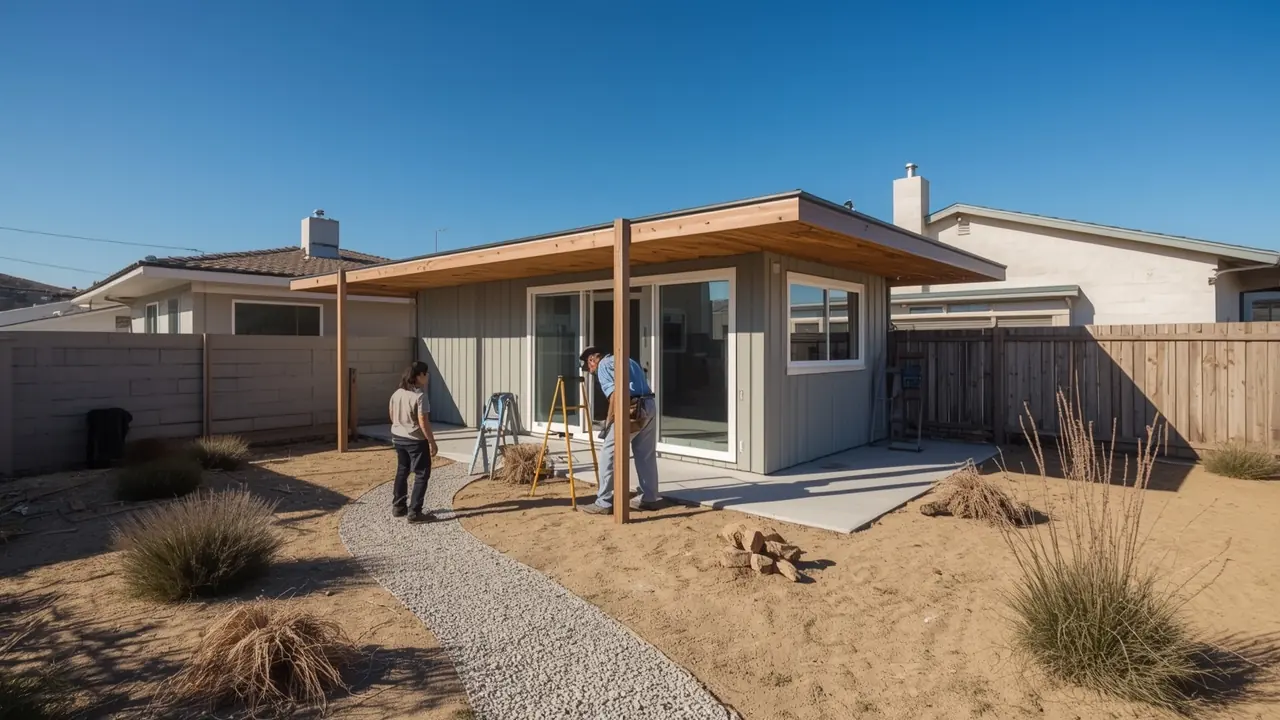
ContractorPro.Leads doesn't do the work itself. We pass your Culver City project to up to four local ADU builders who take this kind of job, and you decide whether to hire any of them.
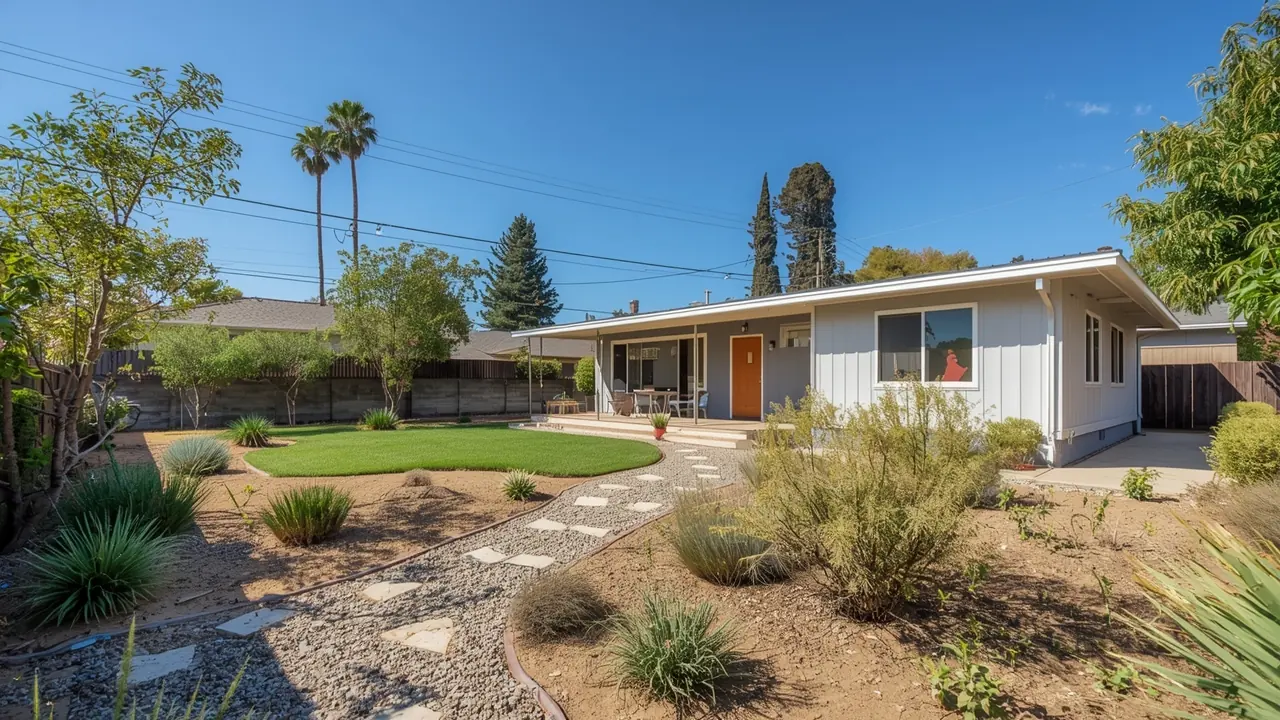
From the historic bungalow streets near Culver Studios to the vibrant residential pockets walking distance from Downtown Culver City, backyards here are highly valuable. Many homeowners along the Ballona Creek corridor are transforming underutilized garage spaces or lawns into highly functional modern living spaces. Creating an ADU in these neighborhoods requires a careful balance of maximizing limited outdoor space while preserving the classic Southern California indoor-outdoor lifestyle.
All home services in Culver City
Planning a larger project? Culver City homeowners also read our nearby guides to general contractors in Playa Vista, room additions in Playa Vista and home renovation contractors in Westchester, which cover permits, typical costs and timelines.
More planning guides for Culver City and nearby: ADUs in Santa Monica, ADUs in Palms and electricians in Culver City.
Tell us what you have in mind. We'll pass it to up to four local pros, and they'll contact you to talk it through.
It depends mostly on the type. A garage conversion is the least expensive route, a new detached unit costs the most, and hillside lots add foundation and grading work. As published reference points, the 2025 Cost vs. Value Report models a Los Angeles ADU at $178,536, and UC Berkeley's 2021 statewide survey of ADU owners found a median cost of $150,000. The table on this page shows typical local ranges; ask builders for a line-item estimate.
Under state law, as summarized in HCD's March 2026 ADU Handbook, the city must approve or deny a complete ADU application within 60 days. Design and engineering usually take one to three months before that, and construction of a detached unit commonly takes several months more. Sites near Ballona Creek can need extra drainage or foundation design.
Yes for impact fees: state law exempts ADUs of 750 square feet or less of interior living space from impact fees charged by local agencies, special districts and water corporations. Building permit and plan check fees from Culver City Building Safety still apply.
Yes, under state and local laws, detached ADUs generally require a minimum of 4-foot rear and side yard setbacks, though conversions of existing legal structures may have different allowances.
While rebates do not directly fund ADU construction, you can offset landscaping costs by applying for SoCal and Metropolitan Water District turf-removal and smart irrigation rebates for the surrounding yard.
If your property is close to Ballona Creek or has expansive clay soil, your structural engineer may require deeper footings, moisture barriers, or vapor retarders to protect the concrete slab from water intrusion.
We recommend checking the contractor's active license status at cslb.ca.gov, verifying they hold a Class B General Building license, and requesting certified copies of their liability and workers' compensation insurance policies.
