Typical Venice costs, permit steps and timelines are below. When you are ready, describe your project and up to four local patio cover builders serving Venice will contact you. You compare and decide.
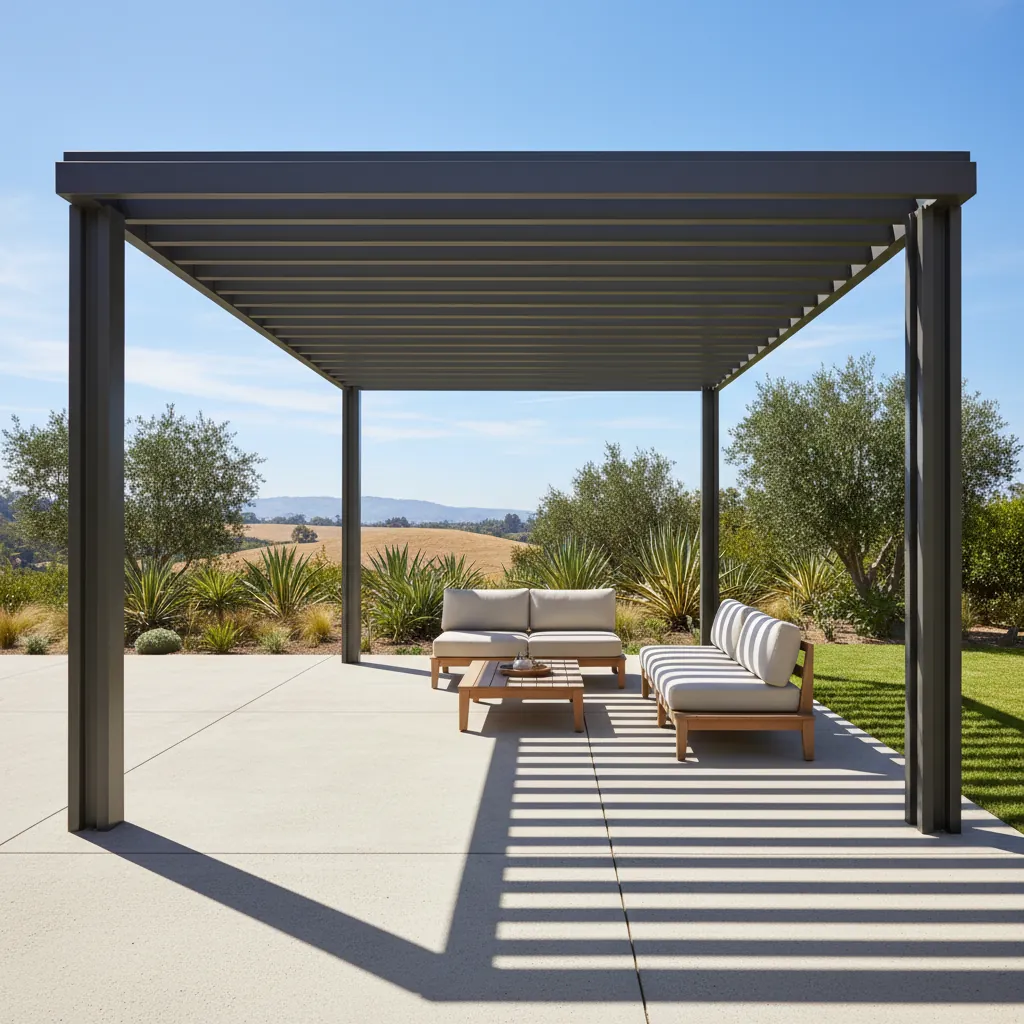
In Venice, outdoor living is a central part of daily life, whether you are hosting weekend gatherings or relaxing after a walk along the canals. Protecting your patio from both the intense afternoon sun and the damp, salty morning fog requires a carefully planned structure.
Building a lasting patio cover in Venice presents distinct engineering challenges due to our sandy coastal soil and remarkably high, shallow water table near the beach and canals.
Footings must be dug deeper and engineered specifically to prevent settling in shifting sand, while the relentless salt air and dense marine layer will quickly corrode standard hardware and warp cheap timber. Local contractors design structures with marine-grade stainless steel fasteners and durable, salt-resistant materials like vinyl, aluminum, or treated premium redwood.
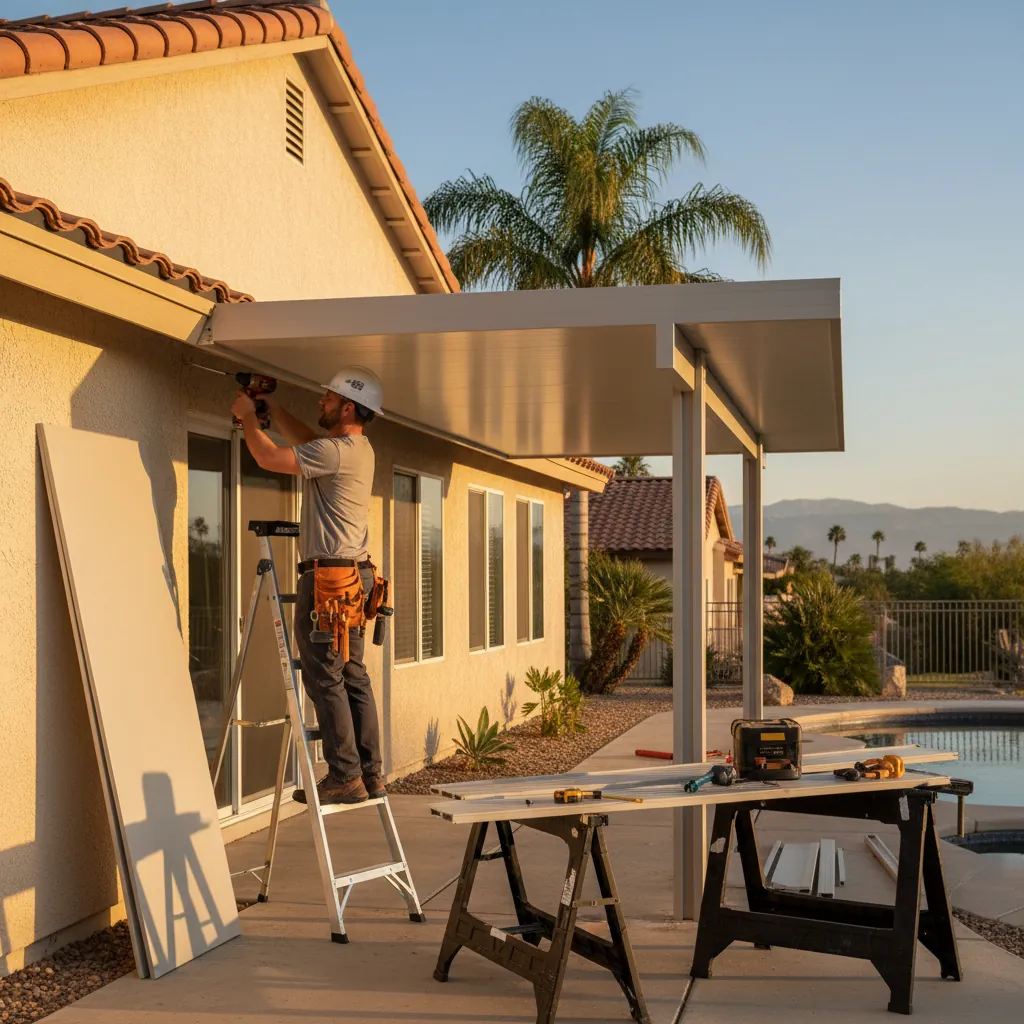
A highly popular choice in Venice because it mimics wood but resists salt-air corrosion, rot, and termite damage without requiring constant painting.
Provides a classic coastal look. Redwood is naturally rot-resistant but requires high-quality marine-grade sealants to withstand the damp marine layer.
Allows homeowners to adapt to Venice's changing microclimate, closing for fog protection or opening for sunshine at the touch of a button.
Typical market ranges for the Greater Los Angeles area, not a quote or a guarantee. The price of your job depends on its scope, so ask each pro for a written estimate before you decide. Bars share one scale, so you can compare project sizes.
Initial site assessment, including soil evaluation and proximity to the high water table.
Custom design drafting to match home architecture and local zoning restrictions.
LADBS permit acquisition and Coastal Commission clearance if within the dual permit jurisdiction.
Excavation and pouring of deep, engineered concrete footings designed for sandy soils.
Framing and structural assembly using corrosion-resistant fasteners.
Final detailing, painting or sealing, and clean-up of the outdoor space.
ContractorPro.Leads doesn't do the work itself. We pass your Venice project to up to four local patio cover builders who take this kind of job, and you decide whether to hire any of them.
From the historic, narrow lots along the Venice Canals to the modern, architectural homes just steps from Abbot Kinney Blvd, outdoor space is at a premium here. Whether you are seeking a minimalist aluminum pergola that matches a contemporary home near the Venice Beach Boardwalk or a classic wood arbor for a craftsman bungalow, local builders understand how to maximize small footprints while honoring Venice's eclectic aesthetic.
Tell us what you have in mind. We'll pass it to up to four local pros, and they'll contact you to talk it through.
Yes, most permanent patio covers require a permit from the Los Angeles Dept. of Building and Safety (LADBS). Because Venice lies within the Coastal Zone, projects may also require a coastal development permit or exemption, which local pros can navigate for you.
The marine climate accelerates rust and rot. Untreated wood and cheap metals degrade rapidly. Local contractors strongly recommend powder-coated aluminum, vinyl, or heavily treated hardwoods paired with marine-grade stainless steel hardware.
LADBS plan check and coastal clearance can take anywhere from 4 to 12 weeks depending on your proximity to the canals or beach. Once permits are approved, the actual construction typically takes just 3 to 7 days.
While there are no direct rebates for the patio cover itself, integrating rainwater harvesting systems (like rain barrels) into your gutter system or installing drought-tolerant landscaping beneath the cover can qualify you for LADWP water-conservation rebates.
Sandy soil has lower load-bearing capacity and a high water table near the canals. Contractors must dig deeper, wider concrete footings (often using sonotubes) to ensure the structure remains stable and doesn't shift over time.
