Typical Westwood costs, permit steps and timelines are below. When you are ready, describe your project and up to four local patio cover builders serving Westwood will contact you. You compare and decide.
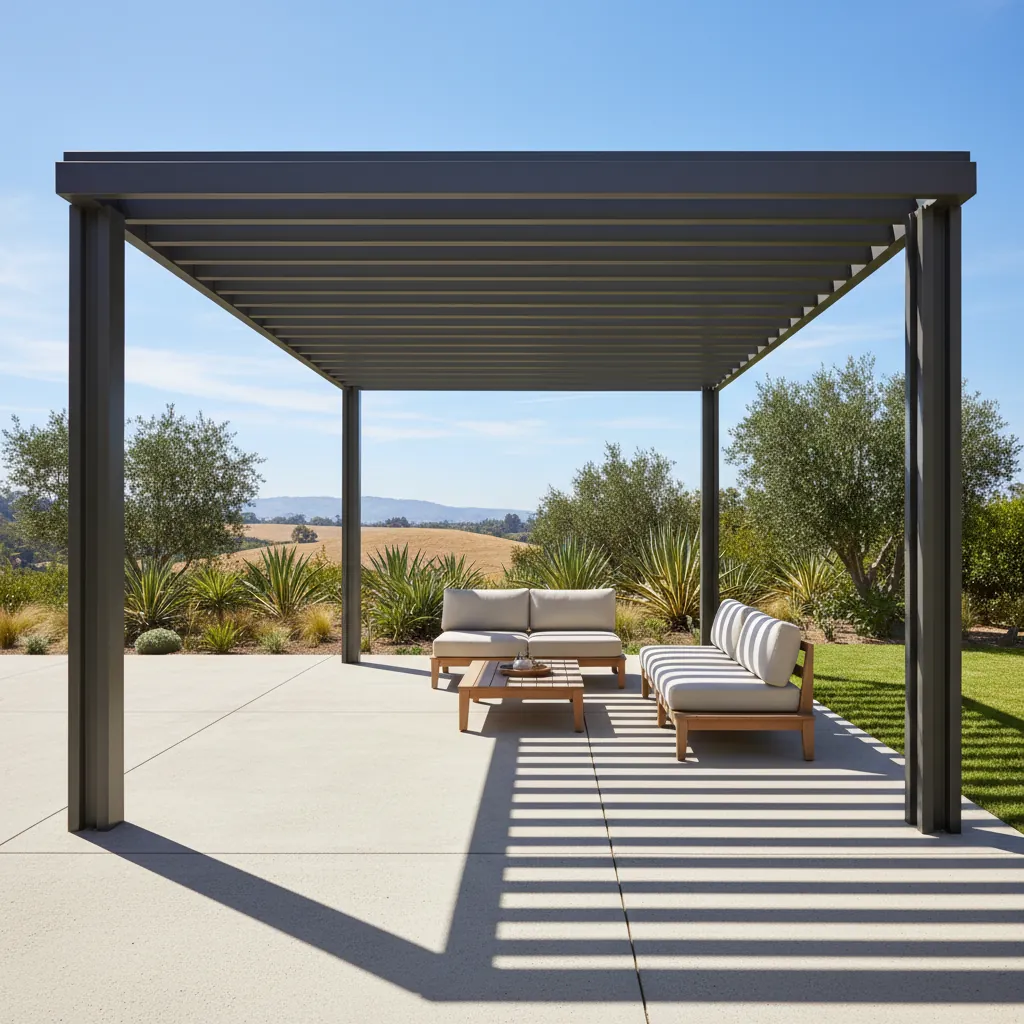
Tucked between the UCLA campus and the bustling high-rises of Wilshire Boulevard, residential Westwood features beautiful properties that transition from damp, marine-layer mornings to bright afternoon sun. Installing a high-quality patio cover allows you to enjoy outdoor dining and lounging comfortably throughout these daily microclimate shifts.
Building a lasting patio cover in Westwood requires addressing the alluvial and older terrace soils characteristic of the rolling terrain rising toward the Santa Monica Mountains.
Footings must be carefully engineered to prevent settling, especially with the Los Angeles Department of Building and Safety (LADBS) enforcing strict seismic standards for attached structures. Additionally, the marine-influenced air requires materials like powder-coated aluminum, treated redwood, or high-grade composite that resist moisture buildup and rot from the heavy morning dew.
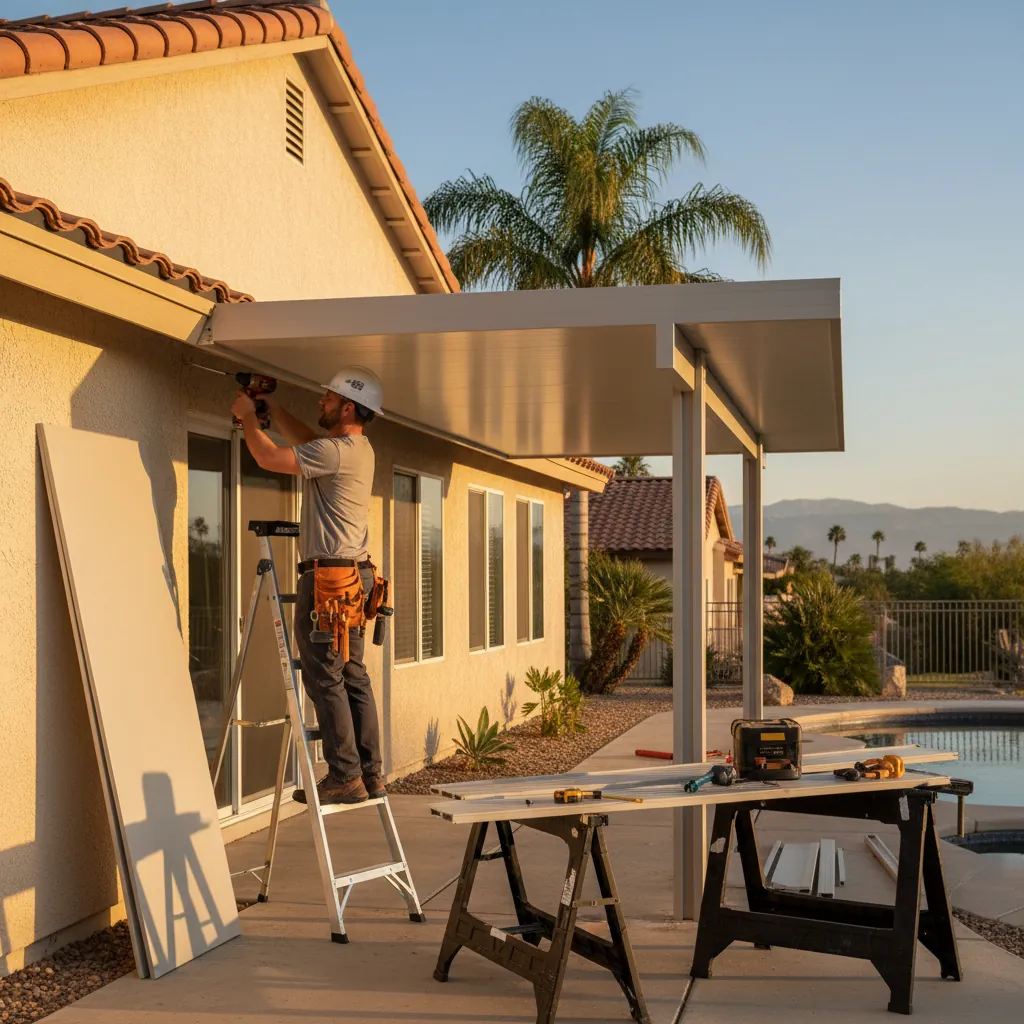
A cost-effective, low-maintenance option that resists Westwood's damp morning marine layer without rotting or requiring frequent painting.
Redwood offers a classic look that complements historic Westwood homes, though it requires high-quality sealing to protect against coastal moisture.
Requires comprehensive structural engineering and LADBS permits. Costs reflect Westside labor rates and complex architectural integration for high-end properties.
Typical market ranges for the Greater Los Angeles area, not a quote or a guarantee. The price of your job depends on its scope, so ask each pro for a written estimate before you decide. Bars share one scale, so you can compare project sizes.
Initial site assessment to analyze soil stability, sun angles, and property setbacks
Custom architectural drafting to match the home's style and structural load limits
Submission of engineering plans to the Los Angeles Dept. of Building and Safety (LADBS) for plan check
Clearance of any local HOA or Westwood neighborhood conservation zone requirements
Excavation and pouring of deep concrete footings compliant with Southern California seismic codes
Framing, roofing installation, and integration of electrical or drainage systems
ContractorPro.Leads doesn't do the work itself. We pass your Westwood project to up to four local patio cover builders who take this kind of job, and you decide whether to hire any of them.
Whether you live in a classic 1930s Spanish Colonial Revival near Westwood Village or a modern residence closer to the Wilshire Boulevard corridor, your outdoor space is a premium asset. Local contractors understand how to align a new patio cover with the aesthetic guidelines of Westwood's established streets, ensuring the structure complements your home's historic charm while providing modern sun protection.
Tell us what you have in mind. We'll pass it to up to four local pros, and they'll contact you to talk it through.
Yes, most attached patio covers and detached structures over 120 square feet require a permit from the Los Angeles Department of Building and Safety (LADBS). Local contractors will handle the plan check process to ensure compliance with seismic and wind load regulations.
For standard patio designs, the LADBS plan check and permit issuance can take anywhere from 2 to 6 weeks, depending on whether corrections are needed and if the property is in a specific historic or hillside overlay zone.
Westwood's alluvial and older terrace soils can be prone to shifting. To ensure structural integrity, local pros design deeper, reinforced concrete footings that anchor the patio cover firmly, preventing uneven settling over time.
While LADWP does not offer direct rebates for the patio cover itself, they do offer significant rebates for turf replacement and smart irrigation. Many homeowners pair a patio installation with a transition to drought-tolerant landscaping beneath the cover's drip line.
Aluminum alloy (like Alumawood) is highly recommended because it won't rust from the coastal fog and requires virtually no maintenance. However, high-grade treated redwood is also excellent for matching the traditional architecture of Westwood Village homes.
