Typical Palms costs, permit steps and timelines are below. When you are ready, describe your project and up to four local turf installers serving Palms will contact you. You compare and decide.
Covers premium-grade turf fiber, excavation of alluvial soil, base materials, weed barrier, and labor for typical flat Palms yards.
Varies depending on the depth of excavation needed to stabilize soft Westside soils and prevent shifting.
Highly recommended for compact Palms yards with pets to handle the damp marine layer mornings.
Typical market ranges for the Greater Los Angeles area, not a quote or a guarantee. The price of your job depends on its scope, so ask each pro for a written estimate before you decide.
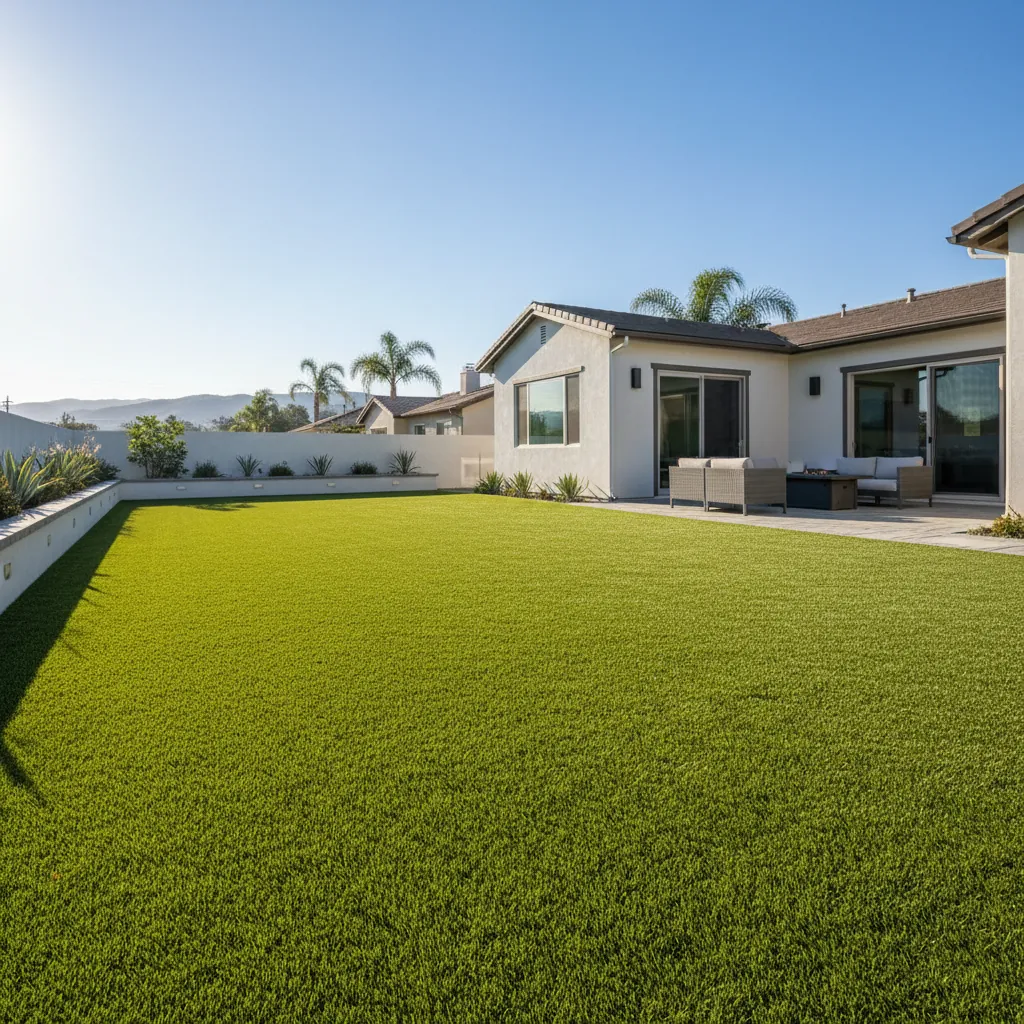
Homeowners along the quiet residential streets of Palms are transitioning away from high-maintenance natural lawns to water-wise alternatives. This dense Westside neighborhood, nestled close to Culver City, enjoys a temperate climate where premium synthetic grass can provide a pristine, year-round green space without the constant watering. We connect you with local synthetic turf specialists who understand the unique layout and design of Palms properties.
The flat Westside terrain in Palms features deep alluvial soils that can experience uneven shifting during heavy seasonal rains, potentially causing synthetic grass to buckle if the sub-base is poorly compacted.
Furthermore, the marine-influenced air means morning condensation can linger, requiring a highly porous base and proper infill selection to prevent mold and ensure rapid drainage. Installing turf here also requires strict adherence to the City of Los Angeles Dept. of Building and Safety (LADBS) setback guidelines and LADWP's specific landscape rebate mandates.
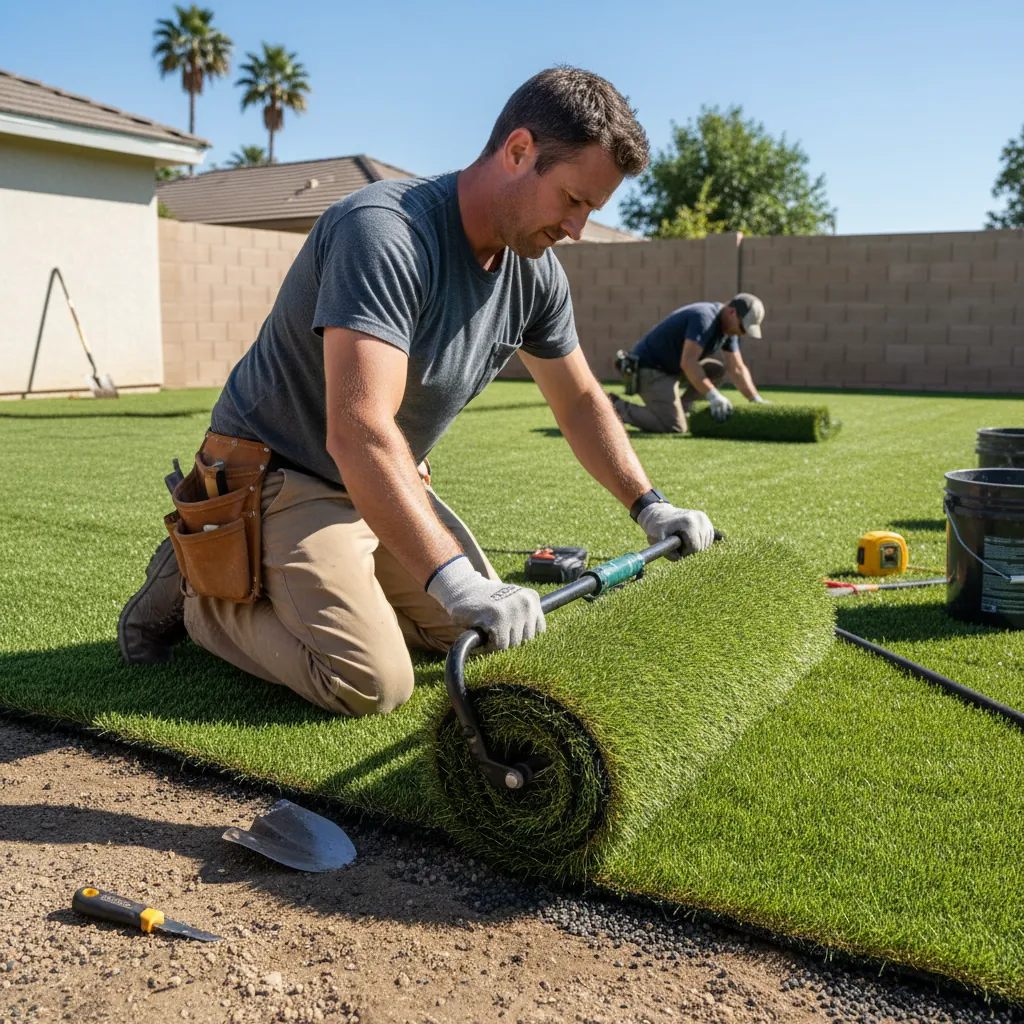
Pre-installation site assessment, including soil compaction testing and utility line mapping
Removal of existing sod and excavation of alluvial topsoil to a depth of 3 to 4 inches
Laying and compacting of a crushed stone sub-base to ensure stable, flat drainage
Installation of a heavy-duty geotextile weed barrier to prevent invasive local weeds
Precise laying, seaming, and securing of the synthetic turf with non-corrosive landscape nails
Application of non-toxic infill and final brushing to stand the turf fibers upright
ContractorPro.Leads doesn't do the work itself. We pass your Palms project to up to four local turf installers who take this kind of job, and you decide whether to hire any of them.
Whether you own a classic mid-century home near Motor Avenue, a modern townhouse off Palms Boulevard, or a bungalow closer to the National Boulevard corridor, managing a traditional lawn in the 90034 ZIP code has become increasingly impractical. The local climate, characterized by dry summers and strict LADWP watering restrictions, makes synthetic grass an attractive, low-stress alternative that blends seamlessly with the neighborhood's relaxed, coastal-adjacent aesthetic.
Tell us what you have in mind. We'll pass it to up to four local pros, and they'll contact you to talk it through.
For typical residential yards, the Los Angeles Dept. of Building and Safety (LADBS) does not require a building permit for synthetic turf, but the installation must comply with City of Los Angeles residential zoning ordinances, including retaining a percentage of permeable landscape surfaces.
Yes, the Los Angeles Department of Water and Power (LADWP) offers turf replacement rebates, but you must apply and receive written pre-approval before removing your natural grass or installing the synthetic turf.
The morning marine layer brings dampness. Professional installers use highly permeable backing and specialized infills like antimicrobial acrylic-coated sand to prevent moisture retention and mold, ensuring the turf dries quickly when the sun breaks through.
For a standard residential yard of 500 to 1,000 square feet, local crews usually complete the excavation, base preparation, and turf laying within 2 to 3 days.
Palms features soft, sandy alluvial soil that can shift over time. Local contractors must perform deeper excavation and thorough mechanical compaction of the crushed aggregate base to create a stable, non-shifting foundation for your synthetic grass.
