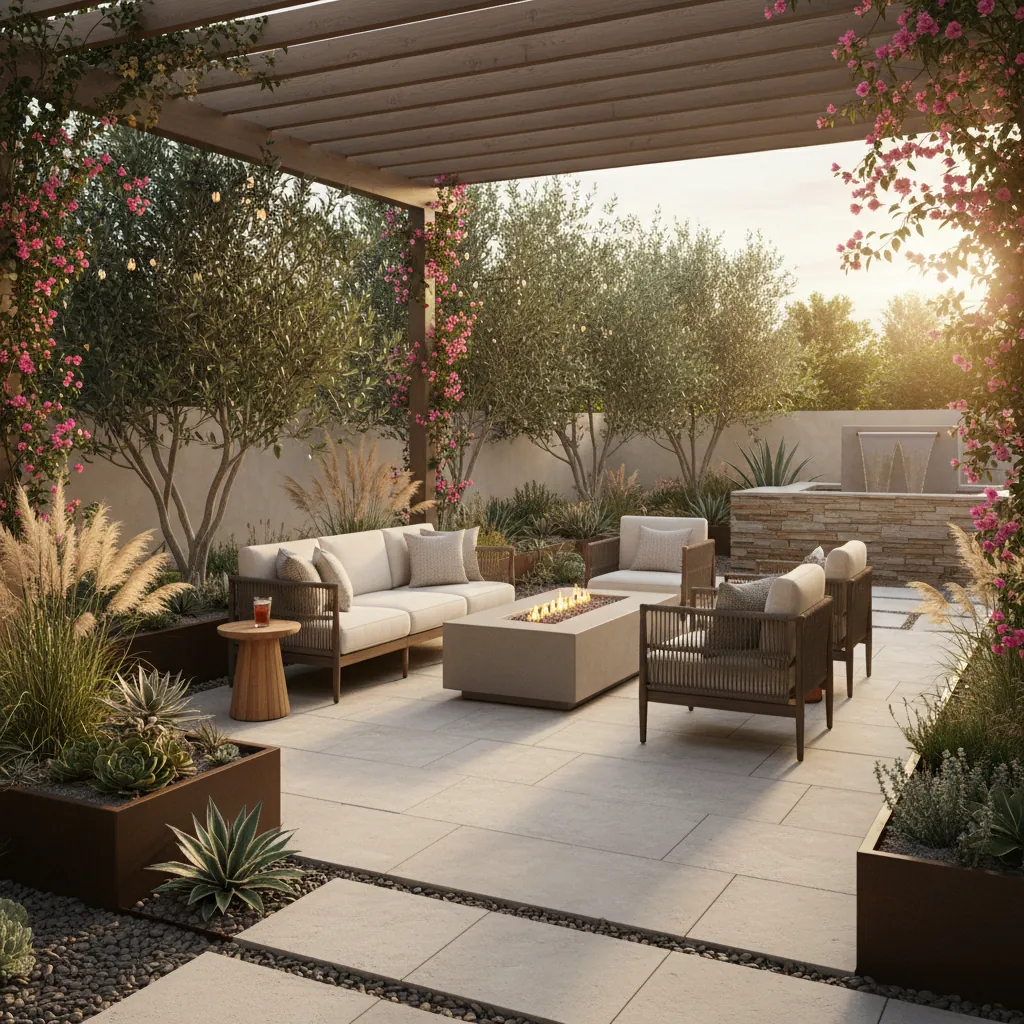
Local backyard remodel pros in 63 Los Angeles-area neighborhoods. Each request goes to up to four of them.
A backyard remodel ties several trades into one plan: grading and drainage, hardscape, planting, irrigation, lighting, and often a patio cover, outdoor kitchen or fire feature. In Greater Los Angeles, people usually want to turn a tired lawn and cracked slab into outdoor living space they can use most of the year. In Greater San Antonio, shade, drainage after storms and a place to cook outside top the list. We connect you with local companies that design and build complete yards.
Projects normally begin with a site visit and a design, either a sketch or a full plan with materials and a planting list. Demolition comes next, followed by rough grading, drainage lines, gas and electrical conduit, and footings for any structures. Hardscape such as pavers, concrete or stone goes in before irrigation and planting, and lighting and finish details come last. A modest refresh can wrap up within two to four weeks; a full build with an outdoor kitchen, a cover and new planting often runs six to twelve weeks once permits are in hand.
Every lot brings its own constraints. Valley backyards on expansive clay need drainage planned around the foundation, and many 1950s lots have old clay sewer lines crossing the yard. Hillside properties above Studio City or in the foothills may need retaining walls and engineered drainage, and homes in very high fire hazard zones face rules on defensible space, plant choices and materials near the house. Westside yards are often small, so equipment access is tight. San Antonio yards deal with caliche, flash flooding, live oaks whose roots need protection, and summer sun that makes shade the first priority.
Permits depend on the pieces. Gas lines, new circuits, patio covers, retaining walls above set heights and outdoor kitchens with plumbing commonly need them from LADBS, LA County, your own city or San Antonio DSD, while planting and most paving do not. Ask whether your design affects stormwater or setbacks. Fall and winter are good months to plan in Los Angeles so building starts in spring. In San Antonio, many homeowners plan over winter to enjoy the yard before the heat. Expect some disruption to access and street parking during demo and deliveries.
| Job | Typical range | What moves the price |
|---|---|---|
| Design and plan | $1,000 - $6,000 | A simple layout sketch costs less than full drawings with lighting, irrigation and planting plans. |
| Basic refresh: planting, irrigation, small patio | $15,000 - $40,000 | Yard size, demolition needs and how much existing hardscape can stay in place. |
| Full remodel with hardscape and lighting | $40,000 - $120,000 | Patio size, material choice, grading and drainage are the largest variables in the total. |
| Outdoor kitchen | $10,000 - $45,000 | Appliances, countertop material and running gas, water and power out to the island. |
| Fire pit or outdoor fireplace | $2,000 - $15,000 | Gas versus wood and a prefab kit versus custom masonry; fire zones may limit the options. |
| Low-voltage landscape lighting | $2,500 - $9,000 | Fixture count and quality, transformer size and trenching through finished planting areas. |
Typical market ranges, not a quote. Your price depends on the house, the scope and the season; compare written quotes.
Type your ZIP code and we take you to the backyard remodel page for your neighborhood. If we do not cover that ZIP yet, you go to the request form with it filled in.
We also match backyard remodel requests in 5 San Antonio neighborhoods.
Many backyard remodels in Los Angeles land somewhere around $30,000 to $100,000, with San Antonio projects often a bit lower for a similar scope. A planting and irrigation refresh can cost much less. Outdoor kitchens, covers, retaining walls and premium stone push totals up. A phased plan lets you build the shell first and add features later.
Planting, irrigation changes and most patios do not. Gas lines, new electrical circuits, patio covers, outdoor kitchens with plumbing and retaining walls above local height limits usually do. Your contractor should list which permits the design needs and who pulls them, whether through LADBS, your own city, LA County or San Antonio DSD.
Smaller projects often wrap up in two to four weeks. Full builds with structures and outdoor kitchens commonly take six to twelve weeks of work, plus design and permit time beforehand. Delays tend to come from permit review, special-order materials, weather and inspection scheduling, so leave some slack in the plan.
Usable shade, a well-built patio and practical lighting tend to matter most to how often you use the space. Low-water planting cuts upkeep and water bills in both metros. Very personal features such as elaborate water features add enjoyment but may not add as much resale value as they cost.
If you live in a very high fire hazard zone, such as parts of the foothills and hillside neighborhoods, rules may affect plants, mulch and structures close to the house. California has been developing stricter standards for the strip right next to homes. Ask your designer to check the current requirements before choosing materials.
Planting does best in fall in both Southern California and South Texas, when roots can settle in before summer heat. Hardscape can go in most of the year. Many homeowners design in late summer or fall, build through winter and spring, and have the finished yard ready for summer.
