Typical Silver Lake costs, permit steps and timelines are below. When you are ready, describe your project and up to four local backyard remodelers serving Silver Lake will contact you. You compare and decide.
Costs vary greatly depending on soil composition, slope steepness, and the necessity of engineered concrete caissons or CMU blocks approved by LADBS.
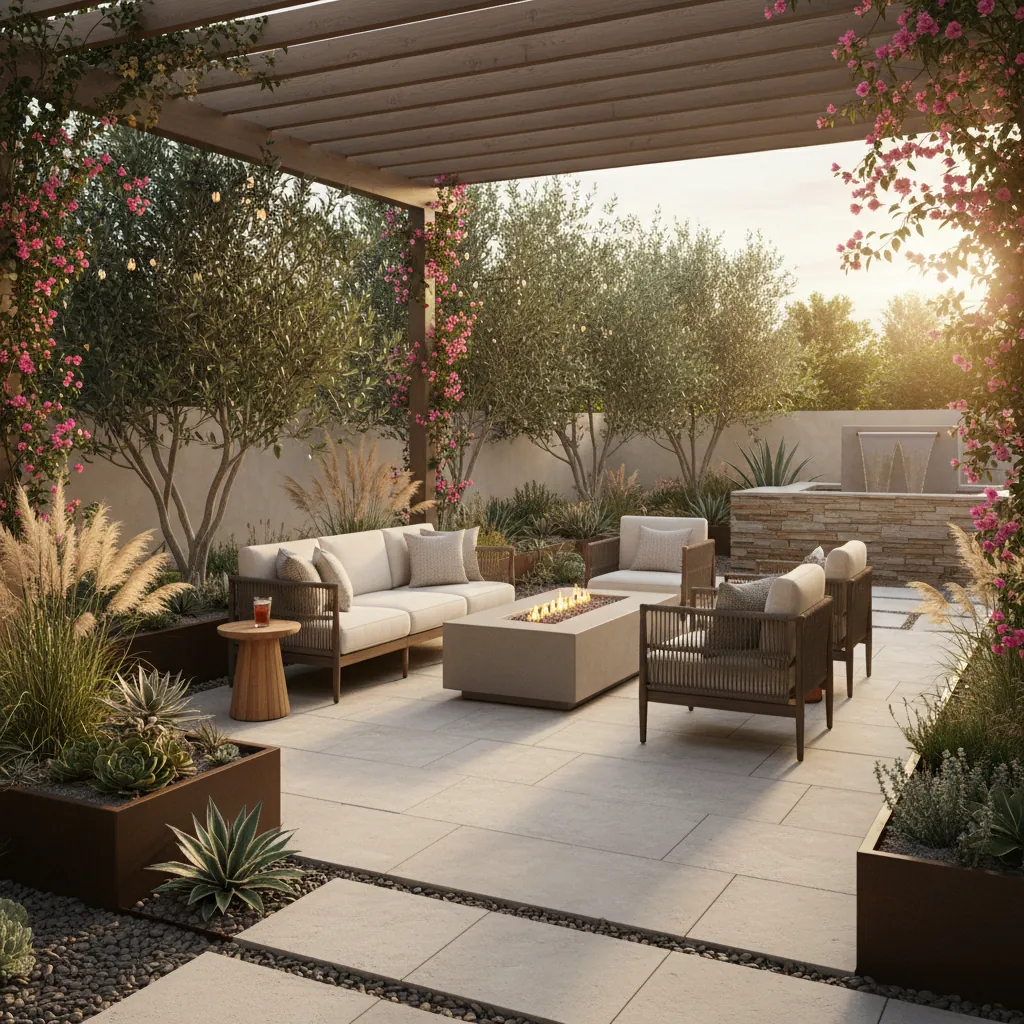
Incorporates permeable pavers, decomposed granite, and native California flora designed to conserve water and qualify for LADWP rebates.
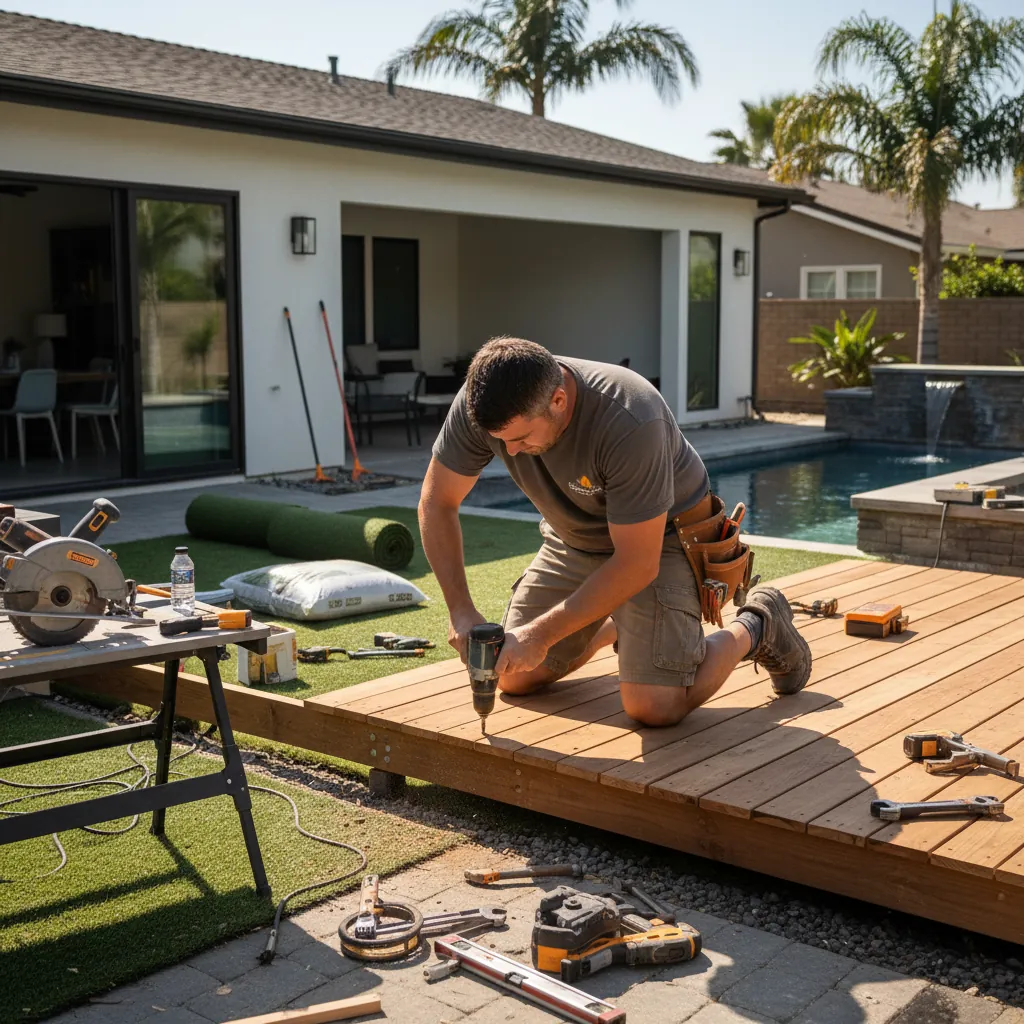
Building outward over a sloped Silver Lake yard expands usable square footage but requires engineered support posts and strict code compliance.
Typical market ranges for the Greater Los Angeles area, not a quote or a guarantee. The price of your job depends on its scope, so ask each pro for a written estimate before you decide. Bars share one scale, so you can compare project sizes.
Transforming a backyard in the hills of Silver Lake requires an appreciation for both mid-century architectural history and challenging terrain. Whether your property overlooks the Silver Lake Reservoir or sits tucked away on a steep residential avenue, maximizing your outdoor footprint demands smart planning. We connect you with local landscape professionals who specialize in converting sloped yards into functional, beautiful outdoor living spaces.
Building in Silver Lake means navigating steep hillside soils that frequently require engineered caissons, deep footings, and structural retaining walls.
Because of these unstable conditions, the Los Angeles Department of Building and Safety (LADBS) enforces strict grading and structural codes for tiered patios, decks, and outdoor kitchens. A successful project here hinges on managing runoff during winter rains and mitigating soil movement on winding, narrow streets where heavy equipment access is highly restricted.
Initial site assessment and topographic survey to map steep hillside contours
Geotechnical soil testing to determine foundation and retaining wall requirements
Drafting custom landscape architectural plans tailored to Silver Lake's micro-climate
Submitting structural designs and grading plans to LADBS for municipal permitting
Executing precision excavation and structural foundation pouring with specialized hillside equipment
Installing hardscape, native plantings, efficient drip irrigation, and low-voltage lighting
ContractorPro.Leads doesn't do the work itself. We pass your Silver Lake project to up to four local backyard remodelers who take this kind of job, and you decide whether to hire any of them.
From the iconic modernist homes near the Silver Lake Reservoir to the vibrant, bustling commercial corridors of Sunset Boulevard and Silver Lake Boulevard, this neighborhood thrives on creative design. Outdoor spaces here serve as natural extensions of the home, balancing privacy with breathtaking canyon views. Local contractors are highly experienced in navigating the tight, winding streets surrounding the hills to deliver materials safely and design yards that match the area's distinct bohemian-modernist aesthetic.
Tell us what you have in mind. We'll pass it to up to four local pros, and they'll contact you to talk it through.
Yes, most structural work in Silver Lake requires a permit from the Los Angeles Department of Building and Safety (LADBS). This includes retaining walls over four feet, decks over 30 inches off the ground, grading projects, and any structural patio covers due to the neighborhood's designated hillside status.
Simple, non-hillside projects might clear plan check in a few weeks, but complex hillside engineering for terraced yards or retaining walls in the 90026 ZIP code usually takes three to six months for full LADBS review and approval.
Absolutely. The Los Angeles Department of Water and Power (LADWP) offers substantial Turf Replacement Program rebates per square foot for replacing grass with drought-tolerant California native plants, permeable hardscapes, and efficient drip irrigation systems.
Limited access is a major cost driver here. Tight streets around the Reservoir prevent large dump trucks and heavy excavators from reaching many properties. Contractors must often use smaller, specialized equipment and manual labor, which extends timelines and increases overall labor costs.
California natives like agave, Cleveland sage, and wild lilac thrive in our dry, warm summers and mild winters. These species require minimal watering, survive under strict LADWP watering limits, and help stabilize hillside soil with their deep root systems.
