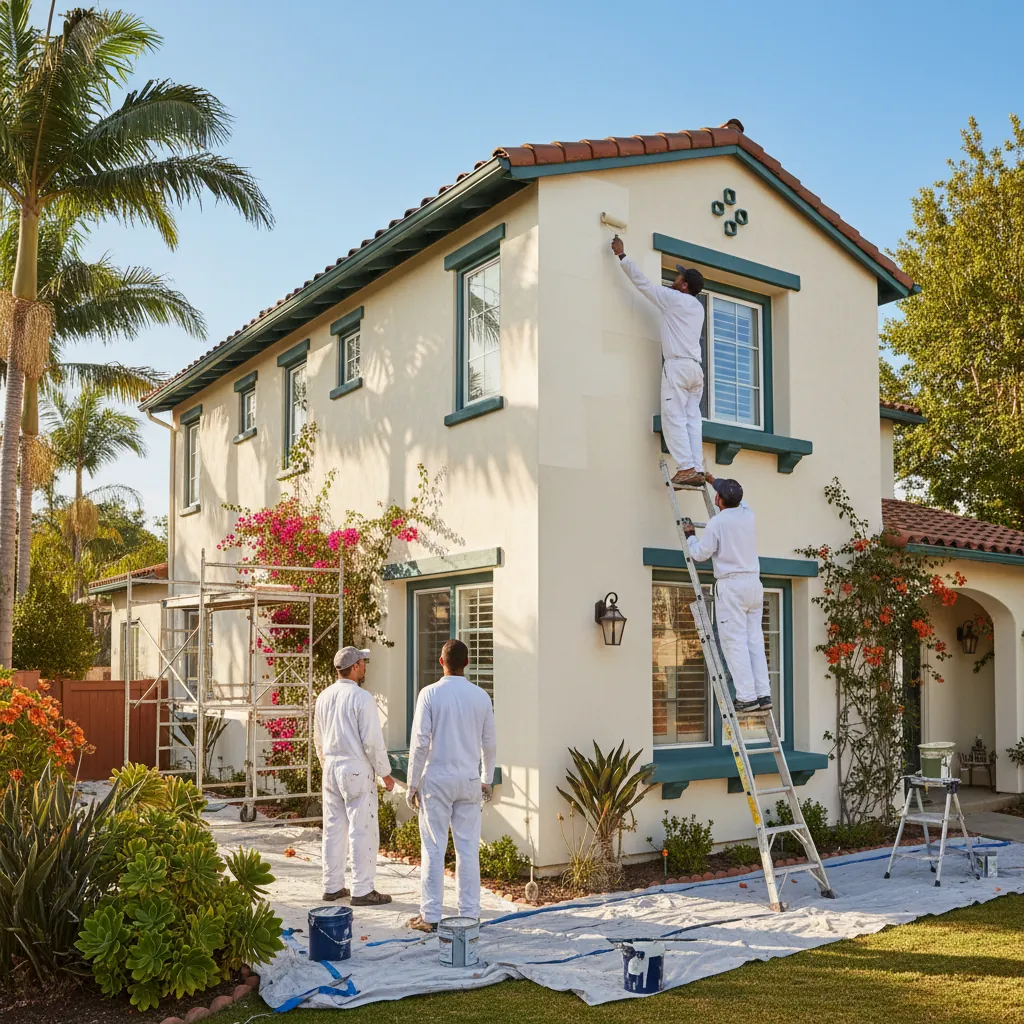
Typical Silver Lake costs, permit steps and timelines are below. When you are ready, describe your project and up to four local exterior painters serving Silver Lake will contact you. You compare and decide.
Preserving the architectural character of Silver Lake homes requires an understanding of our unique neighborhood geography and microclimate. From historic mid-century modern masterpieces along the hillsides to classic bungalows near Sunset Boulevard, the exterior finish of your home is its primary defense against the elements. We connect you with local painting contractors who understand how to prep, seal, and paint homes in this vibrant pocket of Los Angeles.
The steep hills and winding streets around the Silver Lake Reservoir present unique challenges for exterior painting, often requiring specialized scaffolding and rigging to safely paint multi-story homes perched on hillside slopes.
Furthermore, slight shifts in the area's hillside soils can cause minor settling, leading to hairline cracks in stucco that must be properly sealed with elastomeric compounds rather than just painted over. Navigating these heights and structural nuances is essential to prevent moisture intrusion during winter rains and sun damage during hot, dry summers.
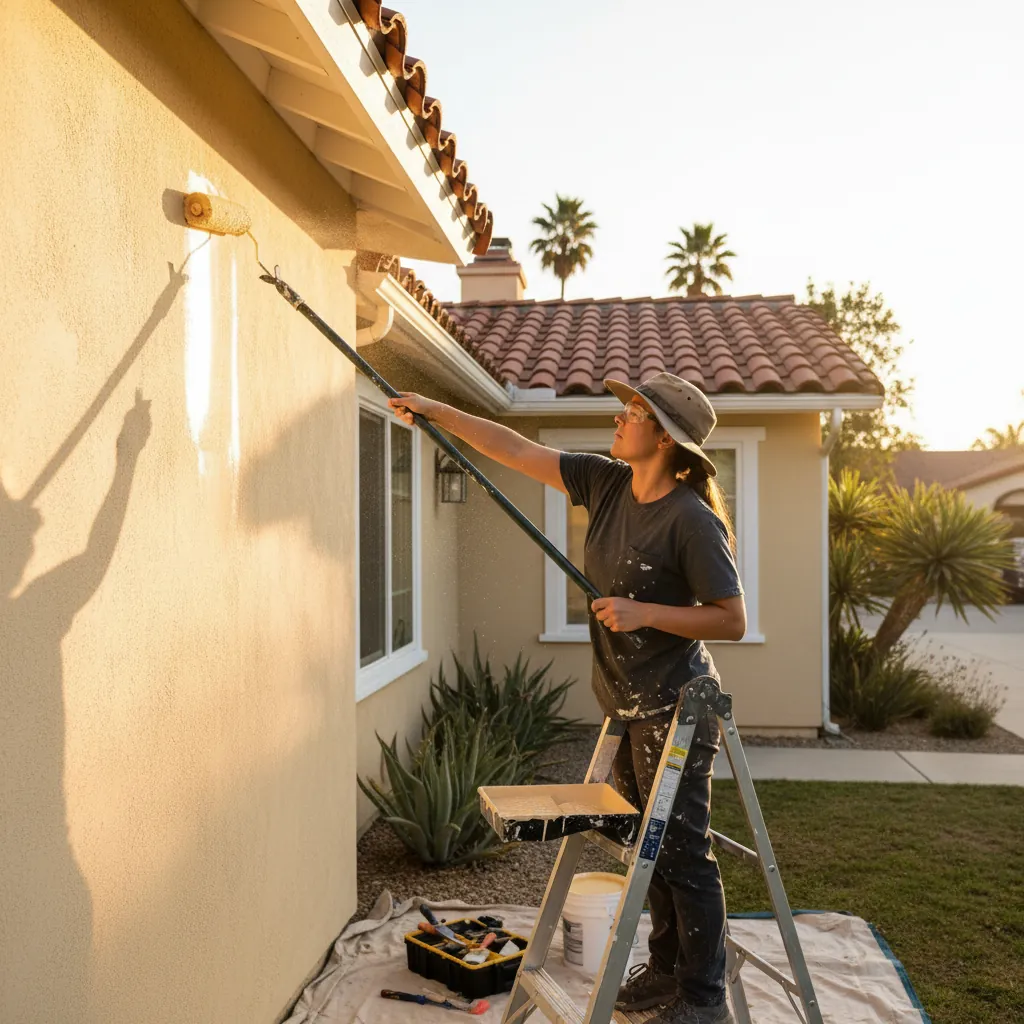
Applies to smaller bungalows or flatter lots with straightforward access and minimal stucco repair.
Higher range accounts for complex scaffolding setups on steep Silver Lake slopes and extensive stucco patching due to hillside shifting.
Necessary for older homes experiencing settling cracks, ensuring the structure is completely sealed before painting.
Typical market ranges for the Greater Los Angeles area, not a quote or a guarantee. The price of your job depends on its scope, so ask each pro for a written estimate before you decide. Bars share one scale, so you can compare project sizes.
Thorough exterior inspection and identifying stucco cracks from minor soil settling
Water-efficient pressure washing to remove dirt, mold, and chalking paint
Scraping, sanding, and patching damaged surfaces with high-quality compound or elastomeric sealant
Masking windows, landscaping, and hardscaping to protect your property
Applying premium primer and two coats of UV-resistant exterior paint
Final walkthrough and cleanup of the work area
ContractorPro.Leads doesn't do the work itself. We pass your Silver Lake project to up to four local exterior painters who take this kind of job, and you decide whether to hire any of them.
Whether your home sits on the steep ridges overlooking Silver Lake Boulevard or is nestled in the residential pockets just off Sunset Boulevard, the local environment demands high-quality exterior finishes. Properties near the Silver Lake Reservoir experience specific microclimatic patterns, including morning humidity and intense, direct afternoon sun, which can cause premature paint fading and peeling if not addressed with UV-resistant coatings.
Tell us what you have in mind. We'll pass it to up to four local pros, and they'll contact you to talk it through.
Generally, standard exterior painting does not require a permit from LADBS. However, if your project involves major structural repairs to stucco, dry rot remediation, or the erection of complex scaffolding on public right-of-ways, a permit or special encroachment clearance may be necessary.
Steep lots and winding streets around the reservoir limit easy access. Contractors must account for additional labor and safety equipment, such as specialized scaffolding or boom lifts, to safely navigate multi-level hillside structures.
LADWP conservation rules restrict water waste, but professional painters use commercial-grade, high-efficiency pressure washers that clean deeply with minimal water volume, complying with local environmental standards.
While Southern California's mild winters allow for year-round painting, the ideal months are spring and autumn. Late summer can bring extreme heat that causes paint to dry too quickly, while winter rains can disrupt the application process.
Parts of Silver Lake fall under Historic Preservation Overlay Zones (HPOZs) or have specific architectural covenants. If your home is historically designated, you may need approval for color changes from the local planning department before work begins.
