Typical Silver Lake costs, permit steps and timelines are below. When you are ready, describe your project and up to four local landscapers serving Silver Lake will contact you. You compare and decide.
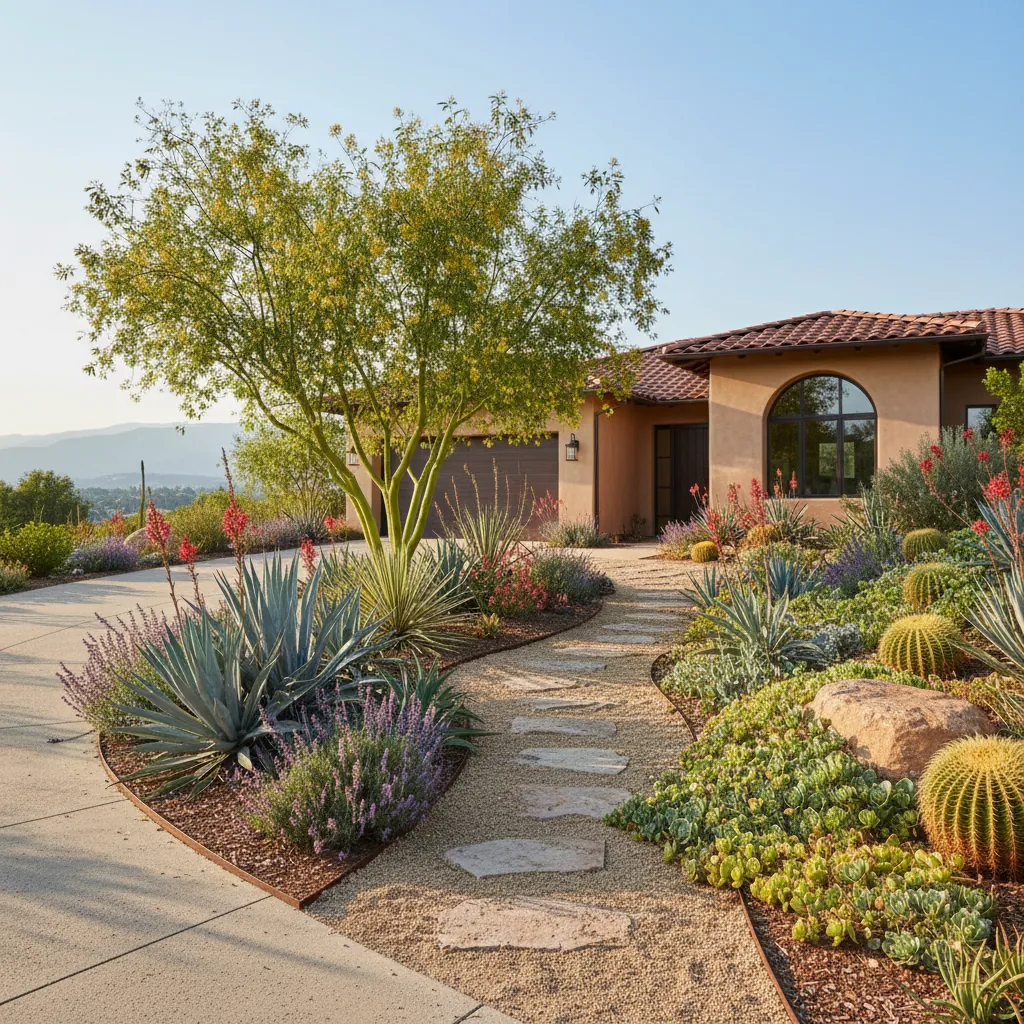
Carved into the steep, winding hills overlooking the Silver Lake Reservoir, residential yards in the 90026 area require highly specialized care and planning. Creating a functional outdoor living space here means balancing the natural topography with the creative, modern spirit of the neighborhood.
Silver Lake’s steep terrain and complex hillside soils demand careful engineering before any major planting or hardscaping begins.
Unlike flatter parts of Los Angeles, simple grading here can compromise slope stability, meaning retaining walls and deep-set foundations often require structural engineering and City of Los Angeles Dept. of Building and Safety (LADBS) approvals. Proper drainage must be integrated from the start to protect your property during wet winters while retaining essential moisture during warm, dry summers.
Pricing depends heavily on soil stability, height, and ease of equipment access on narrow Silver Lake streets.
Varies by yard size and plant maturity; designed to align with LADWP water conservation rebate standards.
Includes terracing, hardscaping pathways, drought-tolerant plantings, and low-voltage lighting across steep lots.
Typical market ranges for the Greater Los Angeles area, not a quote or a guarantee. The price of your job depends on its scope, so ask each pro for a written estimate before you decide. Bars share one scale, so you can compare project sizes.
Initial site assessment to evaluate slope, soil condition, and existing drainage pathways.
Concept design and planting plan tailored to Silver Lake's microclimate and topography.
Permit filing and structural engineering reviews with the LADBS for any required hardscaping.
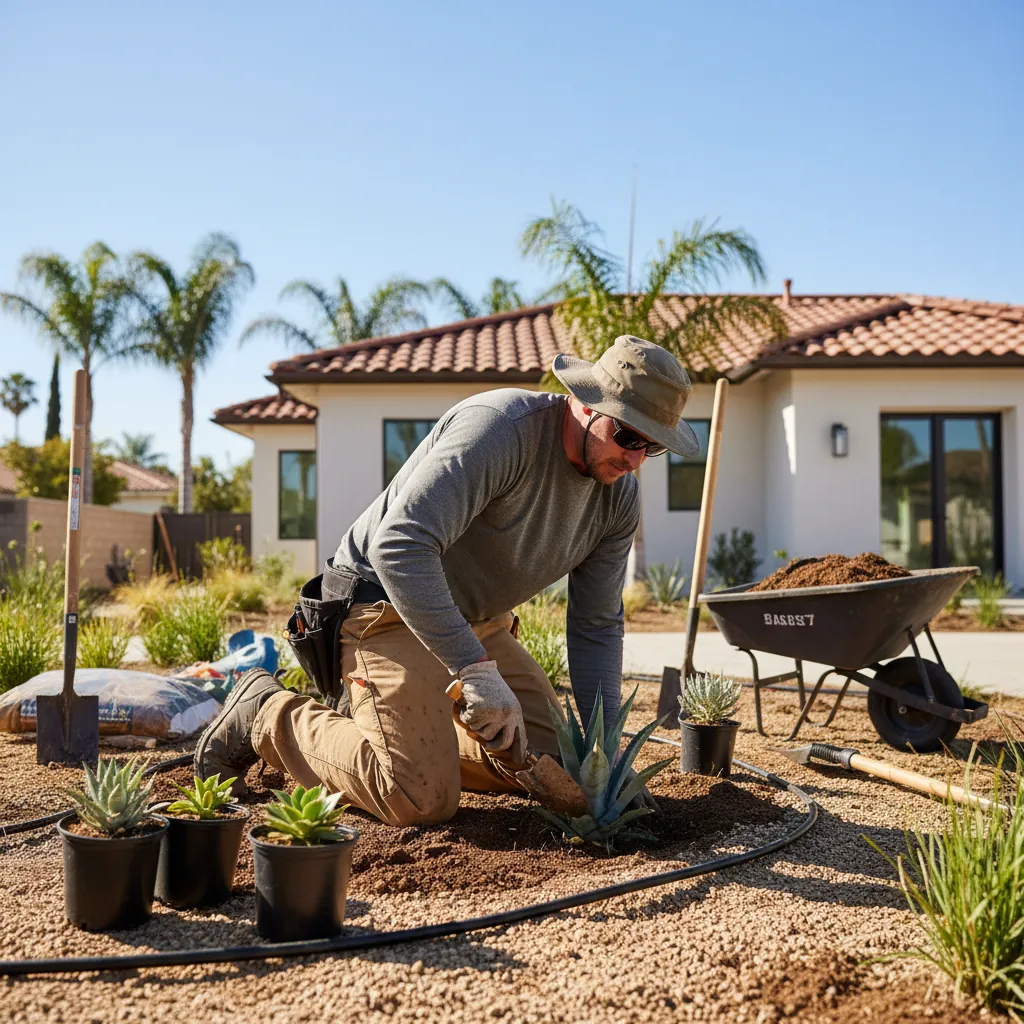
Installation of sub-surface drainage, retaining structures, and smart irrigation systems.
Soil amendment, planting of native/drought-resistant species, and mulching.
Final walk-through and programming of smart irrigation controllers to meet local watering schedules.
ContractorPro.Leads doesn't do the work itself. We pass your Silver Lake project to up to four local landscapers who take this kind of job, and you decide whether to hire any of them.
From mid-century modern homes perched along the winding streets near Silver Lake Blvd to historic bungalows closer to Sunset Blvd, landscaping in this neighborhood acts as an extension of the architecture. Designing a functional yard here often involves terraced gardens, native California plantings, and low-flow drip irrigation that complies with local watering limits. Local pros know how to select plants that thrive in our specific canyon microclimates while maximizing every square foot of your outdoor space.
Tell us what you have in mind. We'll pass it to up to four local pros, and they'll contact you to talk it through.
Yes, in the City of Los Angeles, any retaining wall over four feet tall (measured from the bottom of the footing to the top of the wall) or any wall supporting a surcharge, such as a slope or driveway, requires a permit and plan check from the Los Angeles Dept. of Building and Safety (LADBS).
To qualify for LADWP rebates, your project must replace living grass with low-water-use plants, include a smart irrigation controller, install a rainwater capture feature, and follow specific organic mulch guidelines. Local pros can design your new yard to meet all of these criteria.
Deep-rooting California native plants like Ceanothus (California lilac), Toyon, and various native sages are ideal. They help bind the soil on steep slopes to prevent erosion, require minimal water once established, and easily tolerate our warm, dry summers.
While basic softscaping does not require permits, structural plans for hillside terraces and retaining walls typically take between 4 to 12 weeks to clear LADBS plan check, depending on current city backlogs and whether a soils report is required.
Limited parking and tight access on roads near the Silver Lake Reservoir can make it difficult for heavy machinery or bulk material delivery trucks to reach your property. This often increases the manual labor required, which can impact the overall cost of the project.
