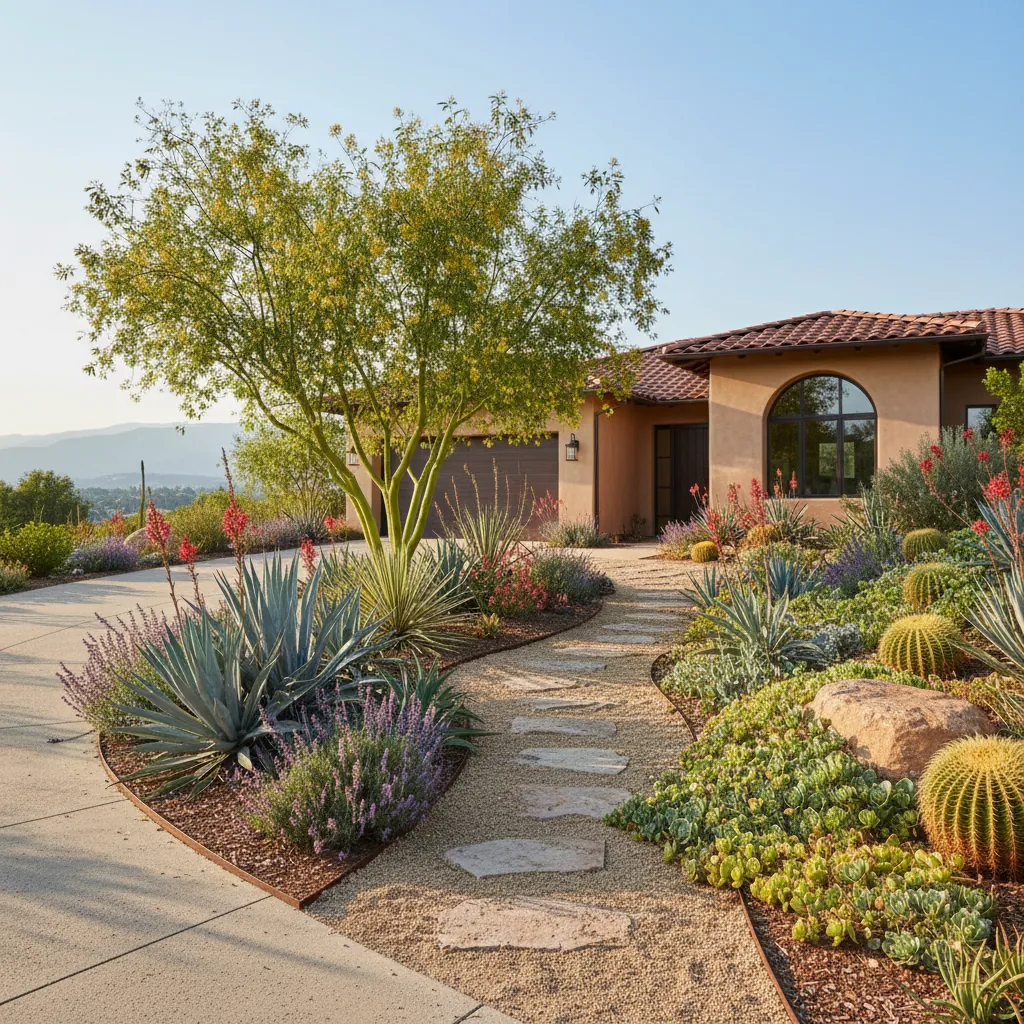
Typical Los Feliz costs, permit steps and timelines are below. When you are ready, describe your project and up to four local landscapers serving Los Feliz will contact you. You compare and decide.
Maintaining a vibrant outdoor space in Los Feliz requires a balance between architectural preservation and climate-resilient design.
Landscaping in Los Feliz demands an understanding of two distinct terrains: the rich, alluvial flats along Los Feliz Boulevard and the steep, rocky hillside soils leading up to Griffith Park.
Properties near the park must strictly adhere to Los Angeles Fire Department brush clearance requirements for the Very High Fire Hazard Severity Zone. Additionally, any major retaining walls, drainage systems, or hillside grading on these slopes require precise structural engineering and permits through the Los Angeles Department of Building and Safety (LADBS).
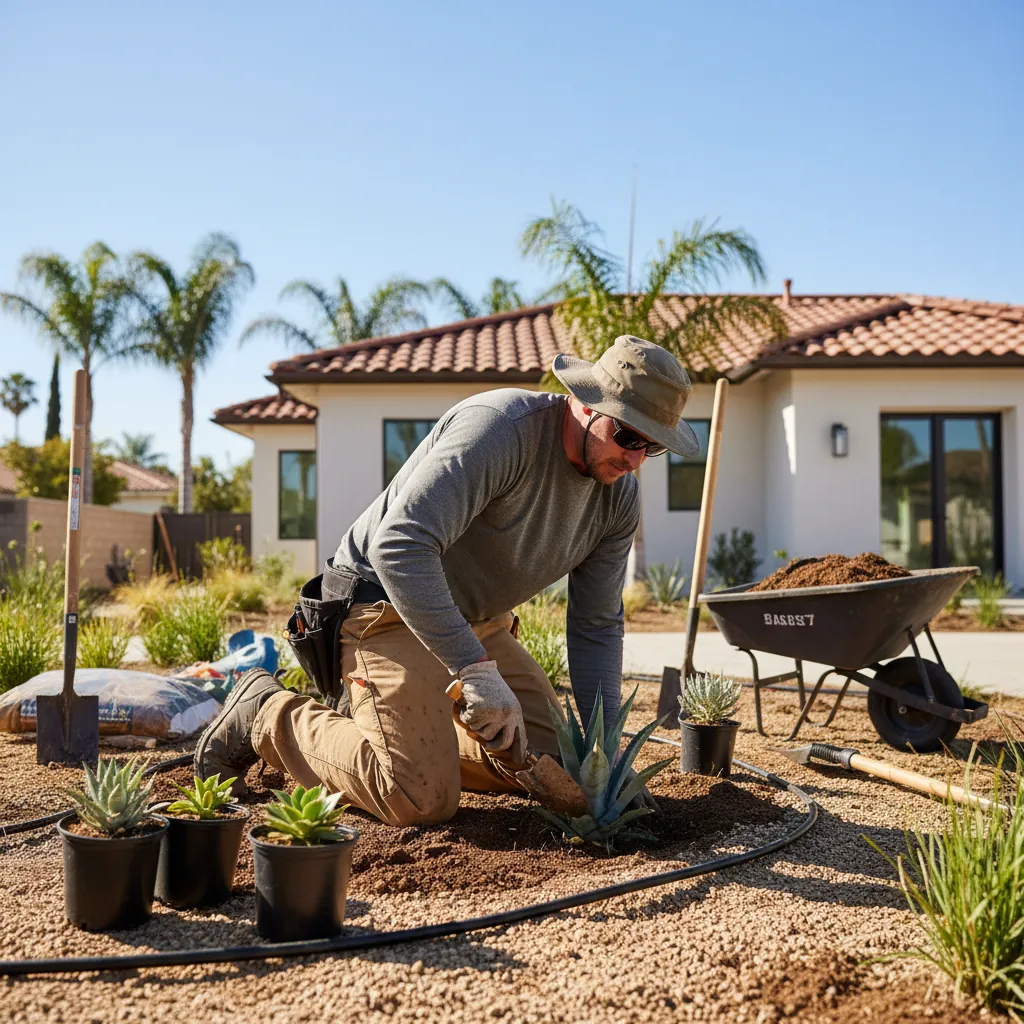
Costs depend on the size of the lawn removed, soil prep needed in rocky hillside areas, and the selection of low-water California native plants to qualify for LADWP rebates.
Hillside properties below Griffith Park require engineering, robust retaining walls, and LADBS permits to prevent erosion and manage heavy winter rains.
Historic estates on Los Feliz Blvd flatlands or complex hillside terracing projects command premium rates due to access constraints, scale, and high-end materials.
Typical market ranges for the Greater Los Angeles area, not a quote or a guarantee. The price of your job depends on its scope, so ask each pro for a written estimate before you decide. Bars share one scale, so you can compare project sizes.
Site analysis of soil type (alluvial vs. rocky hillside) and micro-climate exposure
Custom landscape design layout, emphasizing fire-safe zoning if near the park
Submitting grading and structural retaining wall plans to LADBS for permit clearance
LADWP rebate application pre-approval for turf removal and irrigation upgrades
Site preparation, including weed abatement, soil conditioning, and slope stabilization
Installation of low-voltage LED lighting, drip irrigation, and native or Mediterranean plantings
ContractorPro.Leads doesn't do the work itself. We pass your Los Feliz project to up to four local landscapers who take this kind of job, and you decide whether to hire any of them.
From the grand, tree-lined estates along Los Feliz Boulevard to the mid-century modern homes tucked into the winding streets below Griffith Park, the neighborhood's diverse architectural styles demand tailored landscaping. Along busy corridors like Vermont Avenue, privacy screening and noise-dampening native hedges are highly prized. Local contractors specialize in matching the historical character of Spanish Colonial and Craftsman homes with drought-tolerant, native California plants that flourish in our warm, dry Mediterranean climate.
Tell us what you have in mind. We'll pass it to up to four local pros, and they'll contact you to talk it through.
Yes, any retaining wall over 4 feet tall, or any wall supporting a surcharge (like a slope or driveway above it), requires structural engineering plans and a permit from the Los Angeles Department of Building and Safety (LADBS). Hillside areas near Griffith Park are subject to strict grading reviews.
Local contractors can design a low-water landscape utilizing LADWP's Turf Replacement Program, which offers generous rebates per square foot for replacing grass with native plants, mulch, and permeable hardscaping, alongside installing smart weather-based irrigation controllers.
Properties within the Very High Fire Hazard Severity Zone must maintain a 100-foot defensible space. This includes clearing dry brush, pruning trees 3 feet up from the ground, and keeping highly flammable vegetation like eucalyptus or palm trees well away from structures.
Properties near Los Feliz Boulevard often have rich alluvial soils that drain relatively well but may need organic amendments. Up on the hillside streets, the soil is thin, rocky, and compacted, requiring targeted plant selection and specialized tools for excavation.
Late fall and winter are ideal for planting California native species, allowing them to establish root systems during the cooler, wetter months. Spring and summer are excellent for planning, hardscaping, and installing irrigation systems ahead of the planting season.
