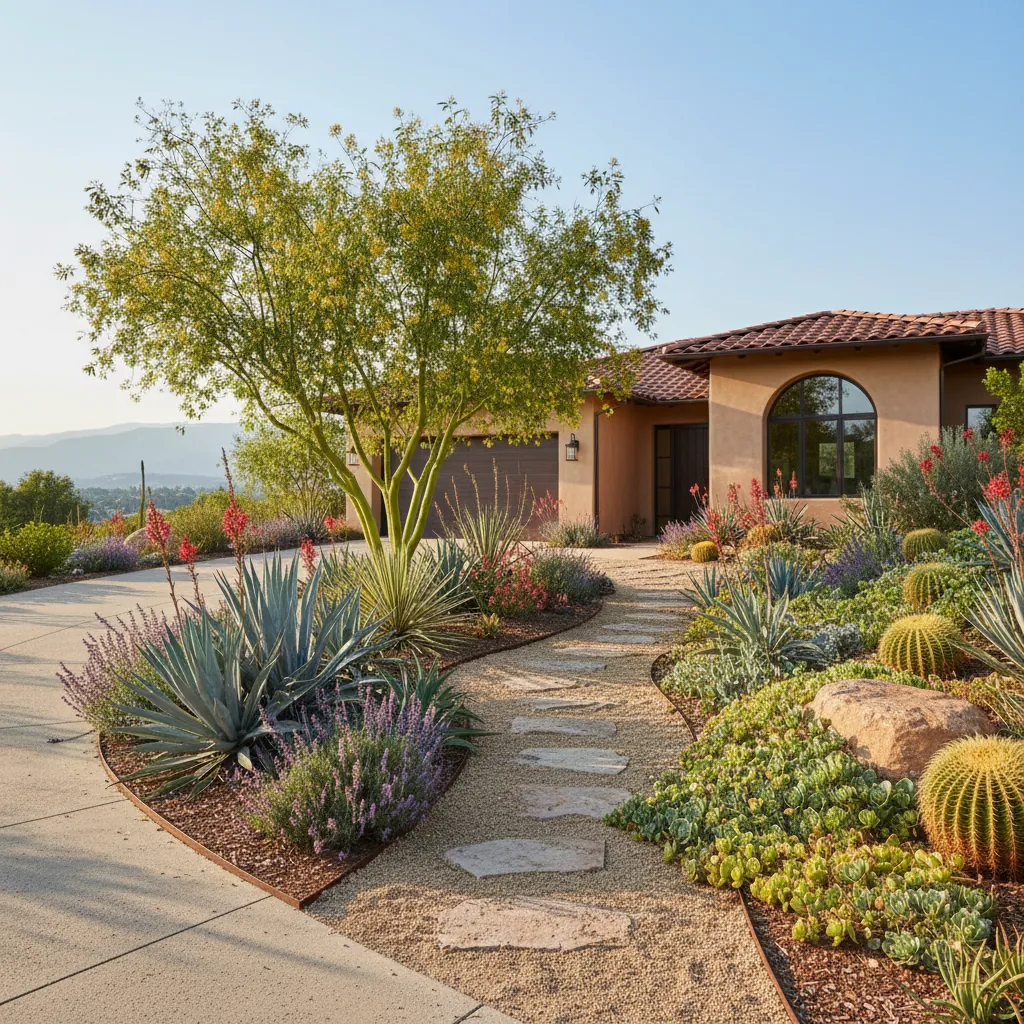
Typical Mount Washington costs, permit steps and timelines are below. When you are ready, describe your project and up to four local landscapers serving Mount Washington will contact you. You compare and decide.
Managing a yard on the steep, winding ridges of Mount Washington requires more than just standard gardening; it demands a deep understanding of slope stability and native flora. We connect you with local landscape professionals who specialize in transforming these complex hillside lots into beautiful, resilient outdoor spaces. From erosion control to drought-tolerant designs, get matched with specialists who know the unique terrain of the 90065 ZIP code.
The stunning views above the Arroyo Seco come with distinct geographical challenges, particularly the steep hillside soils that are prone to erosion and shifting.
Landscaping here often requires engineered retaining walls, deep-rooted native plantings, and careful terracing to secure the slope. Furthermore, any significant structural earthwork must navigate the strict grading and permitting standards enforced by the Los Angeles Department of Building and Safety (LADBS).
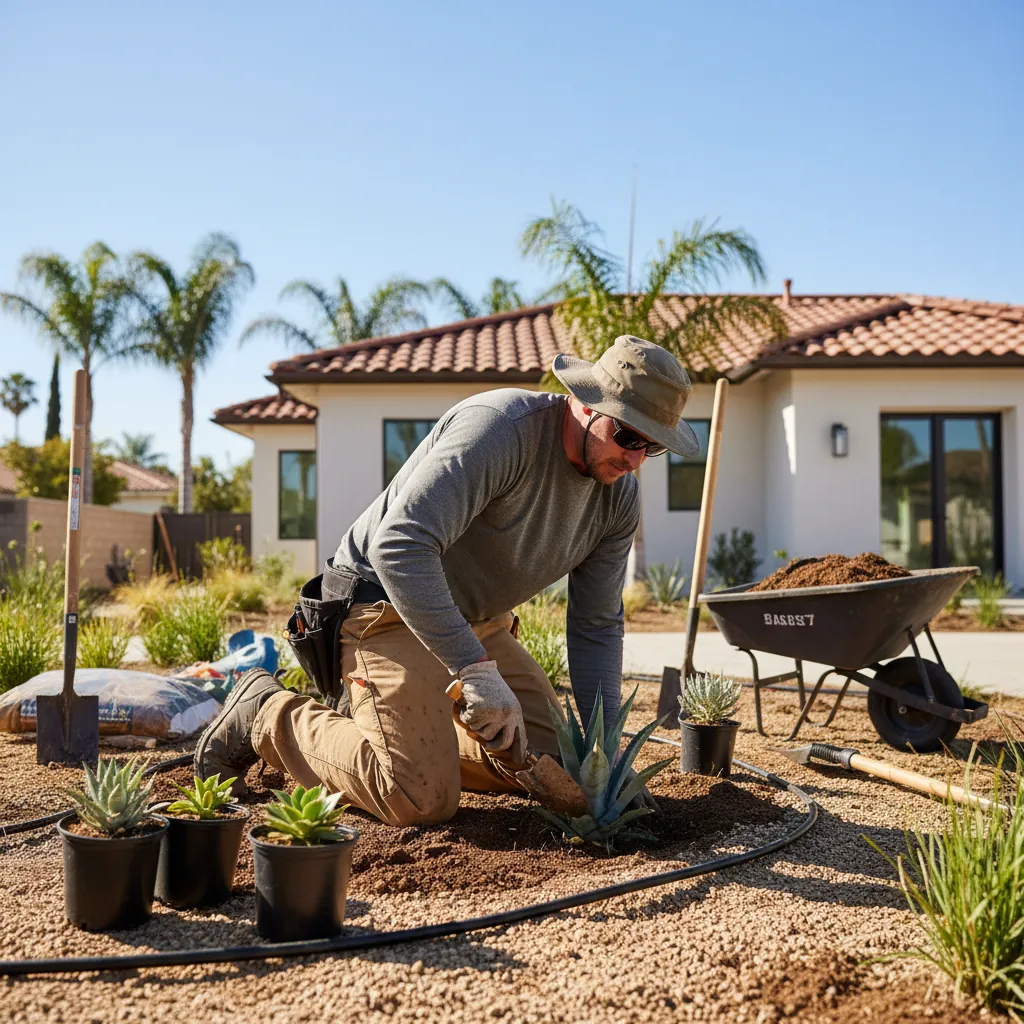
Covers softscaping, soil prep, drought-tolerant plants, and high-efficiency drip systems for a standard-sized yard.
Costs depend heavily on slope steepness, soil composition, and LADBS engineering and permitting requirements.
For steep lots requiring excavation, drainage management, pathways, and structural steps to create flat, usable zones.
Typical market ranges for the Greater Los Angeles area, not a quote or a guarantee. The price of your job depends on its scope, so ask each pro for a written estimate before you decide. Bars share one scale, so you can compare project sizes.
Initial site topography and soil assessment to evaluate drainage and slope stability.
Concept design creation focusing on native, drought-tolerant plants and hardscape layout.
Permit acquisition and engineering coordination with LADBS for any retaining walls over four feet.
Grading, terracing, and drainage system installation to manage runoff safely.
Planting native flora, installing high-efficiency drip irrigation, and laying mulch.
Final inspection and system calibration to ensure compliance with local watering limits.
ContractorPro.Leads doesn't do the work itself. We pass your Mount Washington project to up to four local landscapers who take this kind of job, and you decide whether to hire any of them.
Whether your property sits along the historic, winding curves of San Rafael Ave or borders the protected native habitats of Elyria Canyon Park, your landscaping choices shape the visual character and ecological health of Mount Washington. Designing a garden in this unique microclimate—defined by hot inland summers and mild winters—means selecting plants that can thrive on steep slopes while respecting the surrounding wildland-urban interface.
Tell us what you have in mind. We'll pass it to up to four local pros, and they'll contact you to talk it through.
Yes, the Los Angeles Department of Building and Safety (LADBS) requires a building and grading permit for any retaining wall over four feet tall, or any wall supporting a surcharge (like a slope or driveway above it). Local contractors on our platform can coordinate with structural engineers to handle this process.
Mount Washington features highly variable hillside soils that are prone to movement during heavy rains. Successful landscaping requires incorporating deep-rooted native plants to bind the topsoil, along with professional grading and drainage systems to guide water away from slope faces.
The Los Angeles Department of Water and Power (LADWP) enforces specific outdoor watering limits based on address numbers. Utilizing high-efficiency drip irrigation or planting drought-tolerant natives minimizes water usage and ensures compliance with these local conservation ordinances.
To receive the rebate, you must replace existing turf with drought-tolerant plants, include a stormwater retention feature (like a rain garden or bioswale), and use permeable hardscape materials. The local landscape pros we connect you with can design your yard specifically to meet these rebate requirements.
California native species such as Toyon, Sage, and California Lilac thrive in our hot summers and mild winters. These plants require minimal water once established and provide excellent root structures to naturally stabilize hillside soil.
