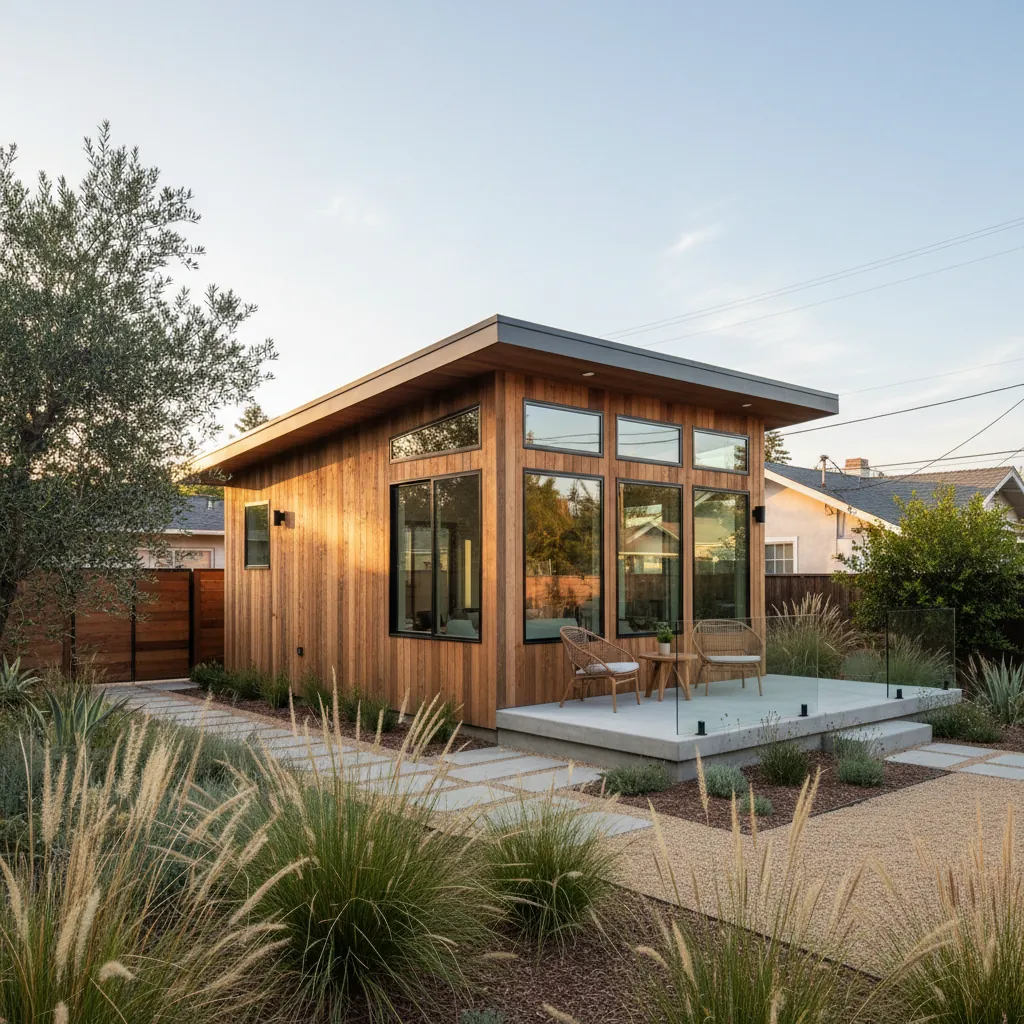
Typical Mount Washington costs, permit steps and timelines are below. When you are ready, describe your project and up to four local ADU builders serving Mount Washington will contact you. You compare and decide.
Feasibility assessment and property line survey to identify hillside easements and slope angles.
Geotechnical soil investigation and structural engineering design for customized slope stability.
Architectural rendering and drafting of custom ADU plans tailored to hillside zoning.
Submittal and plan check clearance through the Los Angeles Department of Building and Safety (LADBS).
Site preparation, excavation, and drilling for engineered caissons or retaining walls.
Framing, utility hookups, interior finishing, and final LADBS building inspection.
Critical for Mount Washington's steep slopes to determine caisson depth and retaining wall design.
Deep foundations are required on unstable hillside soils above the Arroyo Seco to secure the structure.
Reflects local labor rates and the logistical complexity of transporting materials up narrow, winding streets.
Varies based on ADU size, valuation, and specific hillside ordinance review fees.
Typical market ranges for the Greater Los Angeles area, not a quote or a guarantee. The price of your job depends on its scope, so ask each pro for a written estimate before you decide. Bars share one scale, so you can compare project sizes.
Tucked into the steep ridges above the Arroyo Seco, Mount Washington properties offer incredible views but present unique building challenges. Adding an accessory dwelling unit (ADU) here requires specialized structural insight to maximize your property's value and footprint.
Building an ADU in Mount Washington isn't a standard flat-land project; the steep hillside lots along San Rafael Ave and surrounding ridges require deep-drilled caissons, grade beams, and robust retaining walls.
Because these hillside soils are prone to movement, the Los Angeles Department of Building and Safety (LADBS) mandates rigorous soils reports and structural engineering before any foundation is poured. Navigating these requirements, alongside local wildfire zoning rules, is essential to securing a permit and ensuring long-term slope stability.
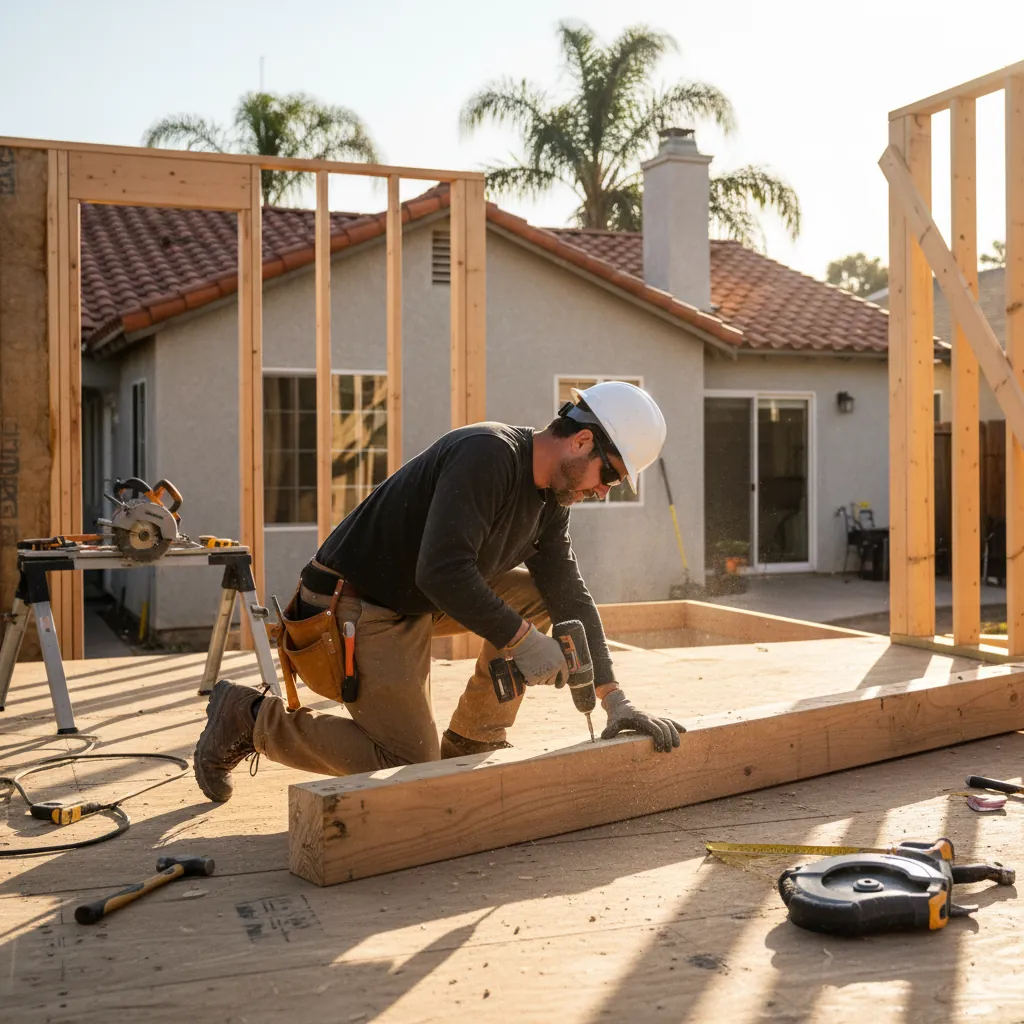
ContractorPro.Leads doesn't do the work itself. We pass your Mount Washington project to up to four local ADU builders who take this kind of job, and you decide whether to hire any of them.
Whether your property sits near the quiet hiking trails of Elyria Canyon Park or looks down over the historic Arroyo Seco corridor, the narrow, winding streets of Mount Washington dictate the logistics of your ADU build. Transporting heavy concrete mixers and framing lumber up these tight, winding roads requires careful planning, staging, and coordination with neighbors to keep traffic moving smoothly.
Tell us what you have in mind. We'll pass it to up to four local pros, and they'll contact you to talk it through.
Because of Mount Washington's hillside designations, the plan check process with the Los Angeles Department of Building and Safety (LADBS) typically takes 4 to 8 months, as it requires specialized structural, grading, and soils reviews.
Yes, but it requires engineered foundations like caissons and grade beams. Experienced local contractors work with structural engineers to design safe, stable structures that anchor firmly into the hillside bedrock.
Yes. Mount Washington is largely classified as a Very High Fire Hazard Severity Zone (VHFHSZ). ADU designs must comply with strict LADBS fire codes, including fire-rated exterior walls, ignition-resistant roofing, and interior fire sprinklers.
Logistics are a key cost factor. Narrow streets limit the size of concrete pump trucks, cranes, and delivery vehicles. This often requires manual transport of materials or smaller, more frequent deliveries, which increases labor hours.
New ADUs must comply with current LADWP water-efficiency standards, including low-flow fixtures. Homeowners can often take advantage of LADWP rebates for energy-efficient heat pump water heaters and turf replacement for the surrounding landscape.
