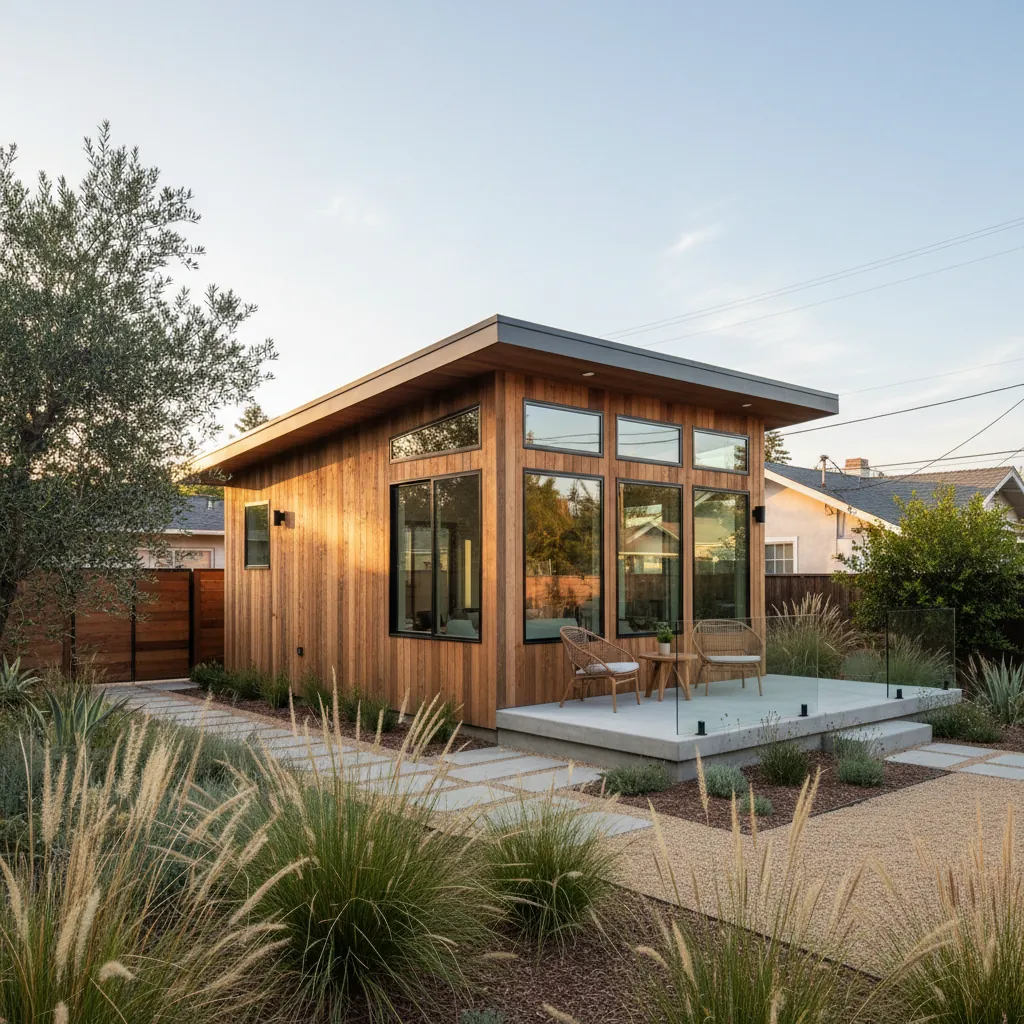
Typical Los Feliz costs, permit steps and timelines are below. When you are ready, describe your project and up to four local ADU builders serving Los Feliz will contact you. You compare and decide.
Initial site evaluation and boundary survey to determine exact setbacks
Geotechnical soil testing and structural engineering, especially for hillside parcels
Architectural design drafting and historical preservation compliance review
Submitting plans to the Los Angeles Department of Building and Safety (LADBS) for approval
Site preparation, excavation, and specialized foundation pouring
Utility hookups and connection to existing LADWP electrical and water systems
Utilizing an existing historic structure on the Los Feliz flats saves on foundation costs, though retrofitting older framing to meet modern seismic standards is often required.
Costs depend on size and finishes; properties on flatter terrain near Vermont Ave fall on the lower end, while premium architectural finishes drive the higher end.
Specifically for properties rising toward Griffith Park, requiring caissons, grade beams, and retaining walls to secure the ADU on sloping, rocky terrain.
Typical market ranges for the Greater Los Angeles area, not a quote or a guarantee. The price of your job depends on its scope, so ask each pro for a written estimate before you decide. Bars share one scale, so you can compare project sizes.
Adding an accessory dwelling unit to your Los Feliz property is a sophisticated way to expand your living space while respecting the neighborhood's historic character. Whether you are planning a hillside guest suite or converting a historic garage on the flats, navigating the local design and building landscape requires specialized expertise.
Building an ADU in Los Feliz presents starkly different structural demands depending on your exact elevation.
Flat properties along Los Feliz Boulevard sit on alluvial soil that is relatively straightforward for standard foundations, but as you move north into the steep hillside streets below Griffith Park, you encounter rocky, unstable soils and strict Very High Fire Hazard Severity Zone (VHFHSZ) building codes. These hillside builds require engineered caissons, retaining walls, and specialized ignition-resistant materials to satisfy LADBS safety mandates while managing complex slope drainage.
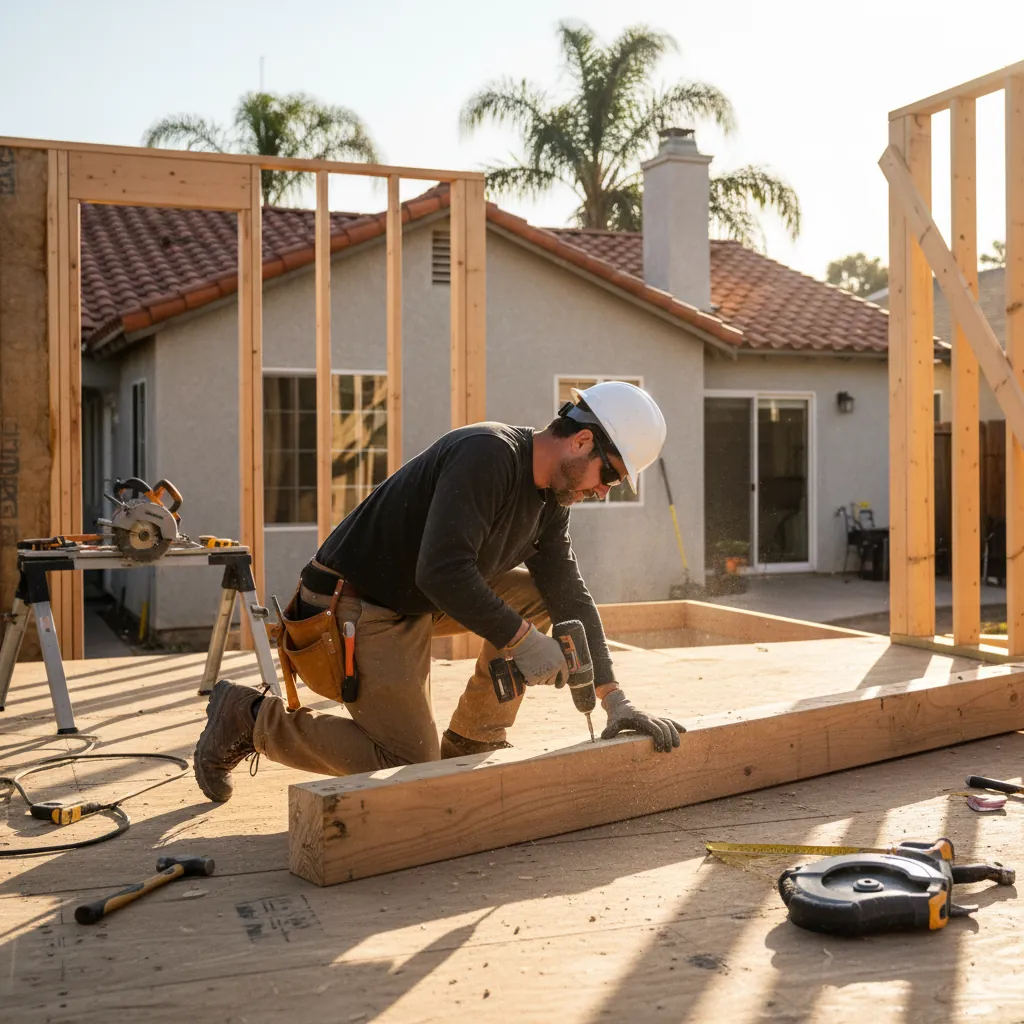
ContractorPro.Leads doesn't do the work itself. We pass your Los Feliz project to up to four local ADU builders who take this kind of job, and you decide whether to hire any of them.
From the stately Spanish Colonial Revival and Mid-Century homes flanking Vermont Avenue to the tranquil, leafy streets climbing toward the borders of Griffith Park, Los Feliz possesses a distinct architectural legacy. Local properties often feature detached garages or backyard layouts that are ideal for ADU conversion or new detached builds. However, preserving the historic streetscape while working within the tight lot setbacks common near Los Feliz Blvd requires an experienced hand who respects both local heritage and Los Angeles zoning constraints.
Tell us what you have in mind. We'll pass it to up to four local pros, and they'll contact you to talk it through.
For standard custom designs, the plan check and permitting process with the Los Angeles Department of Building and Safety (LADBS) typically takes 4 to 8 months. Using pre-approved LADBS standard plans can shorten this timeframe significantly, though hillside properties always require additional structural reviews.
Yes. If your property lies within the Very High Fire Hazard Severity Zone, LADBS mandates fire-resistant construction. This includes non-combustible siding, dual-paned tempered glass windows, boxed-in eaves, and specialized ember-resistant vents to mitigate wildfire risks.
Yes, garage conversions are highly popular in 90027. Under California's state laws and LA's local ordinances, you can convert an existing accessory structure within the same footprint, though you must structurally reinforce the existing framing and foundation to meet current residential building codes.
Your ADU will connect to LADWP services. While a separate water meter is rarely required, upgrading your main electrical panel to 200 amps is common to support the ADU's climate control and appliances. Implementing graywater systems or drought-tolerant landscaping can help you meet LADWP's strict conservation guidelines.
While direct ADU construction rebates vary by season, homeowners can often leverage LADWP rebates for energy-efficient upgrades such as heat pump HVAC units, solar panels, and smart thermostats installed in the new unit.
