Typical Los Feliz costs, permit steps and timelines are below. When you are ready, describe your project and up to four local plumbers serving Los Feliz will contact you. You compare and decide.
Essential for older Los Feliz homes to locate root intrusions from mature trees before they cause major line failures.
Costs vary depending on accessibility in tight utility closets and the plumbing adjustments required to meet current earthquake strapping codes.
Highly recommended for hillside properties near Griffith Park where high municipal water pressure must be stepped down to protect home fixtures.
Trenchless options protect expensive landscaping and historic driveways common along Los Feliz Boulevard while restoring failing clay pipes.
Typical market ranges for the Greater Los Angeles area, not a quote or a guarantee. The price of your job depends on its scope, so ask each pro for a written estimate before you decide. Bars share one scale, so you can compare project sizes.
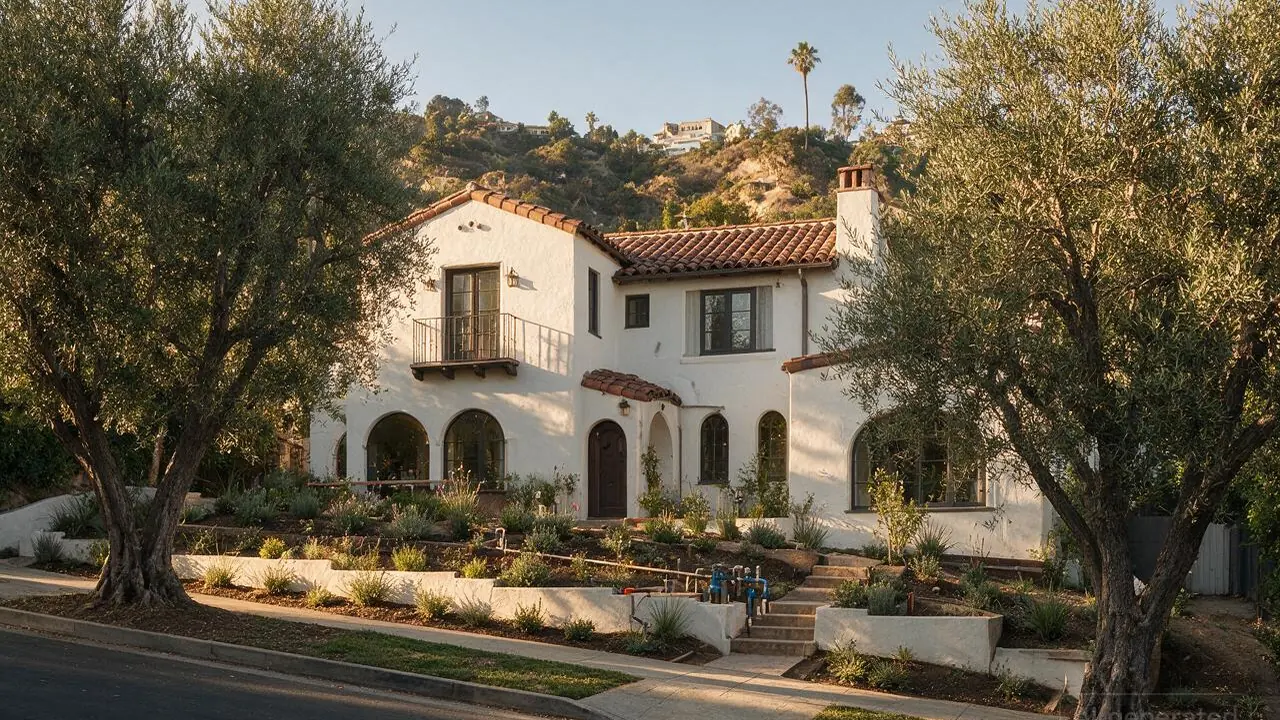
Maintaining a home in Los Feliz requires an understanding of the area's unique architectural heritage, from classic Spanish Colonials to mid-century hillside retreats. Whether you are dealing with aging pipe networks near Vermont Avenue or high-pressure challenges in the foothills, finding the right plumbing expertise is essential. We connect you with local plumbing professionals who understand the specific needs of your 90027 neighborhood.
In Los Feliz, the dramatic transition from the alluvial flats along Los Feliz Boulevard to the rocky, shifting hillside soils below Griffith Park puts immense stress on underground sewer and water lines.
Older clay and cast-iron lateral pipes are highly susceptible to root intrusion from mature neighborhood foliage and micro-movements in the steep terrain. Furthermore, high water pressure required to pump municipal water up these hillside elevations demands robust, functioning pressure-regulating valves to prevent catastrophic pipe bursts inside your home.
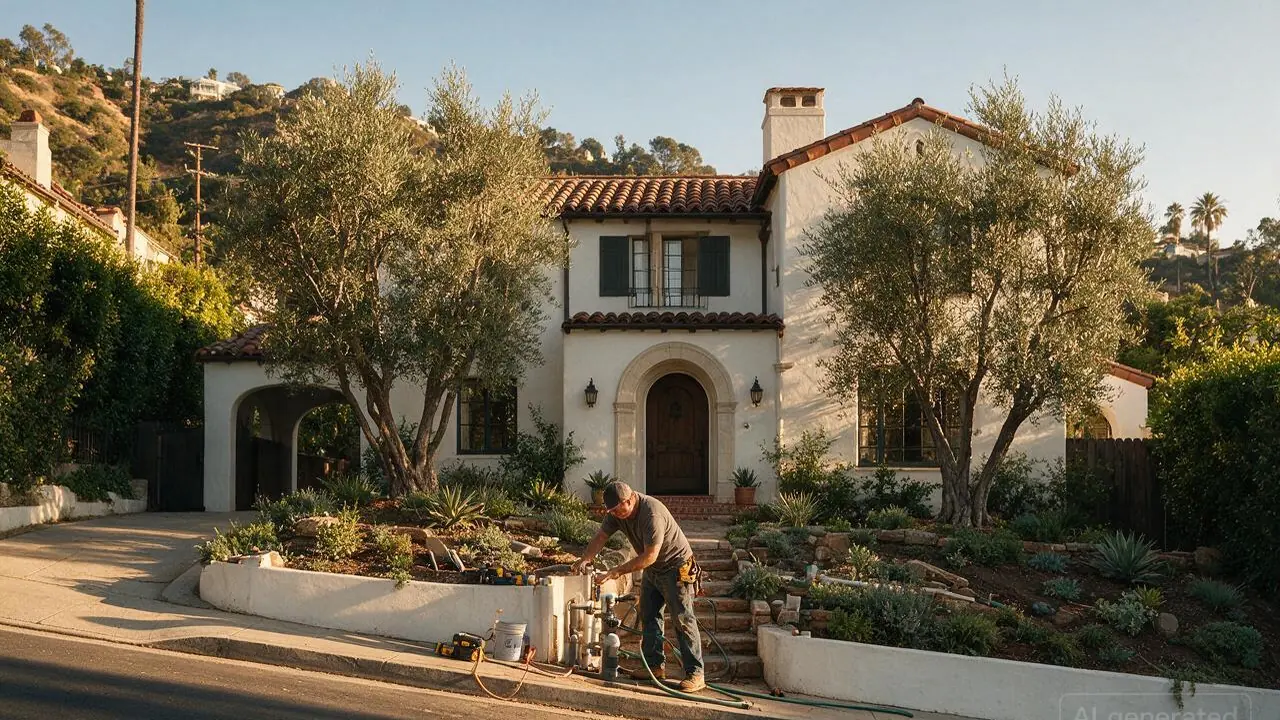
Initial site evaluation and diagnostic camera inspection of sewer lines
A detailed, written estimate outlining scope, materials, and local labor
LADBS permit acquisition for major line replacements or water heater upgrades
Execution of work using durable, code-compliant materials like copper or PEX
Post-installation pressure testing and system safety inspection
Job-site cleanup and proper disposal of old materials and debris
ContractorPro.Leads doesn't do the work itself. We pass your Los Feliz project to up to four local plumbers who take this kind of job, and you decide whether to hire any of them.
From the bustling commercial stretches along Vermont Avenue to the stately estate homes lining Los Feliz Boulevard, plumbing demands vary block by block. Homes tucked directly beneath the shade of Griffith Park often contend with complex gravity-fed drainage systems and strict environmental considerations. Navigating these local variances requires a plumbing contractor who is deeply familiar with the structural quirks of Los Feliz's distinct landscape.
Tell us what you have in mind. We'll pass it to up to four local pros, and they'll contact you to talk it through.
Yes, the Los Angeles Department of Building and Safety (LADBS) requires a permit and subsequent inspection for all water heater installations to ensure proper venting, gas line connection, and seismic strapping.
Properties situated on the hillsides below Griffith Park often experience high water pressure from municipal lines. Without a properly functioning pressure-reducing valve (PRV), this high pressure can cause pipe leaks, dripping faucets, and premature appliance failure.
Yes, Los Feliz residents can take advantage of various LADWP rebates for installing high-efficiency toilets, smart irrigation controllers, and qualifying tankless water heaters.
For standard residential sewer repairs, simple permits can often be obtained online through the LADBS Express Permit system. More complex hillside projects involving public right-of-way may require a plan check, taking several days to a few weeks.
The mixture of alluvial soils in the lower flats and shifting soils on the hillsides can cause concrete slabs to move slightly over time. This movement, combined with the natural corrosion of older copper pipes buried beneath the slab, often leads to pinhole leaks.
