Typical Hancock Park costs, permit steps and timelines are below. When you are ready, describe your project and up to four local plumbers serving Hancock Park will contact you. You compare and decide.
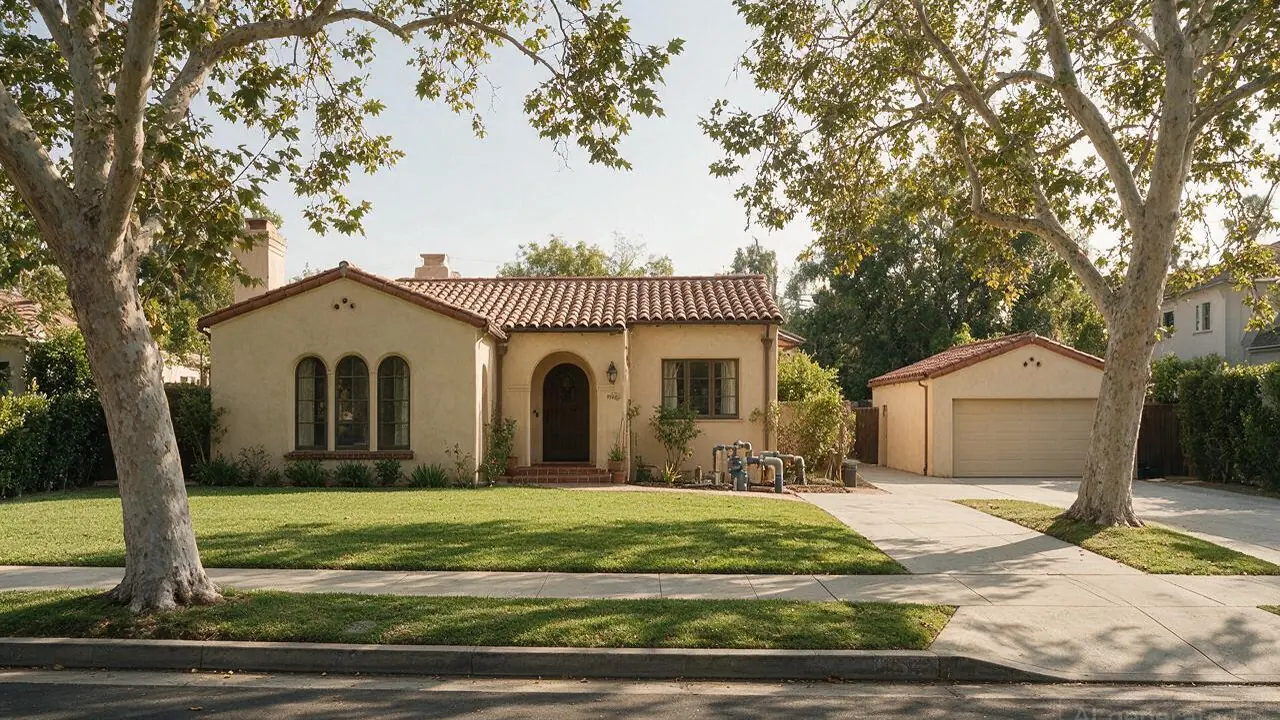
Root clearing in clay lateral lines is common here due to mature parkway trees; prices vary based on line access.
Replacing aged clay pipes with structural pipe lining protects mature landscaping and avoids tearing up historic lawns.
Includes bringing the new installation up to current seismic strapping standards required by LADBS.
Typical market ranges for the Greater Los Angeles area, not a quote or a guarantee. The price of your job depends on its scope, so ask each pro for a written estimate before you decide. Bars share one scale, so you can compare project sizes.
Maintaining the plumbing in Hancock Park's historic estates requires a delicate balance of preserving architectural character and installing modern, efficient systems. Whether you live in a grand 1920s Tudor on Rossmore Avenue or a classic revival near Larchmont Village, we connect you with local plumbing specialists who understand the unique infrastructure of our neighborhood's historic residences.
Many classic Hancock Park homes sit on original raised foundations over flat basin soils, which are susceptible to subtle shifting.
Over decades, the extensive root systems of the neighborhood's iconic, mature street trees can easily infiltrate and crack older clay sewer laterals. Addressing these sub-floor and main-line plumbing issues requires professionals experienced in navigating tight crawlspaces without disturbing original hardwood floors or historic plaster walls.
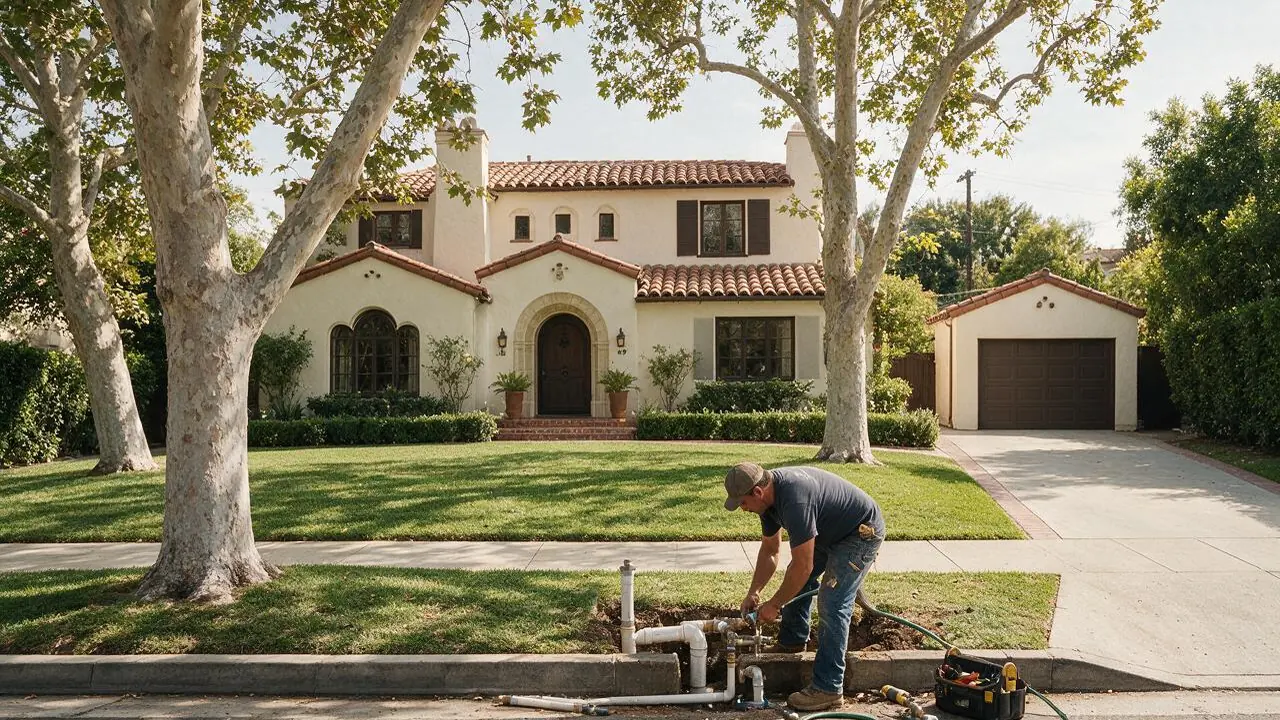
Assess the home's existing pipe materials, such as galvanized steel, copper, or cast iron.
Perform a video camera inspection of the main sewer lateral to check for root intrusion.
Verify crawlspace access points beneath the raised foundation to plan safe entry.
Obtain necessary permits from the Los Angeles Department of Building and Safety (LADBS).
Execute repairs or pipe replacements using dust-containment and floor-protection measures.
Conduct pressure testing and a final walkthrough to ensure system integrity.
ContractorPro.Leads doesn't do the work itself. We pass your Hancock Park project to up to four local plumbers who take this kind of job, and you decide whether to hire any of them.
From the quiet, tree-lined blocks surrounding the Wilshire Country Club to the bustling, pedestrian-friendly stretch of Larchmont Village, Hancock Park is defined by its preserved historic charm. Preserving these homes means hiring professionals who respect the neighborhood's unique architectural heritage, ensuring that modern plumbing retrofits and repairs are done with minimal disruption to these classic 1920s structures.
Tell us what you have in mind. We'll pass it to up to four local pros, and they'll contact you to talk it through.
Yes, most major plumbing work, including water heater replacements, re-piping, and sewer line repairs, requires a permit from the Los Angeles Department of Building and Safety (LADBS) to ensure safety and compliance with city codes.
Hancock Park's famous tree-lined blocks have extensive root systems that naturally seek out moisture. They often invade older, fragile clay sewer pipes through tiny joint cracks, causing severe blockages and eventual pipe collapse.
Yes, but historic homes with raised foundations may require upgrading the gas line size or venting systems to meet modern safety codes, which local specialists can evaluate during a consultation.
Yes, the Los Angeles Department of Water and Power (LADWP) offers significant rebates for water-saving appliances, including high-efficiency toilets and smart sprinkler controllers, helping local homeowners offset upgrade costs.
A typical hydro-jetting or root-cutting service takes 2 to 4 hours. However, if the pipe has structurally collapsed due to pressure from mature trees, a trenchless or partial excavation repair may be necessary.
