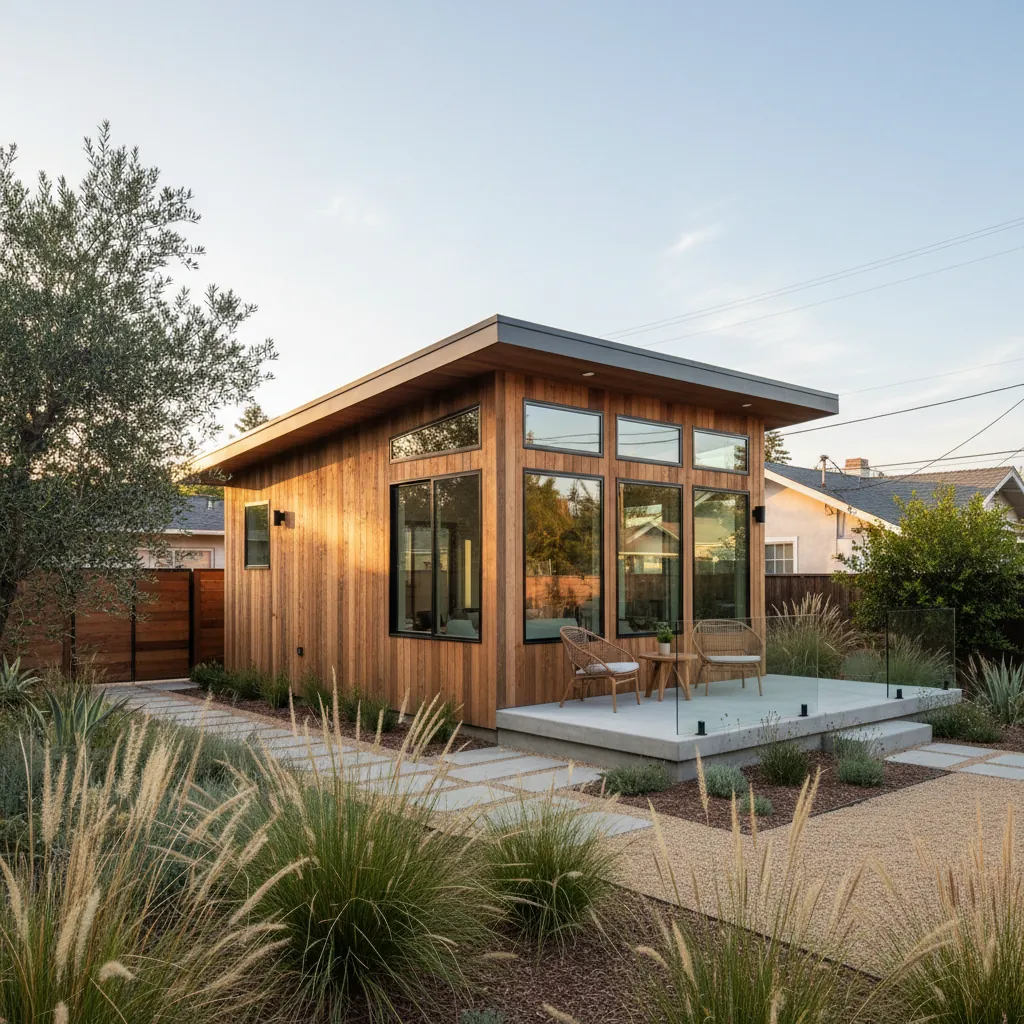
Typical Atwater Village costs, permit steps and timelines are below. When you are ready, describe your project and up to four local ADU builders serving Atwater Village will contact you. You compare and decide.
Site assessment and property boundary verification to determine maximum ADU footprint and setbacks.
Geotechnical soil testing to engineer a foundation suitable for Atwater's alluvial soil.
Architectural drafting and structural engineering compliant with City of Los Angeles building codes.
Submitting plans and securing permits through the Los Angeles Dept. of Building and Safety (LADBS).
Site preparation, foundation pouring, and utility hookups including LADWP electrical upgrades.
Final framing, interior finishing, and municipal inspections to secure the Certificate of Occupancy.
Converting an existing Spanish or Tudor garage in Atwater often requires reinforcing the old slab or retrofitting framing to meet current seismic and LADBS requirements.
Reflects local labor, high-quality materials, and the deep, reinforced footings required for soft alluvial soils near the river.
Includes City of LA plan check, school district fees, soil report, and structural engineering tailored to Atwater's seismic and soil profile.
Typical market ranges for the Greater Los Angeles area, not a quote or a guarantee. The price of your job depends on its scope, so ask each pro for a written estimate before you decide. Bars share one scale, so you can compare project sizes.
Nestled along the east bank of the Los Angeles River, Atwater Village properties offer unique opportunities for expanding living space with a custom accessory dwelling unit. Whether you want to house family members or generate rental income, building an ADU in the 90039 ZIP code requires navigating specific local zoning and environmental factors. We connect you with local contractors who understand how to transform your backyard while honoring the neighborhood's historic charm.
Because Atwater Village sits on the flat terrain of the Los Angeles River's historical floodplain, residential properties here feature soft, sandy alluvial soil.
Building a stable ADU foundation here requires careful structural engineering and soil assessment to prevent settling, especially during wet winters. Additionally, being in close proximity to the river means managing runoff to comply with City of Los Angeles low-impact development standards before the Los Angeles Dept. of Building and Safety (LADBS) will issue your building permit.
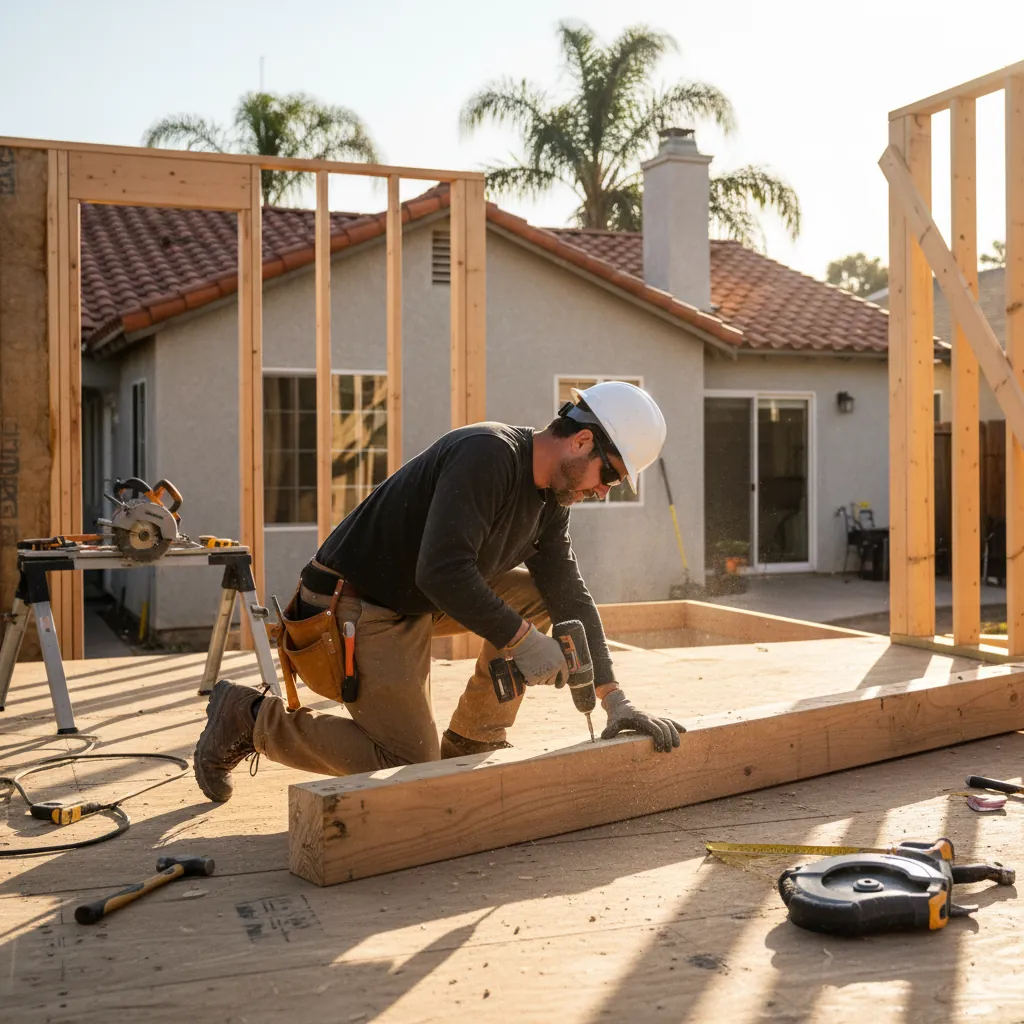
ContractorPro.Leads doesn't do the work itself. We pass your Atwater Village project to up to four local ADU builders who take this kind of job, and you decide whether to hire any of them.
From the bustling commercial strip along Glendale Boulevard to the quiet, tree-lined residential blocks stretching toward the Los Angeles River Greenway, Atwater Village boasts a distinct architectural identity dominated by 1920s Spanish bungalows and Tudor cottages. Navigating local setback requirements and preserving the mature citrus trees or backyard privacy that defines living near Griffith Park is essential. Local builders ensure your new ADU integrates seamlessly with both your existing home and the neighborhood's historic aesthetic.
Tell us what you have in mind. We'll pass it to up to four local pros, and they'll contact you to talk it through.
Plan check through the Los Angeles Dept. of Building and Safety typically takes 3 to 6 months. Using an approved LADBS Standard Plan can significantly shorten this timeline, though site-specific engineering for Atwater's riverbed soil is still required.
Yes, because of the alluvial soil along the east bank of the LA River, standard shallow footings may not be sufficient. Structural engineers often recommend deeper, reinforced footings to prevent settling, which can add some material and labor costs to the excavation phase.
Absolutely. LADWP offers various rebates for energy-efficient appliances, heat-pump systems, and water-conserving landscaping. Local pros can help you design the ADU to maximize these rebates while ensuring compliance with local summer watering limits.
While Atwater Village has historic character, it does not have a formal HPOZ (Historic Preservation Overlay Zone) across the entire neighborhood. However, local builders design ADUs to complement the classic Spanish Revival and Craftsman architectural styles to preserve property values and neighborhood aesthetic.
Under California law, ADUs generally do not require a separate water meter from LADWP, but your contractor must ensure the main water line has adequate flow rate and pressure to support both units, which is especially important on older 90039 properties.
