Typical Highland Park costs, permit steps and timelines are below. When you are ready, describe your project and up to four local landscapers serving Highland Park will contact you. You compare and decide.
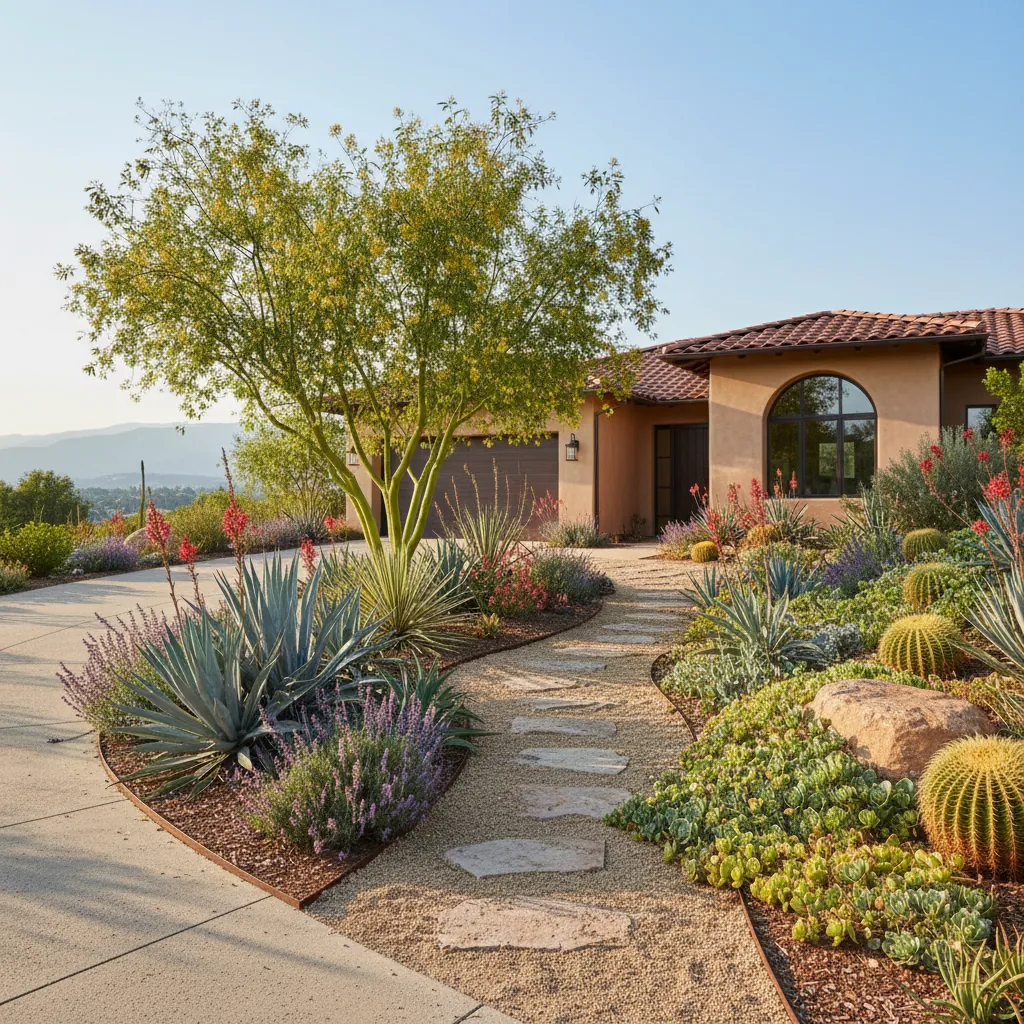
Highland Park’s historic Craftsman bungalows and mid-century hillside homes deserve outdoor spaces that honor their unique architectural character. These local experts design custom yards that thrive in our specific Northeast LA microclimate while respecting local water guidelines.
Landscaping in Highland Park requires navigating the steep slopes of our surrounding hillsides and the sandy, rocky alluvial soils of the Arroyo Seco basin.
Contractors must balance the region's hot, dry summers with erosion control measures, choosing deep-rooted native plants that stabilize the earth. Furthermore, major hardscaping, retaining walls, or significant grading on our hillsides requires careful compliance with the Los Angeles Department of Building and Safety (LADBS) to ensure long-term structural safety.
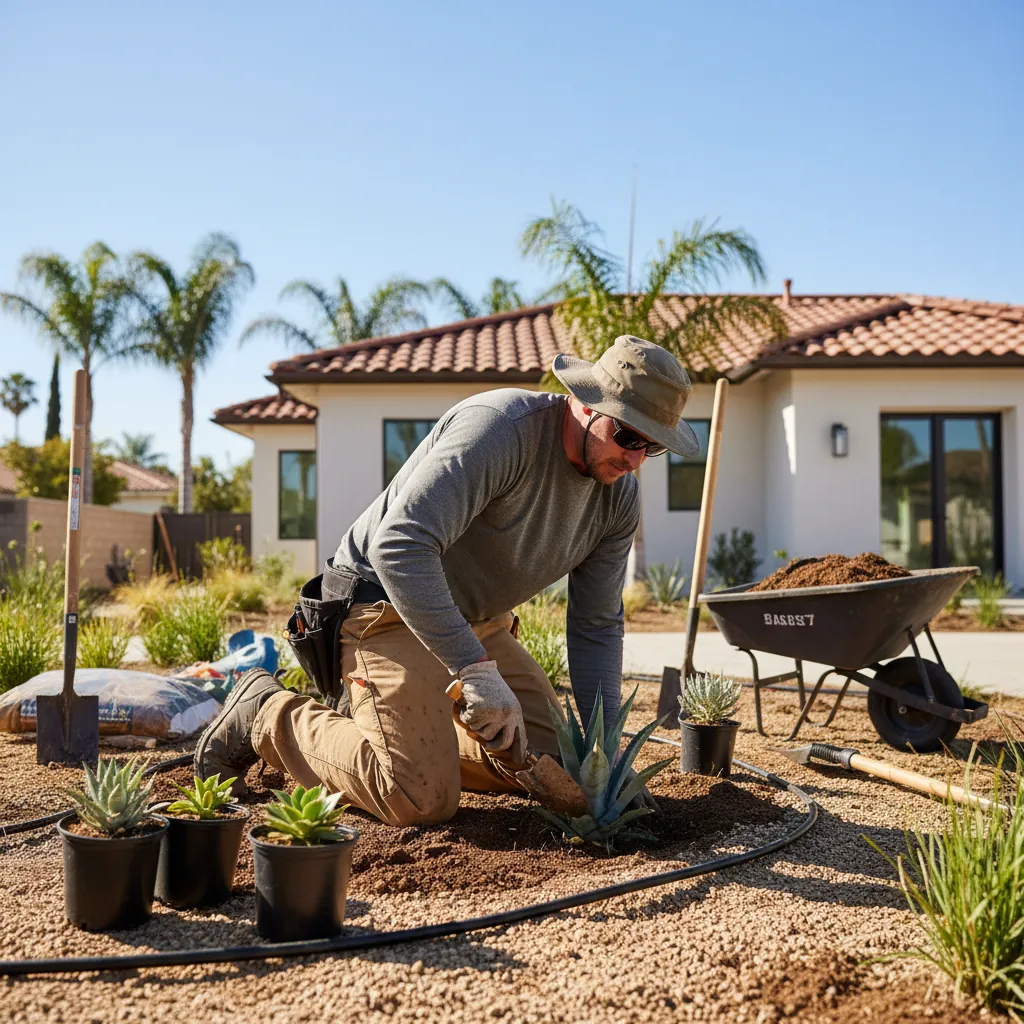
Cost varies based on yard square footage and the choice of native plants versus hardscape elements. This often qualifies for LADWP cash-back rebates.
Essential for terracing steep Highland Park slopes. Prices depend on height, engineering requirements, and ease of access for heavy equipment.
Typically includes modern decomposed granite pathways, drip irrigation, and a mix of low-water California native shrubs for a standard 90042 lot.
A full transformation for larger properties, integrating custom lighting, patios, hillside terracing, and native flora.
Typical market ranges for the Greater Los Angeles area, not a quote or a guarantee. The price of your job depends on its scope, so ask each pro for a written estimate before you decide. Bars share one scale, so you can compare project sizes.
Initial site assessment evaluating hillside slope, soil drainage, and solar exposure
Custom landscape design drafting, including drought-tolerant plant palettes and hardscape layouts
LADWP rebate eligibility review and pre-approval application filing for turf removal
Permit acquisition through LADBS for retaining walls, grading, or protected tree removal if necessary
Soil amendment and professional grading to optimize irrigation and manage storm runoff
Planting, hardscape construction, and high-efficiency drip irrigation system installation
ContractorPro.Leads doesn't do the work itself. We pass your Highland Park project to up to four local landscapers who take this kind of job, and you decide whether to hire any of them.
From the historic properties near Sycamore Grove Park to the vibrant residential yards branching off York Boulevard and Figueroa Street, Highland Park boasts a rich tapestry of garden styles. Local landscaping professionals draw inspiration from the natural oak-lined arroyos, blending modern drought-tolerant aesthetics with the neighborhood's artistic, historic charm. They design low-maintenance front yards that enhance curb appeal along busy walking corridors while creating private, terraced retreats on the steeper residential hillside lots.
Tell us what you have in mind. We'll pass it to up to four local pros, and they'll contact you to talk it through.
Yes, if the tree is a protected Southern California native species (such as the Coast Live Oak or Western Sycamore) and measures four inches or more in cumulative diameter. A permit from the City of Los Angeles Urban Forestry Division is required before removal or significant pruning.
The City of Los Angeles enforces specific outdoor watering days and hours based on your address. Local landscape pros design high-efficiency drip systems and choose low-water native plants that easily thrive within these strict conservation limits.
Simple hardscaping or minor retaining walls under four feet may not require structural permits. However, for larger terracing projects on Highland Park hillsides, plan checks through the Los Angeles Department of Building and Safety typically take 4 to 8 weeks.
Absolutely. Through the LADWP Turf Replacement Program, Highland Park residents can receive significant rebates per square foot for replacing turf grass with sustainable, low-water landscaping, native plants, and permeable pathways.
Highland Park's soil ranges from sandy, fast-draining alluvial deposits near the Arroyo Seco to dense, rocky clay on the hillsides. Local contractors must test and amend the soil properly to ensure native plants establish deep root systems capable of surviving the dry summer.
