Typical Highland Park costs, permit steps and timelines are below. When you are ready, describe your project and up to four local paver installers serving Highland Park will contact you. You compare and decide.
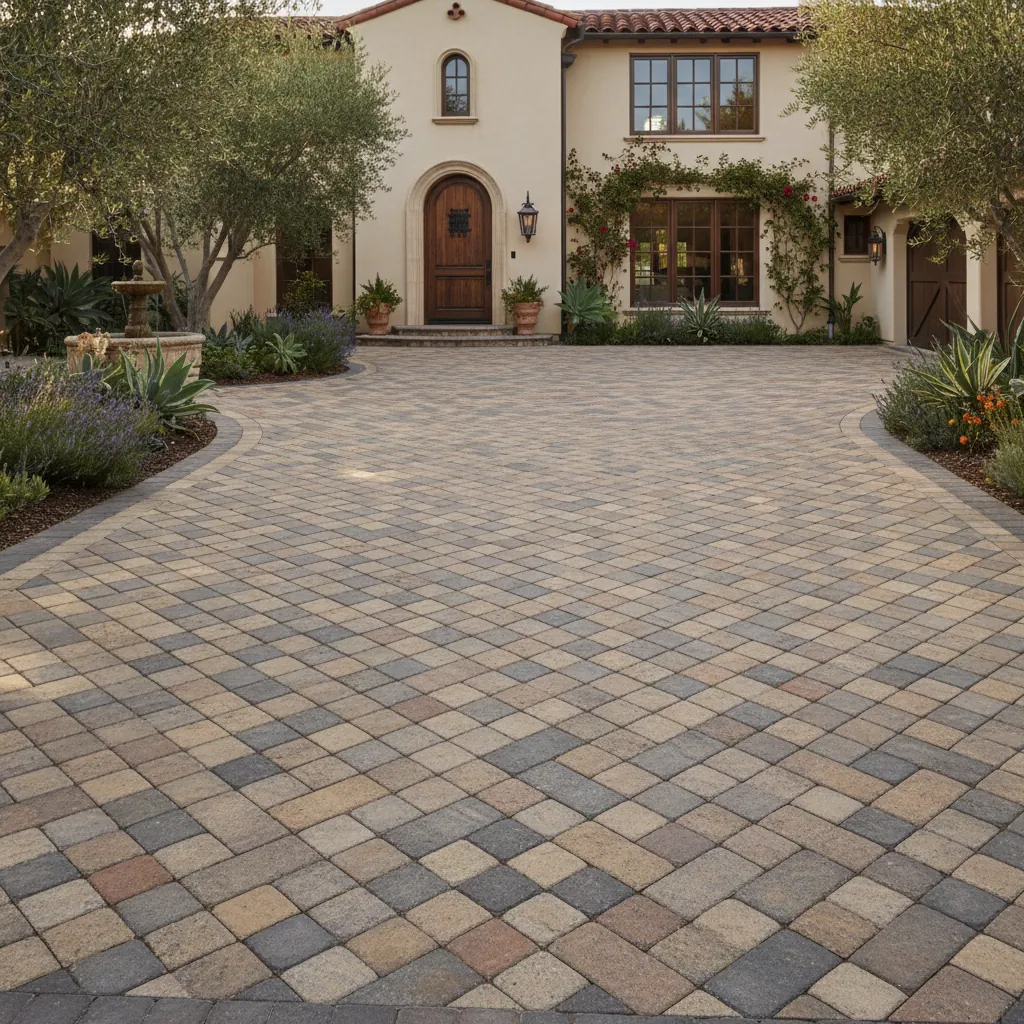
Includes basic excavation, base preparation, and standard interlocking concrete pavers on flat terrain.
Requires deeper excavation and specialized open-graded aggregate layers to manage stormwater runoff, often qualifying for LADWP rebates.
Reflects the additional labor, manual hauling, and potential retaining edge-work required for sloped properties in the Highland Park hills.
Typical market ranges for the Greater Los Angeles area, not a quote or a guarantee. The price of your job depends on its scope, so ask each pro for a written estimate before you decide.
From the historic Craftsman homes near York Boulevard to the hillside properties overlooking the Arroyo Seco, Highland Park yards require hardscaping that balances vintage character with modern structural integrity. We connect you with local hardscaping contractors who understand how to design and install beautiful, enduring paver patios, driveways, and walkways in ZIP code 90042. These local specialists ensure your outdoor living space matches the unique artistic and historic charm of Northeast LA.
Highland Park’s terrain transitions rapidly from the flat alluvial soils of the Arroyo Seco valley to steep, shifting hillside slopes.
These unstable clay-rich or sandy alluvial soils, combined with intense summer heat and occasional heavy winter downpours, mean that improper base preparation will quickly lead to shifting, cracking, or sinking pavers. Ensuring deep soil compaction and proper drainage is critical here, especially on sloped lots where runoff must be carefully managed to prevent erosion and comply with City of Los Angeles low-impact development standards.
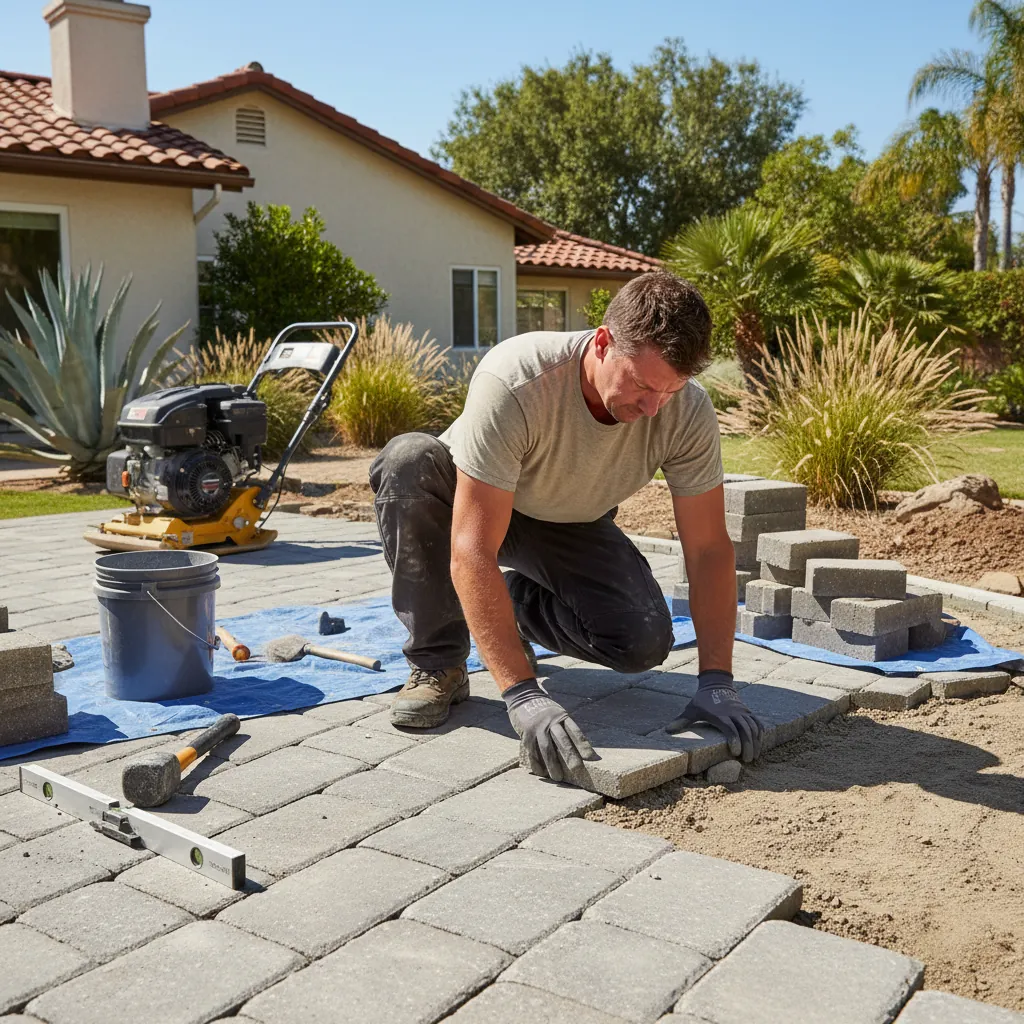
Site assessment to evaluate slope, soil type, and drainage patterns
Excavation to the proper depth, factoring in soil stability and load requirements
Installation of a heavy-duty geotextile soil-separation fabric
Spreading and mechanical compaction of the crushed aggregate base layer
Setting of edge restraints to prevent lateral shifting of the pavers
Screeding the bedding sand, laying the pavers, and sweeping joint sand to lock them in place
ContractorPro.Leads doesn't do the work itself. We pass your Highland Park project to up to four local paver installers who take this kind of job, and you decide whether to hire any of them.
Whether you are updating a bungalow garden steps from the bustling shops on Figueroa Street, restoring a historic property near Sycamore Grove Park, or leveling a terraced hillside yard off York Blvd, local paving professionals design installations that respect the neighborhood's unique topography. They balance the aesthetic of classic red-brick charm with modern permeable pavers that help capture runoff, keeping your property secure and beautiful through hot, dry summers and winter rains.
Tell us what you have in mind. We'll pass it to up to four local pros, and they'll contact you to talk it through.
Generally, standard grade-level paver patios and walkways do not require a building permit from LADBS. However, if your project involves structural retaining walls over four feet tall, significant hillside grading, or a new driveway apron crossing the public right-of-way, formal permits and plans are required.
Yes. The Los Angeles Department of Water and Power (LADWP) offers turf replacement rebates that allow for permeable hardscapes like permeable pavers. To qualify, the installation must allow rainwater to easily infiltrate back into the ground rather than running off into the street.
The alluvial soils near the Arroyo Seco can be highly sandy and prone to shifting when wet. Experienced local contractors compensate for this by digging a slightly deeper sub-grade and using a high-quality geotextile fabric to stabilize the soil beneath the sub-base, ensuring the pavers remain flat and secure for decades.
While pavers can be installed year-round in our mild climate, the dry season between May and October is highly ideal. Soil excavation and compaction are much easier and more precise when the ground isn't saturated by winter rains.
A standard 500-square-foot patio on flat ground usually takes 3 to 5 days. Hillside properties with limited access or steep slopes off York or Figueroa may require extra time for manual excavation and material transport.
