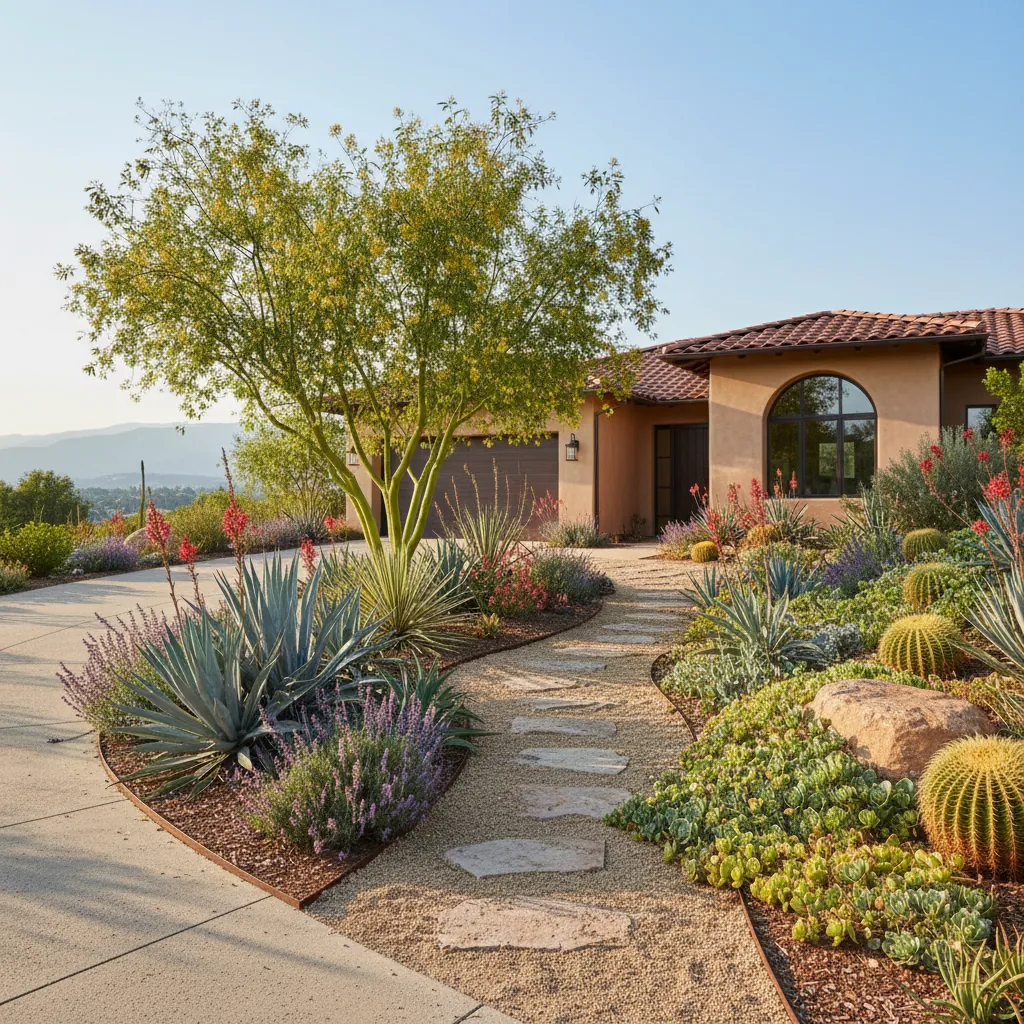
Typical Hollywood Hills costs, permit steps and timelines are below. When you are ready, describe your project and up to four local landscapers serving Hollywood Hills will contact you. You compare and decide.
Managing a landscape above the Los Angeles basin requires a delicate balance of aesthetic vision and structural engineering. Properties in the historic canyons and ridges of the 90068 ZIP code demand specialized care to thrive amid challenging slopes and strict local environmental guidelines.
Designing gardens in the Hollywood Hills means working with steep slopes, shallow bedrock, and highly regulated hillside grading zones.
Any significant retaining wall, terracing, or structural hardscaping must navigate the City of Los Angeles Department of Building and Safety (LADBS) permitting process, which frequently requires geological reports and engineered foundations. Additionally, all plantings must be carefully selected to anchor shifting hillside soils while strictly adhering to LAFD's high-fire-danger brush clearance mandates.
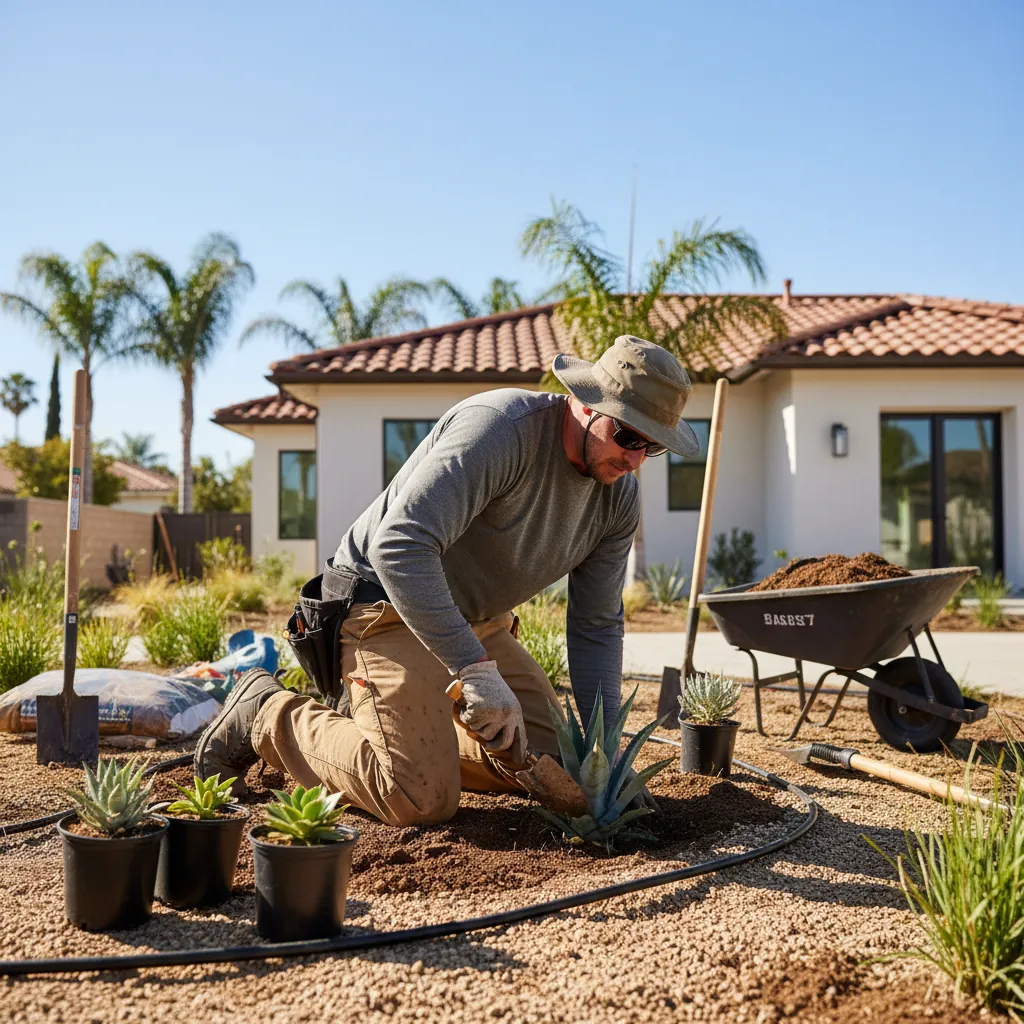
High costs reflect the necessity of engineered concrete footings, structural steel, and the manual labor required to transport materials on steep, narrow canyon lots.
Includes slope-stabilizing groundcovers, drought-tolerant shrubs, and organic mulch to protect the soil from winter erosion.
A critical investment to prevent water pooling, which can destabilize hillside soils, while remaining fully compliant with LADWP watering limits.
Typical market ranges for the Greater Los Angeles area, not a quote or a guarantee. The price of your job depends on its scope, so ask each pro for a written estimate before you decide. Bars share one scale, so you can compare project sizes.
Initial site assessment, topographic evaluation, and slope-stability analysis
Development of fire-safe landscape layouts and native plant palettes
Geotechnical review and structural engineering for retaining walls if required
Submitting plans to LADBS and securing necessary hillside grading permits
Precision excavation and installation of heavy-duty drainage systems
Planting, low-flow drip irrigation setup, and final brush clearance check
ContractorPro.Leads doesn't do the work itself. We pass your Hollywood Hills project to up to four local landscapers who take this kind of job, and you decide whether to hire any of them.
From the shaded, historic enclaves of Beachwood Canyon to the sun-exposed ridges along Mulholland Dr, the microclimates of the Hollywood Hills vary dramatically. A property near Lake Hollywood benefits from cooler, sheltered canyon pockets, whereas a home perched high on a ridge demands wind-resistant, highly drought-tolerant plantings. Local landscape contractors design with these distinct micro-zones in mind, utilizing deeply rooting native plants that secure the hillside without obstructing your iconic canyon views.
Tell us what you have in mind. We'll pass it to up to four local pros, and they'll contact you to talk it through.
Yes. Because of the steep terrain and landslide risks in the Hollywood Hills, the Los Angeles Department of Building and Safety (LADBS) requires building permits and structural engineering for almost all retaining walls, particularly those on slopes or supporting a hillside.
The Hollywood Hills are in a High Fire Hazard Severity Zone. Your landscaping must feature a 100-foot defensible space, with low-growing, drought-resistant plants near the home and strict spacing of mature trees to prevent fire from climbing to canopy level.
Yes, LADWP offers substantial rebates per square foot for turf replacement. The local contractors we connect you with can design a California-friendly landscape that meets all LADWP rebate requirements.
Simple planting plans don't need permits, but structural hillside work requiring LADBS review and geologic reports can take anywhere from 3 to 6 months to approve due to strict environmental and safety checks.
Limited street parking and narrow access routes mean heavy machinery often cannot reach the site. Contractors must rely on manual labor, smaller equipment, or cranes, which can increase overall labor and logistical costs.
