Typical Hollywood Hills costs, permit steps and timelines are below. When you are ready, describe your project and up to four local concrete contractors serving Hollywood Hills will contact you. You compare and decide.
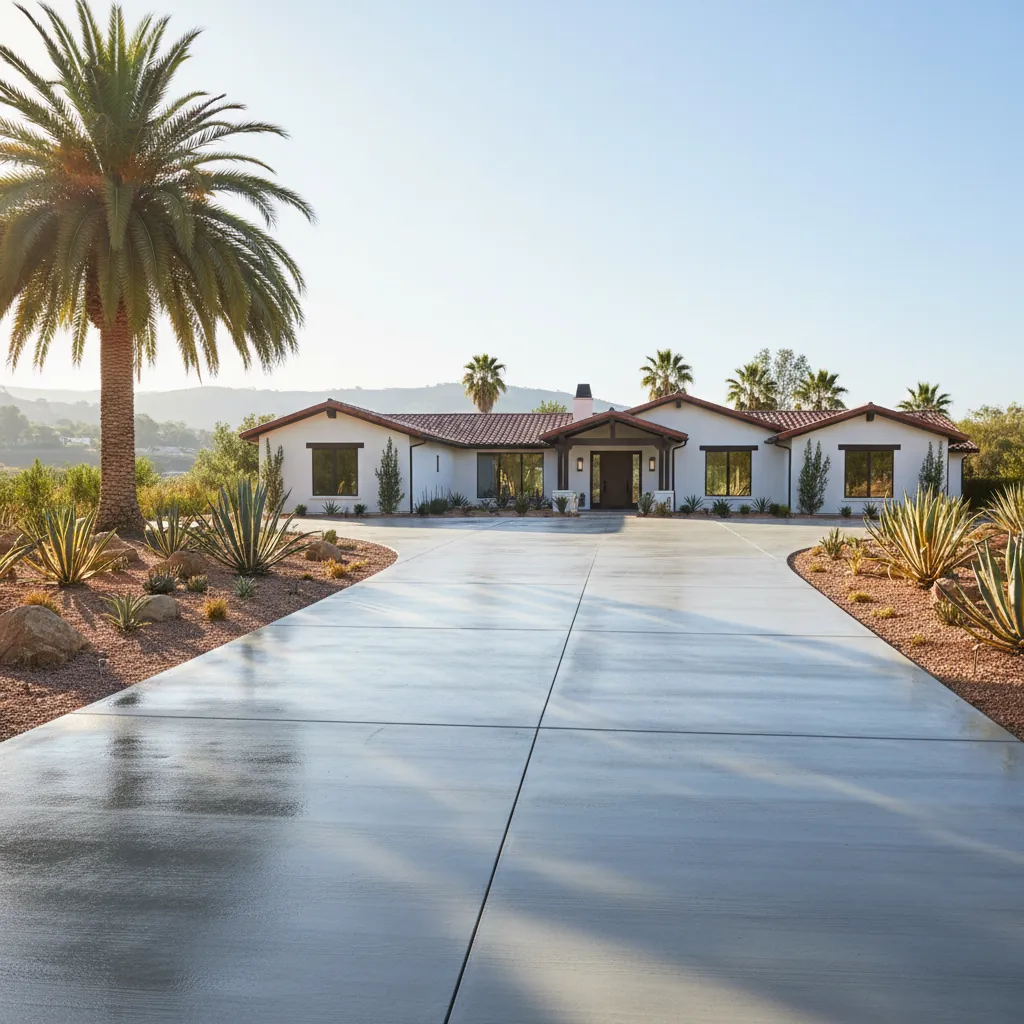
Conducting a thorough site and slope assessment, including soil evaluation
Developing engineered structural plans for LADBS permit submission
Securing street-use permits for concrete mixers and pump trucks on narrow roads
Excavating to bedrock and installing heavy-duty steel rebar reinforcement
Pouring and vibrating the concrete to eliminate voids in complex forms
Applying proper curing compounds and installing integrated drainage systems
Costs are driven by steep slopes, required steel reinforcement, deep footing excavation, and manual labor in hard-to-reach areas.
Access challenges on winding streets and the need for long-distance concrete pumping can increase labor costs compared to flatland installations.
Often required for older homes on hillsides to anchor them into stable bedrock, requiring engineering reports and LADBS grading permits.
Typical market ranges for the Greater Los Angeles area, not a quote or a guarantee. The price of your job depends on its scope, so ask each pro for a written estimate before you decide.
Maintaining structural integrity on the steep, iconic slopes of the Hollywood Hills requires specialized concrete expertise. From foundational retrofits to architectural retaining walls, navigating the unique geography of the 90068 ZIP code demands a precise, highly engineered approach. We connect you with local concrete contractors who understand how to work safely and effectively within these historic hillside neighborhoods.
The steep hillside lots of the Hollywood Hills feature complex soils and underlying bedrock that require specialized engineering and geology reports before any concrete is poured.
The Los Angeles Department of Building and Safety (LADBS) enforces strict structural and drainage mandates to prevent erosion, especially during winter rains. Standard flatland concrete techniques do not apply on these high-consequence slopes, where retaining walls literally secure your home's foundation.
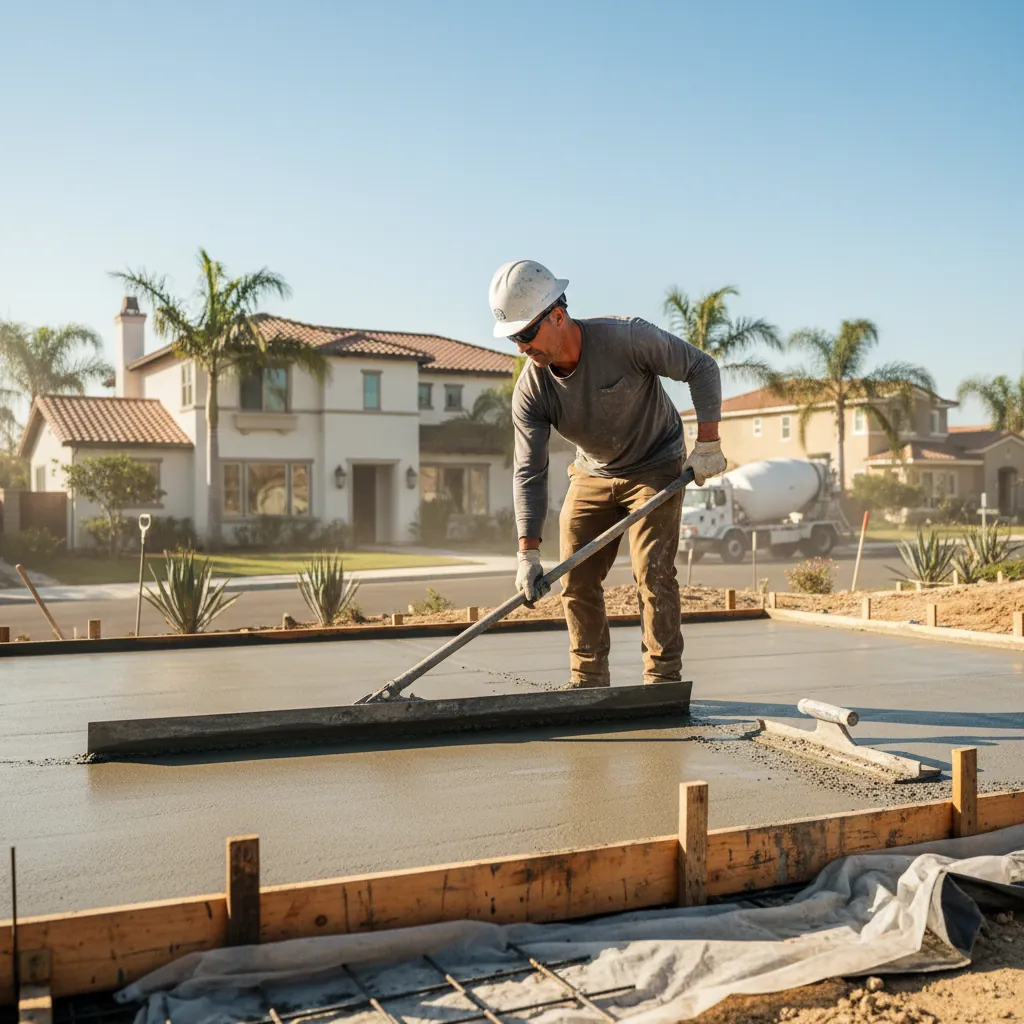
ContractorPro.Leads doesn't do the work itself. We pass your Hollywood Hills project to up to four local concrete contractors who take this kind of job, and you decide whether to hire any of them.
Whether you are securing a hillside terrace near Lake Hollywood, restoring a historic property in Beachwood Canyon, or managing a complex access project along winding Mulholland Drive, local logistics are half the battle. Narrow, winding streets require careful coordination for concrete transit mixers, and experienced local contractors know exactly how to manage staging and pumping in these tight corridors without disrupting the neighborhood.
Tell us what you have in mind. We'll pass it to up to four local pros, and they'll contact you to talk it through.
Because the Hollywood Hills fall within a designated Hillside Grading Area, plans must be submitted to the Los Angeles Department of Building and Safety (LADBS). Expect the plan check and permitting process to take anywhere from 8 to 12 weeks, as it typically requires structural engineering calculations and a geology or soils report.
Yes. Streets like those in Beachwood Canyon or off Mulholland Drive are highly restricted. Your contractor will need to coordinate with the City of Los Angeles for temporary street-use or lane-closure permits, and often must utilize specialized line pumps rather than large boom trucks.
Terrain is the primary cost driver in the 90068 ZIP code. Steep slopes require deeper footings, massive steel rebar cages, specialized pumping equipment, and extra manual labor to transport materials where heavy machinery cannot safely reach.
During extreme Red Flag Warning days in the fall, the LAFD and LADBS may restrict certain hot-work operations or heavy equipment usage in the Hollywood Hills. Contractors must monitor these conditions and plan pours to avoid safety shutdowns.
While LADWP enforces outdoor watering limits, proper concrete curing is exempt from standard restriction schedules to ensure structural integrity. Professional contractors use specialized curing compounds to lock in moisture, minimizing water waste while achieving full structural strength.
