Typical Toluca Lake costs, permit steps and timelines are below. When you are ready, describe your project and up to four local concrete contractors serving Toluca Lake will contact you. You compare and decide.
Site assessment mapping local tree roots and evaluating soil stability near the high water table.
Excavation and deep grading to establish a stable, well-draining gravel sub-base.
Setting up strong wooden or flexible forms with integrated steel rebar reinforcement.
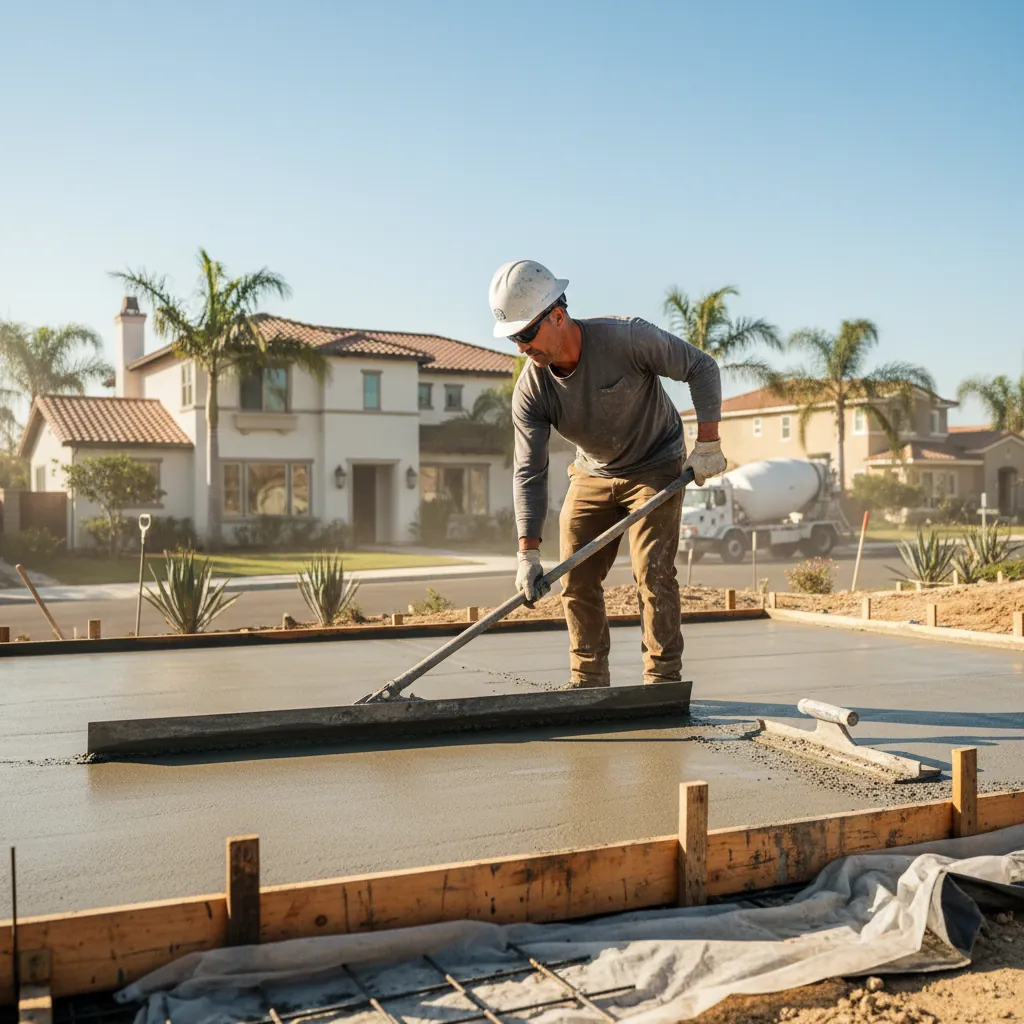
Precise concrete pouring and leveling, keeping the mix hydrated under the hot Valley sun.
Professional finishing, texturing, and cutting expansion joints to prevent future cracking.
Post-pour curing management and application of a protective sealant to resist oil and UV damage.
Reflects standard excavation, sub-base preparation for alluvial soil, and standard reinforcement.
Varies based on decorative finishes, stamping, or integration with existing Toluca Lake landscaping.
Higher costs reflect LADBS engineering standards required for structural stability in high water table areas near the river.
Typical market ranges for the Greater Los Angeles area, not a quote or a guarantee. The price of your job depends on its scope, so ask each pro for a written estimate before you decide.
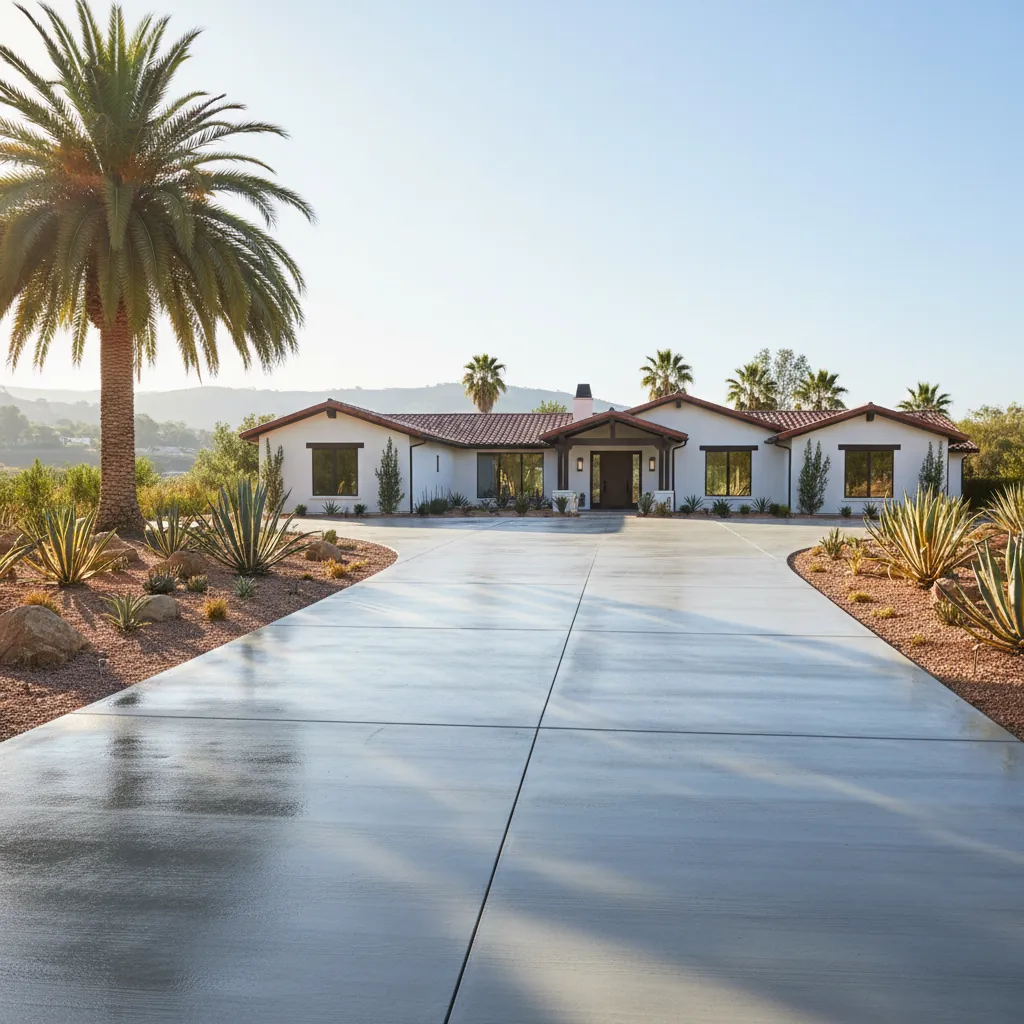
Toluca Lake's historic properties and quiet residential streets require a delicate, highly skilled approach to hardscaping. We connect you with local concrete specialists who understand the unique structural demands of the San Fernando Valley. Whether you are updating a classic mid-century driveway or installing a custom pool deck, these local professionals deliver durable, beautifully finished installations.
Because Toluca Lake sits on the flat Valley floor near the Los Angeles River, the soil consists of soft alluvial river-bottom deposits coupled with a high local water table.
Without properly engineered footings and thick, reinforced sub-bases, poured concrete in this area is highly prone to shifting, cracking, and sinking. Furthermore, the intense summer heat of the San Fernando Valley accelerates concrete curing, requiring expert moisture management to prevent surface scaling.
ContractorPro.Leads doesn't do the work itself. We pass your Toluca Lake project to up to four local concrete contractors who take this kind of job, and you decide whether to hire any of them.
From the elegant estates bordering Lakeside Golf Club to the pedestrian-friendly properties near Toluca Lake Village and Riverside Dr, the neighborhood's aesthetic demands flawless, enduring concrete work. Local properties often feature classic Spanish Colonial Revival or traditional mid-century designs where driveways and patios must blend seamlessly with mature sycamores and manicured lawns. Maintaining this historic charm requires concrete installations that respect local root structures and historical guidelines.
Tell us what you have in mind. We'll pass it to up to four local pros, and they'll contact you to talk it through.
Yes, replacement or expansion of driveways and major flatwork typically requires a permit from the Los Angeles Department of Building and Safety (LADBS). If the driveway crosses the public right-of-way, a separate 'A-Permit' from the LA Bureau of Street Services is also required.
The neighborhood's soft, alluvial river-bottom soil and high water table can cause unreinforced concrete to sink or crack over time. Local contractors prevent this by digging deeper sub-bases, using thick crushed rock bases, and heavily reinforcing the concrete with steel rebar.
Yes, the Los Angeles Department of Water and Power (LADWP) occasionally offers rebates for turf replacement and residential parkway transformations. Replacing solid concrete with permeable pavers or pervious concrete that allows water to infiltrate the ground can align with these conservation programs.
For standard residential flatwork or driveways, LADBS can often issue 'Express Permits' online or over the counter within 1 to 3 business days. More complex projects requiring engineered structural footings near property lines may take 2 to 4 weeks for plan check.
Late fall through early spring is ideal, as the mild Valley winters prevent the concrete from drying too fast. If pouring during the hot summer months, local contractors typically pour in the early morning and use curing blankets or misting to keep the concrete damp while it sets.
