Typical Toluca Lake costs, permit steps and timelines are below. When you are ready, describe your project and up to four local patio cover builders serving Toluca Lake will contact you. You compare and decide.
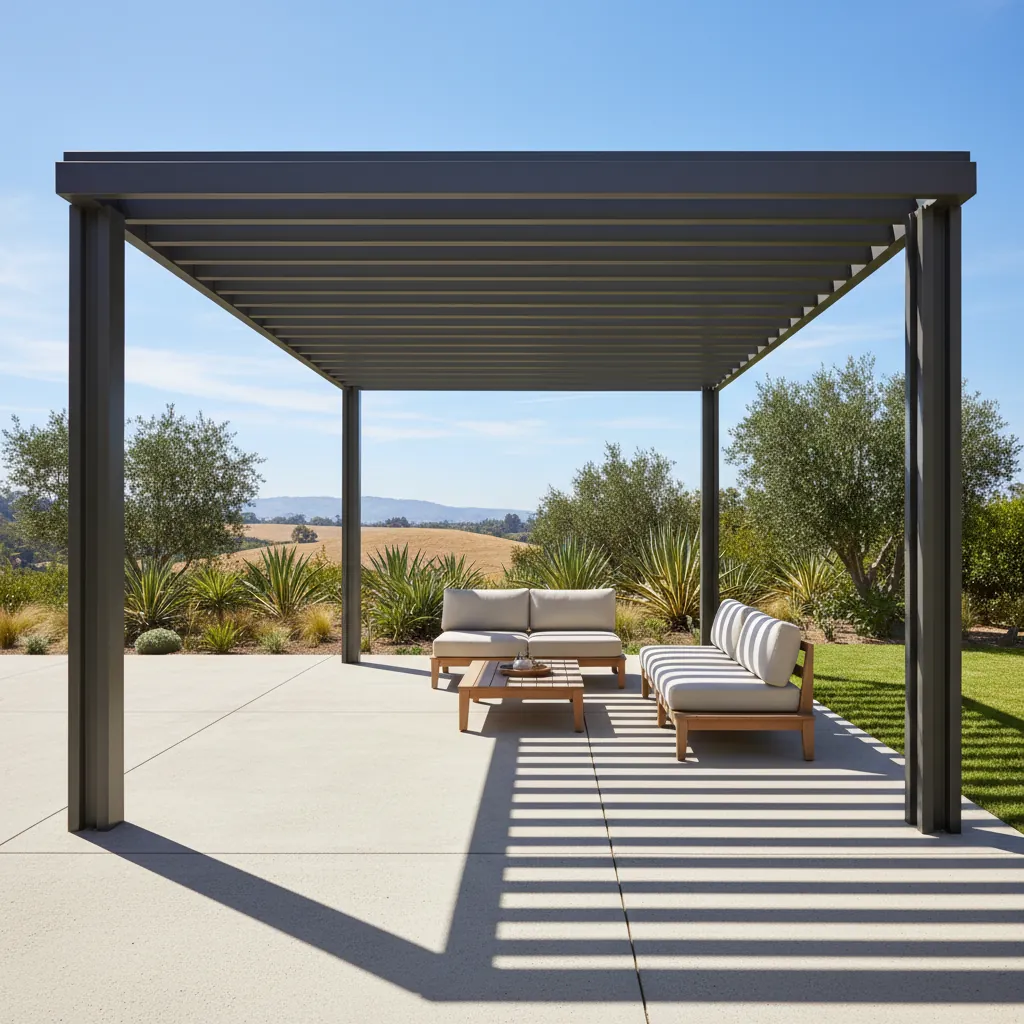
Nestled in the flat, leafy streets of Toluca Lake, outdoor living is a year-round pleasure that requires proper relief from the intense San Fernando Valley sun. From insulated solid covers to classic open-beam wood pergolas, local builders design solutions tailored to your backyard layout.
Because Toluca Lake sits on the flat Valley floor adjacent to the Los Angeles River, the high local water table and soft alluvial river-bottom soils demand careful engineering.
Standard post installations can shift or sink over time without deeply poured, engineered concrete footings. Additionally, any structural patio cover must be carefully built to navigate the strict wind-load and setback guidelines enforced by the Los Angeles Department of Building and Safety (LADBS).
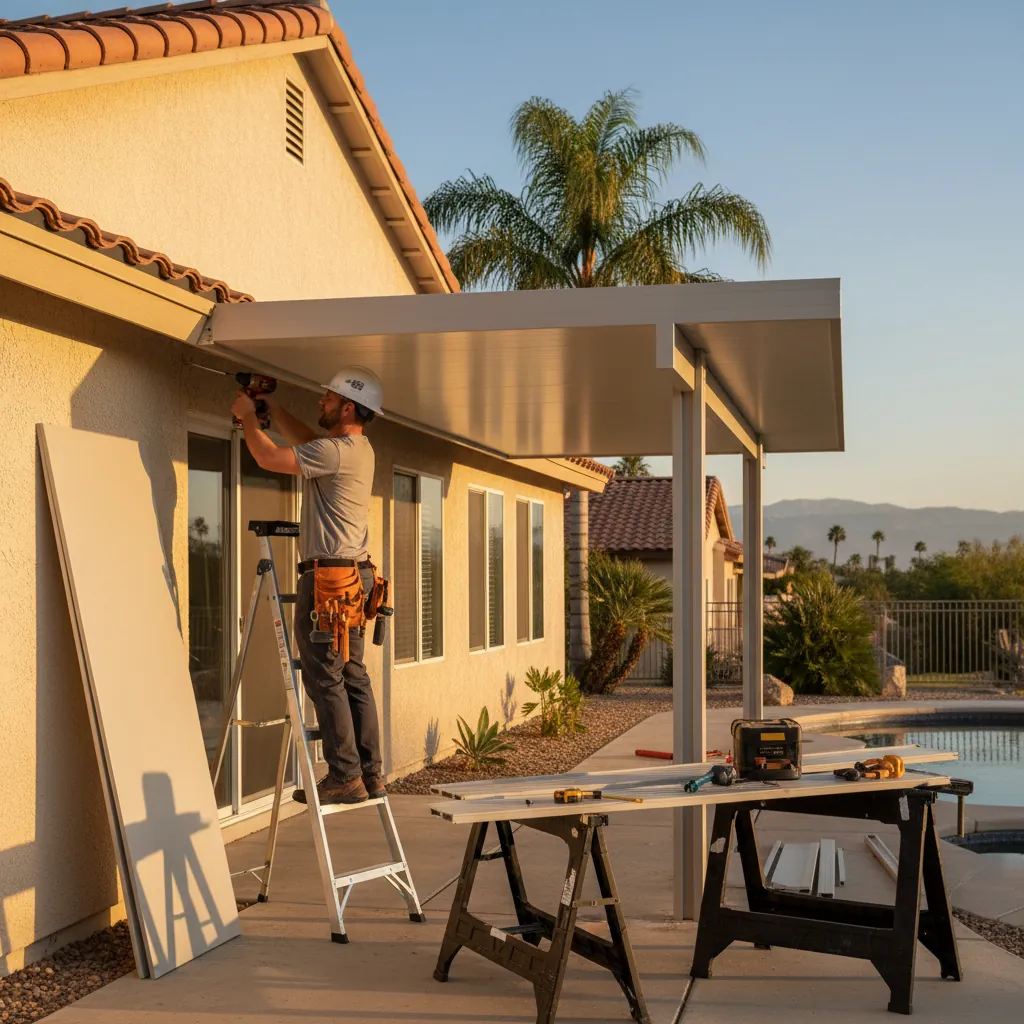
Reflects the premium Douglas fir or redwood materials and custom carpentry required to match traditional Toluca Lake estate architecture.
A highly durable choice in the Valley due to its complete resistance to termites, rot, and high summer temperatures.
Often necessary for homes near the Los Angeles River basin to secure structural posts deep within the soft, sandy alluvial soil.
Typical market ranges for the Greater Los Angeles area, not a quote or a guarantee. The price of your job depends on its scope, so ask each pro for a written estimate before you decide. Bars share one scale, so you can compare project sizes.
Conduct a thorough site and soil assessment to determine footing depth based on Toluca Lake's alluvial soil profile.
Draft detailed structural blueprints including wind-load and seismic calculations for LADBS review.
Acquire all necessary building and zoning permits from the City of Los Angeles.
Excavate and pour deep, steel-reinforced concrete footings designed to withstand high water table shifts.
Erect the primary support posts, beams, and rafters using premium, weather-resistant materials.
Install integrated features such as recessed LED lighting, outdoor ceiling fans, or gutter drainage systems.
ContractorPro.Leads doesn't do the work itself. We pass your Toluca Lake project to up to four local patio cover builders who take this kind of job, and you decide whether to hire any of them.
Whether your home is a mid-century ranch near the iconic Lakeside Golf Club or a secluded estate just blocks from the bustling shops and cafes along Riverside Dr, your outdoor space should feel like a natural extension of your home. The upscale, refined character of Toluca Lake Village demands high-quality craftsmanship and enduring materials that complement the neighborhood's distinct architectural charm rather than basic, off-the-shelf kits.
Tell us what you have in mind. We'll pass it to up to four local pros, and they'll contact you to talk it through.
Yes, the Los Angeles Department of Building and Safety (LADBS) requires permits for most structural patio covers. However, certain small, lightweight, detached shade structures under 120 square feet may be exempt from building permits, though local zoning setbacks still apply.
Standard, pre-approved patio designs can often be approved over-the-counter at an LADBS district office. Custom architectural designs or projects requiring specific soil engineering due to the Toluca Lake water table can take 4 to 8 weeks for a complete plan check.
The neighborhood sits on soft alluvial river-bottom soil with a high water table. This means simple, shallow concrete pads are rarely sufficient; experienced local contractors dig deeper, steel-reinforced concrete footings to prevent the structure from tilting or sinking over time.
While a patio cover doesn't directly reduce water bills, incorporating integrated gutter systems that channel rainwater into rain barrels allows you to collect water for use during LADWP's summer outdoor watering restrictions. Shading your patio also reduces evaporation from nearby potted plants.
Aluminum and high-grade Alumawood are highly recommended for the hot, dry Valley climate. Unlike natural wood, they will not warp, crack, or require frequent repainting under the intense Southern California UV rays, saving you significant maintenance costs.
