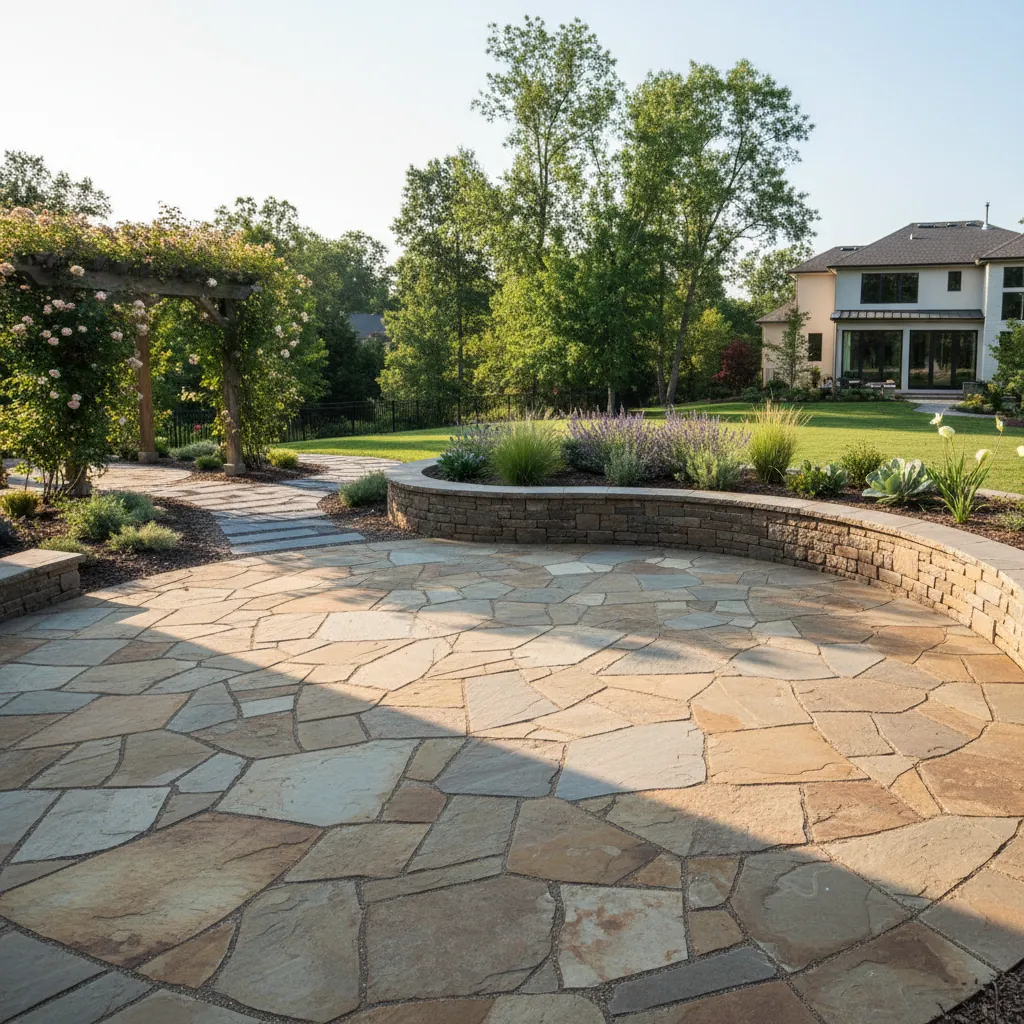
Typical Silver Lake costs, permit steps and timelines are below. When you are ready, describe your project and up to four local hardscape contractors serving Silver Lake will contact you. You compare and decide.
Enhancing an outdoor living space in Silver Lake requires a deep respect for our neighborhood's iconic, sloping geography. From mid-century modern view decks to terraced garden pathways, the right hardscaping turns steep terrain into functional, elegant living areas. We connect you with local hardscaping specialists who are deeply familiar with the unique architectural and geological character of the 90026 ZIP code.
The steep hills and winding streets surrounding the Silver Lake Reservoir present distinct engineering challenges, featuring complex hillside soils that demand properly engineered retaining walls and deep footings.
In addition, the Los Angeles Department of Building and Safety (LADBS) enforces strict structural and grading codes to mitigate seismic and landslide risks in these hillside zones. Skipping proper engineering or permitting in these vulnerable soils can lead to costly structural failures during winter rains.
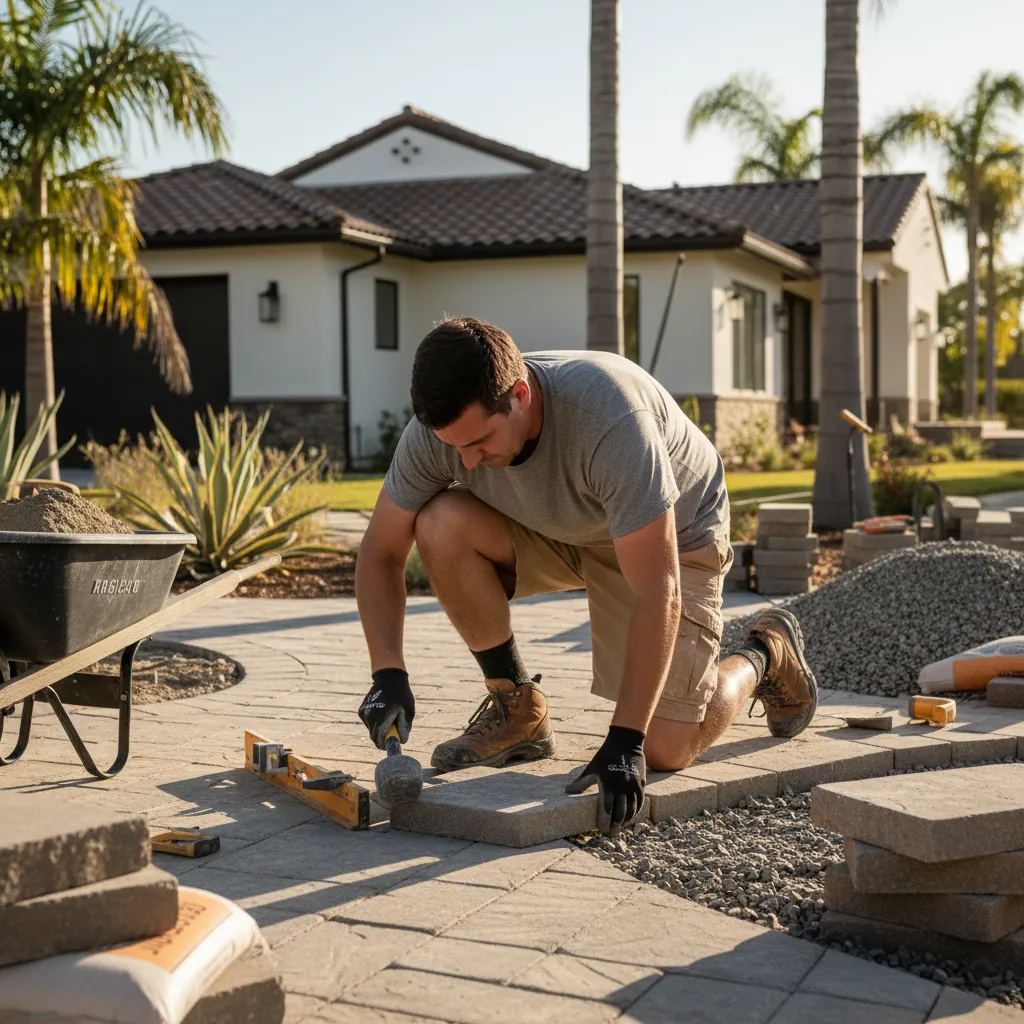
Cost varies based on site accessibility, slope gradient, and the need for grading or leveling on Silver Lake hillsides.
Hillside retaining walls over four feet require structural engineering, deep footings, and LADBS permits, driving up labor and material costs.
Hand-laid stone on sloped paths requires skilled labor to ensure stability and proper runoff management during heavy rains.
Typical market ranges for the Greater Los Angeles area, not a quote or a guarantee. The price of your job depends on its scope, so ask each pro for a written estimate before you decide.
Comprehensive site assessment, slope analysis, and soil evaluation
Drafting of architectural plans and structural engineering for hillside stability
Filing permits and obtaining approvals from the Los Angeles Department of Building and Safety (LADBS)
Site excavation, grading, and installation of engineered drainage systems
Pouring concrete footings, constructing retaining walls, and laying hardscape materials
Final inspection, cleanup, and integration with drought-tolerant plantings
ContractorPro.Leads doesn't do the work itself. We pass your Silver Lake project to up to four local hardscape contractors who take this kind of job, and you decide whether to hire any of them.
Whether you live in a historic bungalow tucked high above Silver Lake Boulevard or a modern home overlooking the Silver Lake Reservoir, hardscaping must balance aesthetics with structural integrity. Navigating the narrow, winding streets near Sunset Boulevard requires meticulous logistics for staging materials like stone, pavers, and concrete. Experienced local contractors know how to navigate these tight corridors and design hardscapes that blend seamlessly with our neighborhood's lush, artistic outdoor lifestyle.
Tell us what you have in mind. We'll pass it to up to four local pros, and they'll contact you to talk it through.
Yes, the Los Angeles Department of Building and Safety (LADBS) requires permits for retaining walls over four feet tall, or any wall supporting a surcharge (like a slope or driveway above it). Given Silver Lake's hillside classification, most structural walls will require engineering plans.
Standard patio installations may only take a few weeks for plan check, but complex hillside retaining walls requiring structural engineering and geology reviews can take 2 to 4 months to clear LADBS review.
While LADWP does not rebate hard concrete surfaces, they offer substantial turf replacement rebates if you replace water-thirsty grass with permeable hardscaping (like gravel, mulch, or un-grouted pavers) paired with native plants.
The hillside soils in 90026 are prone to shifting and expansion. Without proper drainage and engineered foundations, concrete patios and walls can crack or lean as the ground shifts during our seasonal transition from dry summers to winter rains.
Absolutely. Local pros design hardscapes with French drains, bioswales, and permeable materials to direct rainwater away from your home's foundation and prevent hillside erosion, keeping your property compliant with LA's Low Impact Development (LID) standards.
