Local interior painting pros in 63 Los Angeles-area neighborhoods. Each request goes to up to four of them.
Interior painters refresh walls, ceilings, trim, doors and cabinets, repair cracks and drywall dings, and change colors before a move, a sale or simply for a new look. In Greater Los Angeles, they work in older homes with plaster walls and detailed trim as well as newer condos with smooth drywall. In Greater San Antonio, homeowners often repaint builder-grade flat walls in newer suburbs or update dark wood trim. We forward your request to interior painters who serve your area.
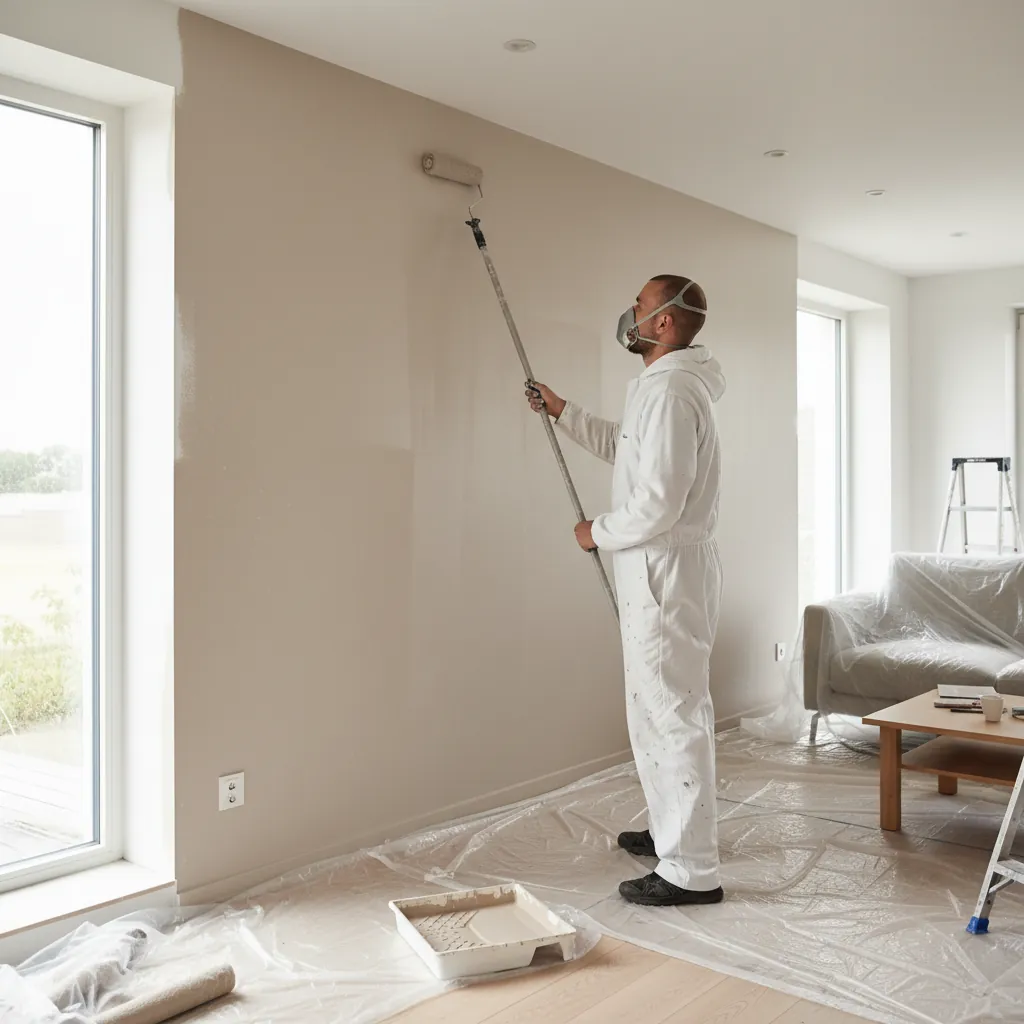
Prep makes the job. Painters move or cover furniture, protect floors, remove switch plates, fill holes, tape and mud cracks, sand, spot-prime repairs and caulk gaps along the trim. Then they cut in edges by brush and roll the walls, usually two coats. Ceilings, trim and doors get their own products and sheens. Cabinet painting is slower, with degreasing, sanding, primer and sprayed coats that need time to cure. A few rooms often take two to four days; a whole house may take one to two weeks, longer with cabinets.
Older homes need more care. Many 1920s to 1950s houses in Los Angeles have plaster walls with hairline cracks, layers of oil paint on the trim and possibly lead under newer coats. Popcorn ceilings from the 1960s to 1980s sometimes contain asbestos, so send a sample to a lab before anyone scrapes. In San Antonio, slab movement on clay opens drywall cracks at corners and door frames that need repair before paint, and summer humidity can slow drying. In both metros, strong southern light changes how colors read, so testing samples on the actual wall helps.
Interior painting generally needs no permit. The main rules involve lead: under EPA rules, any contractor sanding or scraping paint in a house built before 1978 has to use lead-safe methods. In Southern California, air district rules limit VOC content in paints, so most products sold locally are low-VOC. Condo associations may restrict work hours or require notice. You can paint any time of year, though winter is often slower for painters, which can make scheduling easier. Plan for each room to be out of use for a day or two while coats dry.
| Job | Typical range | What moves the price |
|---|---|---|
| Single room, walls only | $400 - $1,000 | Room size, wall condition, ceiling height and how many different colors you want. |
| Whole house interior | $4,000 - $12,000 | Square footage, whether ceilings and trim are included, and how much repair the walls need. |
| Ceilings | $1.50 - $4 / sq ft | Height, texture and whether popcorn removal or testing is part of the job. |
| Trim, doors and baseboards | $1.50 - $5 / linear ft | Detailed trim and converting old oil paint to a water-based finish take longer. |
| Cabinet painting | $3,500 - $9,000 | Number of doors and drawers, the spraying setup and the finish quality you expect. |
| Drywall or plaster repair | $200 - $1,500 | Crack count and size, texture matching and whether real plaster repair skills are needed. |
Typical market ranges, not a quote. Your price depends on the house, the scope and the season; compare written quotes.
Type your ZIP code and we take you to the interior painting page for your neighborhood. If we do not cover that ZIP yet, you go to the request form with it filled in.
We also match interior painting requests in 5 San Antonio neighborhoods.
Painting the walls of a typical bedroom often runs about $400 to $1,000, more with ceilings, trim and repairs. Whole house interiors commonly fall around $4,000 to $12,000 depending on size and detail. Older homes with plaster cracks or lead-safe needs cost more. San Antonio pricing is often a little lower.
A single room often takes one day, and a few rooms two to four days. A whole house can take one to two weeks. Cabinets, heavy repairs and drying time between coats add days. Humid San Antonio summers can slow drying slightly, so painters may run fans or space out coats.
Many homeowners repaint every 5 to 10 years, sooner in kitchens, hallways and kids' rooms that see more wear. Ceilings and guest bedrooms can go longer. Scuffs that do not wash off, fading and a change in taste are the usual reasons to repaint before the paint actually fails.
Painting can transform solid wood cabinets for a fraction of replacement cost. It works best on sturdy boxes and doors with a professional sprayed finish. Peeling or damaged particleboard cabinets may not hold paint well. Ask the painter about prep, primer and cure time before you use the kitchen again.
Flat or matte hides wall flaws and suits ceilings and bedrooms. Eggshell and satin clean more easily in living areas and hallways. Semi-gloss works for trim, doors and bathrooms. Older plaster walls in LA homes often look best with lower sheens that soften an uneven surface.
If your home was built before 1978, older layers may contain lead, especially on trim, windows and doors. Intact paint is low risk, but sanding or scraping releases dust. Ask your painter about lead-safe practices and whether testing makes sense for the areas being prepped.
