Typical Valley Glen costs, permit steps and timelines are below. When you are ready, describe your project and up to four local backyard remodelers serving Valley Glen will contact you. You compare and decide.
Costs depend on yard size and LADWP rebate qualifications; replacing grass with native plants and drip irrigation is highly cost-effective here.
The alluvial, clay-mix soil along the Valley floor requires deeper excavation and more substantial base gravel to prevent shifting, impacting labor costs.
Providing relief from Valley Glen's summer heat, prices vary based on wood versus aluminum materials and LADBS engineering permit requirements.
Typical market ranges for the Greater Los Angeles area, not a quote or a guarantee. The price of your job depends on its scope, so ask each pro for a written estimate before you decide. Bars share one scale, so you can compare project sizes.
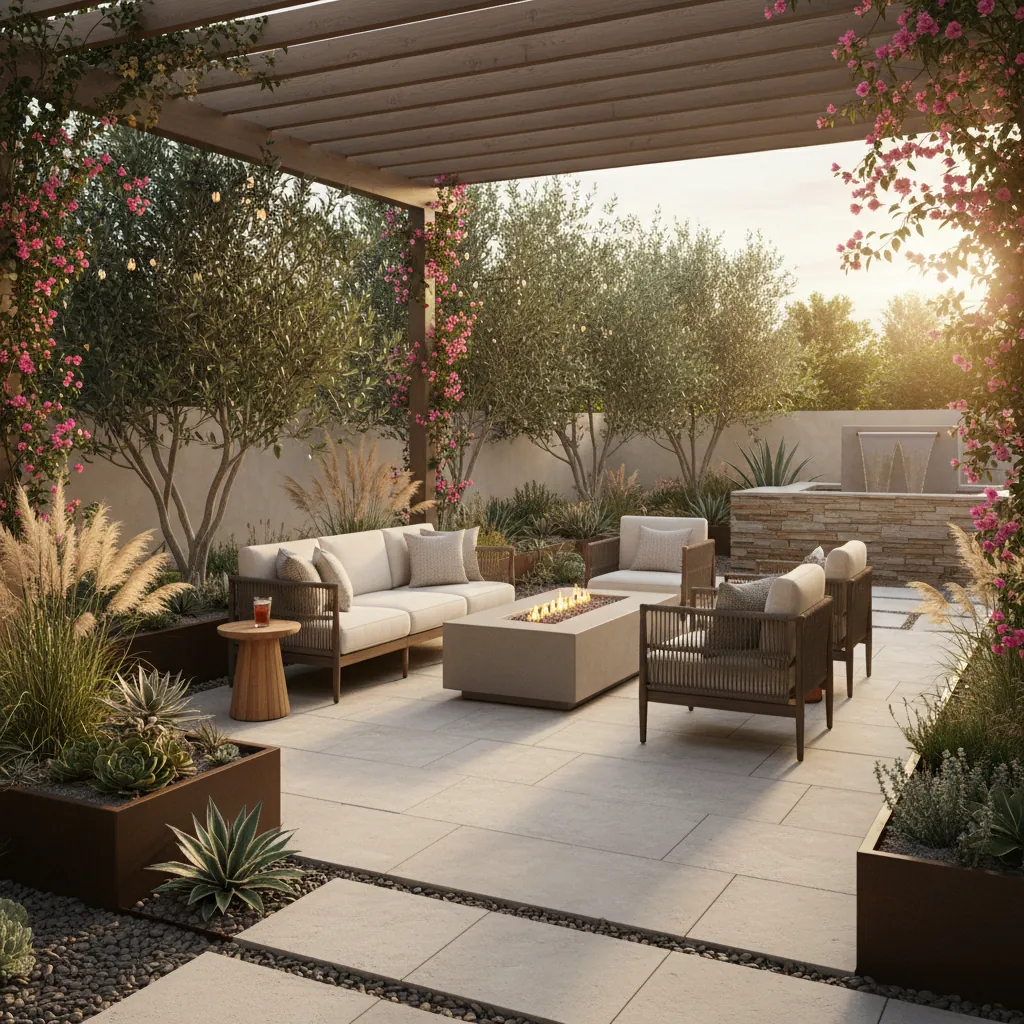
Creating a functional outdoor living space in Valley Glen requires balancing the intense San Fernando Valley heat with smart, drought-tolerant design. Whether you want to install a shaded pergola for weekend family gatherings or replace thirsty lawns with modern hardscaping, local pros are here to help.
Backyard renovations on the flat Valley Glen floor must account for the highly variable alluvial wash soils deposited near the Tujunga Wash, which transition quickly from fast-draining sand to heavy, expanding clay.
This shifting soil profile requires precise grading and engineered sub-bases for patios and hardscapes to prevent cracking during hot, dry summers. Additionally, navigating strict LADWP summer watering limits means selecting climate-resilient flora that can thrive in triple-digit heat without spiking your utility bills.
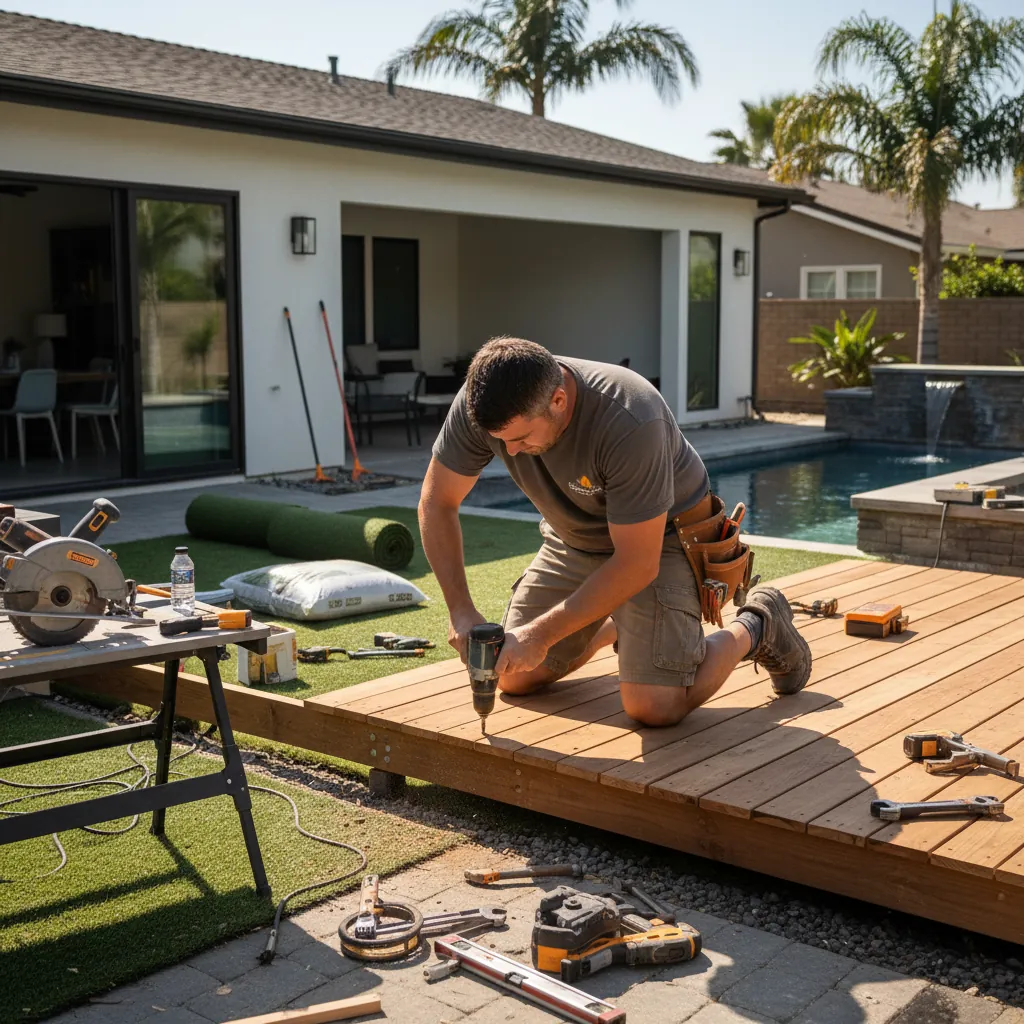
Initial site assessment, including soil composition tests and utility line marking
Design rendering and material selection tailored to dry San Fernando Valley conditions
LADWP rebate application filing for turf removal and smart irrigation
LADBS permit acquisition for structural elements like patio covers or retaining walls
Excavation, professional soil grading, and drainage preparation
Hardscape installation, planting of native flora, and smart irrigation setup
ContractorPro.Leads doesn't do the work itself. We pass your Valley Glen project to up to four local backyard remodelers who take this kind of job, and you decide whether to hire any of them.
From the quiet, mid-century ranch homes near Los Angeles Valley College to the properties lining the bustling Burbank Blvd corridor, Valley Glen yards often feature generous flat footprints with immense potential. Incorporating native landscaping inspired by the nearby Tujunga Wash Greenway not only honors the natural San Fernando Valley ecology but also creates a seamless indoor-outdoor lifestyle. Local contractors are highly experienced in adapting these older suburban plots into modern, low-maintenance retreats.
Tell us what you have in mind. We'll pass it to up to four local pros, and they'll contact you to talk it through.
For standard hardscaping and minor retaining walls, permits can often be issued over-the-counter. Larger structural additions, like custom pavilions or outdoor kitchens near property lines, require plan checks through the Los Angeles Department of Building and Safety (LADBS), which typically take 4 to 8 weeks.
Valley Glen sits on a flat alluvial wash floor near the Tujunga Wash, meaning soils alternate between sandy silt and heavy clay. Contractors must design deeper sub-bases and use geotextile fabrics to ensure pavers and concrete patios do not crack or shift during seasonal temperature swings.
Yes, Valley Glen residents can take advantage of the Los Angeles Department of Water and Power (LADWP) Turf Replacement Program, which offers cash incentives per square foot of grass replaced with sustainable landscaping, organic mulch, and smart irrigation.
Native and climate-adapted plants like California flannelbush, Cleveland sage, and desert mallow thrive in the hot, dry summers of the San Fernando Valley. They require minimal water once established and tolerate our alluvial wash soil types well.
In the City of Los Angeles, detached accessory structures under 120 square feet typically do not require a permit. However, larger covers or those attached to your home require LADBS approval to ensure wind and seismic safety.
