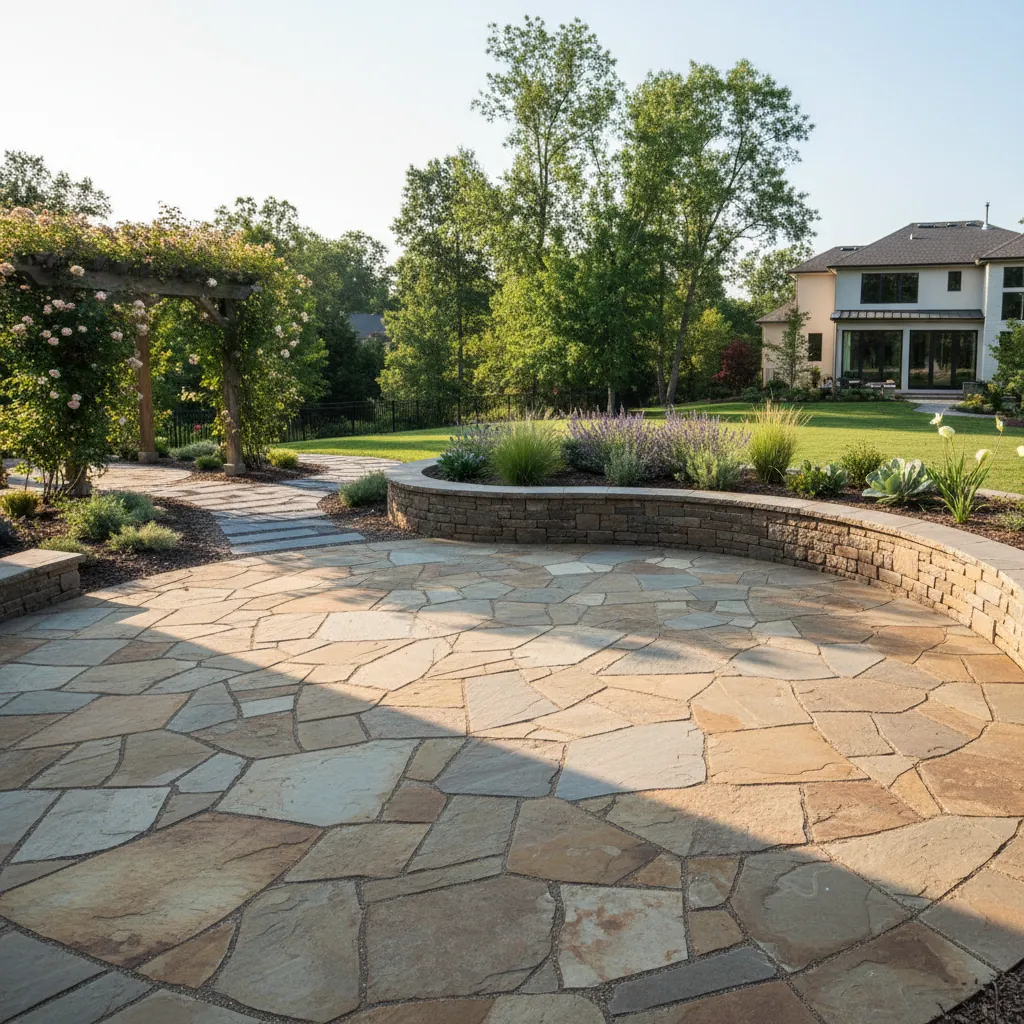
Typical Hidden Hills costs, permit steps and timelines are below. When you are ready, describe your project and up to four local hardscape contractors serving Hidden Hills will contact you. You compare and decide.
Enhancing the expansive outdoor spaces of Hidden Hills requires a delicate balance of equestrian-friendly design and structural integrity. Homeowners in this exclusive, gated community need durable masonry and precise grading that complements the rolling, semi-rural landscape.
Designing hardscapes in Hidden Hills means navigating expansive clay and rocky hillside soils that demand engineered grading and robust drainage systems to prevent shifting.
Furthermore, being located in a Very High Fire Hazard Severity Zone requires fire-resistant materials like natural stone and interlocking concrete pavers rather than timber. Every major structure also requires navigating the strict aesthetic rules of the Hidden Hills Community Association alongside building permits secured through City Hall.
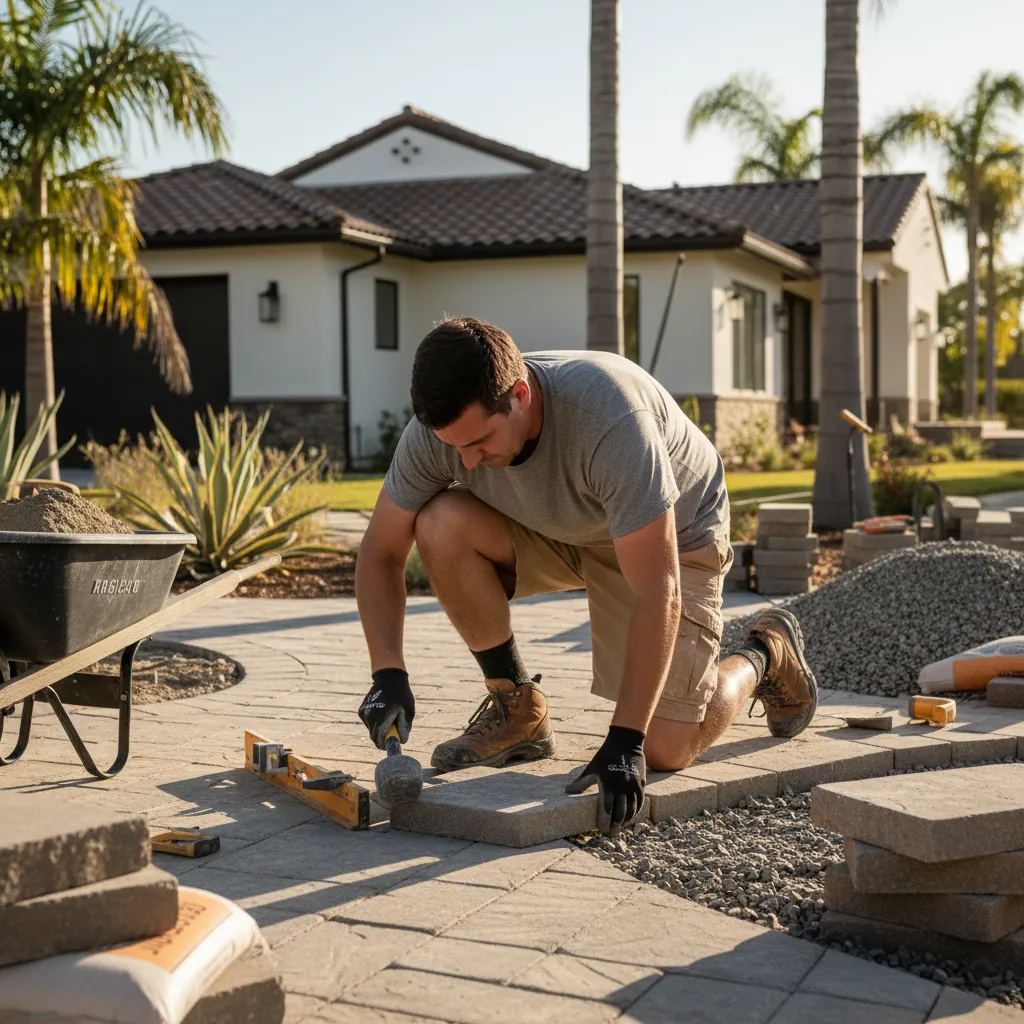
Premium pavers designed to handle heavy estate vehicles, with extensive base preparation required for unstable clay soil.
Driven by the need for deep caissons, structural steel, and professional engineering required for City Hall permit approval on rolling terrain.
Highly customizable natural stone installations utilizing fire-resistant concrete bases and integrated drainage channels.
Typical market ranges for the Greater Los Angeles area, not a quote or a guarantee. The price of your job depends on its scope, so ask each pro for a written estimate before you decide.
Initial site assessment, mapping out property lines, private horse trails, and easement boundaries
Geotechnical soil analysis and engineered drainage planning for hillside stability
Drafting of detailed plans for Hidden Hills Community Association architectural review
Permit submission and coordination through the City of Hidden Hills City Hall
Site preparation, including heavy equipment grading and clay soil amendment
Precise installation of masonry, pavers, or retaining walls followed by final inspection
ContractorPro.Leads doesn't do the work itself. We pass your Hidden Hills project to up to four local hardscape contractors who take this kind of job, and you decide whether to hire any of them.
Whether your property sits along the equestrian paths of Long Valley Road or overlooks the rolling terrain near Round Meadow Road, hardscaping here must blend seamlessly with the semi-rural estate character. Projects must accommodate both private horse trails and the natural topography of the west end of the Valley, ensuring that retaining walls and terraced patios protect the land without disrupting the neighborhood's unique, rustic elegance.
Tell us what you have in mind. We'll pass it to up to four local pros, and they'll contact you to talk it through.
Yes, most hardscape projects in Hidden Hills, particularly retaining walls over three feet or major grading, require building permits issued through City Hall. Additionally, plans must be approved by the Hidden Hills Community Association (HOA) architectural committee before work begins.
The clay and rocky hillside soils in the 91302 area expand and contract significantly with moisture changes. Local contractors must perform deep excavation, lay thick gravel sub-bases, and install engineered drainage to prevent pavers and walls from cracking or shifting.
Because Hidden Hills is mapped as a Very High Fire Hazard Severity Zone, hardscape designs prioritize non-combustible materials. Utilizing stone, concrete, and interlocking pavers near the home creates a critical defensible space zone that meets local safety guidelines.
Securing permits through the City of Hidden Hills (with building permits routed through City Hall) and obtaining HOA clearance generally takes between 4 to 12 weeks, depending on the complexity of the engineering required for hillside stability.
Yes, the Las Virgenes Municipal Water District encourages water-efficient landscapes. Incorporating permeable hardscape materials allows rainwater to infiltrate the ground directly, reducing runoff and aligning with local conservation efforts.
