Typical Hidden Hills costs, permit steps and timelines are below. When you are ready, describe your project and up to four local concrete contractors serving Hidden Hills will contact you. You compare and decide.

Conduct comprehensive site assessment, soil testing, and slope stability analysis.
Obtain engineered structural plans and submit permit applications to Hidden Hills City Hall.
Execute precision grading, excavation, and install heavy-duty drainage systems.
Construct robust formwork and place grade-60 steel rebar reinforcement tailored for clay soil.
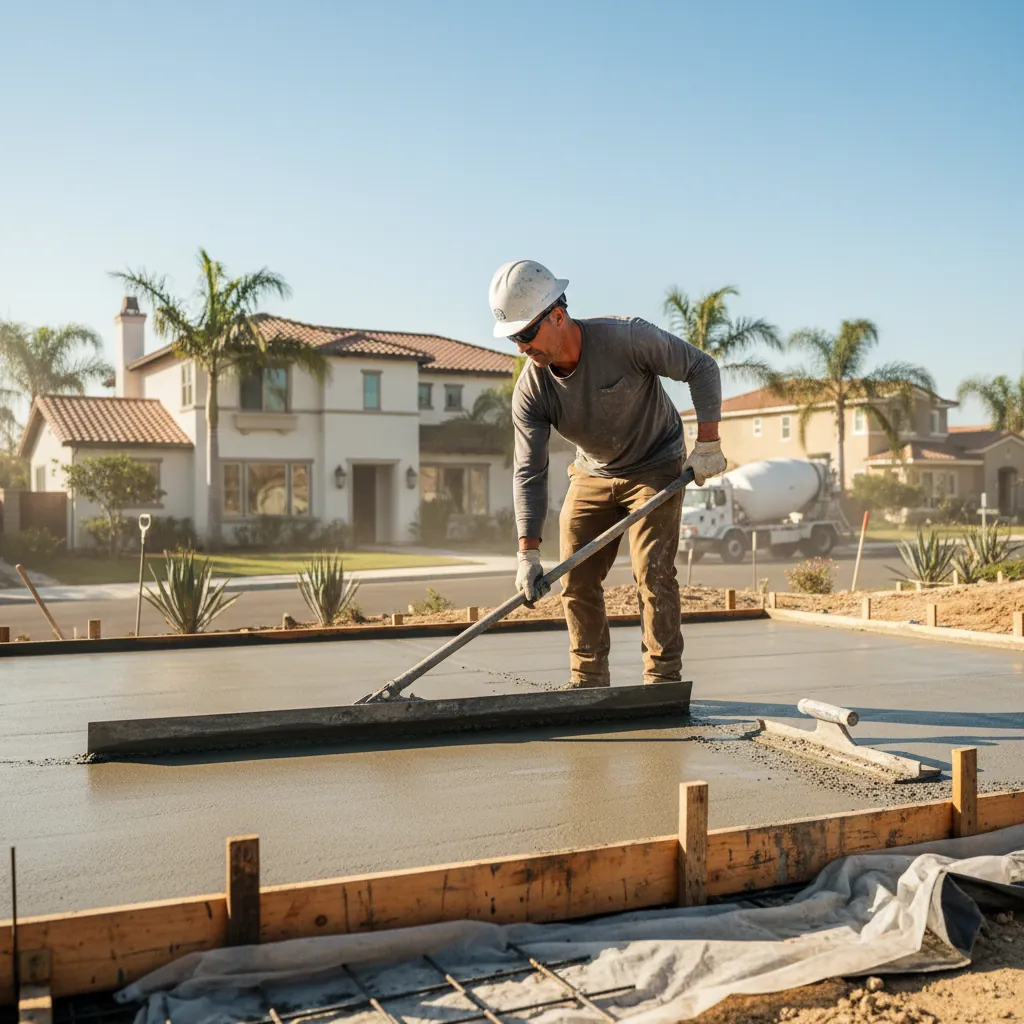
Pour high-PSI, site-specific concrete mix and apply professional curing compounds to retain moisture.
Perform final expansion joint cutting and apply protective architectural sealants.
Basic flatwork pricing varies based on ease of access for transit mixers on gated estate lots and the necessity of decorative finishes like stamped or salt-finish concrete.
Heavy clay soils and steep slopes require deep footings, extensive steel rebar, and integrated drainage systems, driving up labor and engineering costs.
Specialized heat-reflective coatings, custom textures, and integration with Las Virgenes water district runoff compliance shape this premium pricing.
Typical market ranges for the Greater Los Angeles area, not a quote or a guarantee. The price of your job depends on its scope, so ask each pro for a written estimate before you decide.
Managing a property in Hidden Hills requires an appreciation for the community's equestrian heritage and expansive, private acreage. Whether you are updating a multi-vehicle court or reinforcing a hillside terrace, concrete installations here must balance aesthetic elegance with structural resilience. We connect you with local concrete contractors who understand how to execute flawless pours that respect the quiet character of our gated enclave.
The rolling terrain of Hidden Hills features complex clay and rocky soils that expand and contract dramatically, demanding rigorous soil testing and engineered steel reinforcement to prevent concrete cracking.
Additionally, because the entire area is a designated Very High Fire Hazard Severity Zone, structures and retaining walls must integrate seamlessly with fire-safe landscaping and robust drainage systems designed to handle winter runoff on steep slopes.
ContractorPro.Leads doesn't do the work itself. We pass your Hidden Hills project to up to four local concrete contractors who take this kind of job, and you decide whether to hire any of them.
From the sprawling estates along Long Valley Road to the equestrian properties near Round Meadow Road, concrete projects must accommodate both heavy vehicular traffic and local bridle paths. Local contractors are highly experienced in managing logistics within our strictly gated community, ensuring that concrete mixers and heavy equipment navigate the narrow, tree-lined private roads without disrupting the neighborhood's rural tranquility.
Tell us what you have in mind. We'll pass it to up to four local pros, and they'll contact you to talk it through.
Permitting through the City of Hidden Hills at City Hall typically takes 2 to 4 weeks for standard flatwork, but structural elements like retaining walls over three feet require engineered plans and plan check reviews, which can extend the timeline to 6 to 8 weeks.
Yes, any significant concrete replacement or modification of driveways requires review by Hidden Hills City Hall to ensure compliance with local setbacks, drainage plans, and equestrian trail easements.
The expansive clay soils common in Hidden Hills absorb water and swell, then shrink as they dry. Without proper sub-base preparation, gravel layering, and thick rebar reinforcement, this movement will cause standard concrete slabs to crack and shift.
Yes, but transit mixers must comply with local gate entry rules and weight limits. Experienced local contractors coordinate scheduling and vehicle sizes to prevent damage to private roads and overhanging oak trees.
Yes, the Las Virgenes Municipal Water District strictly prohibits water waste. Contractors must use water-efficient curing methods and ensure zero toxic runoff or concrete washwater enters the storm drain system or nearby horse trails.
