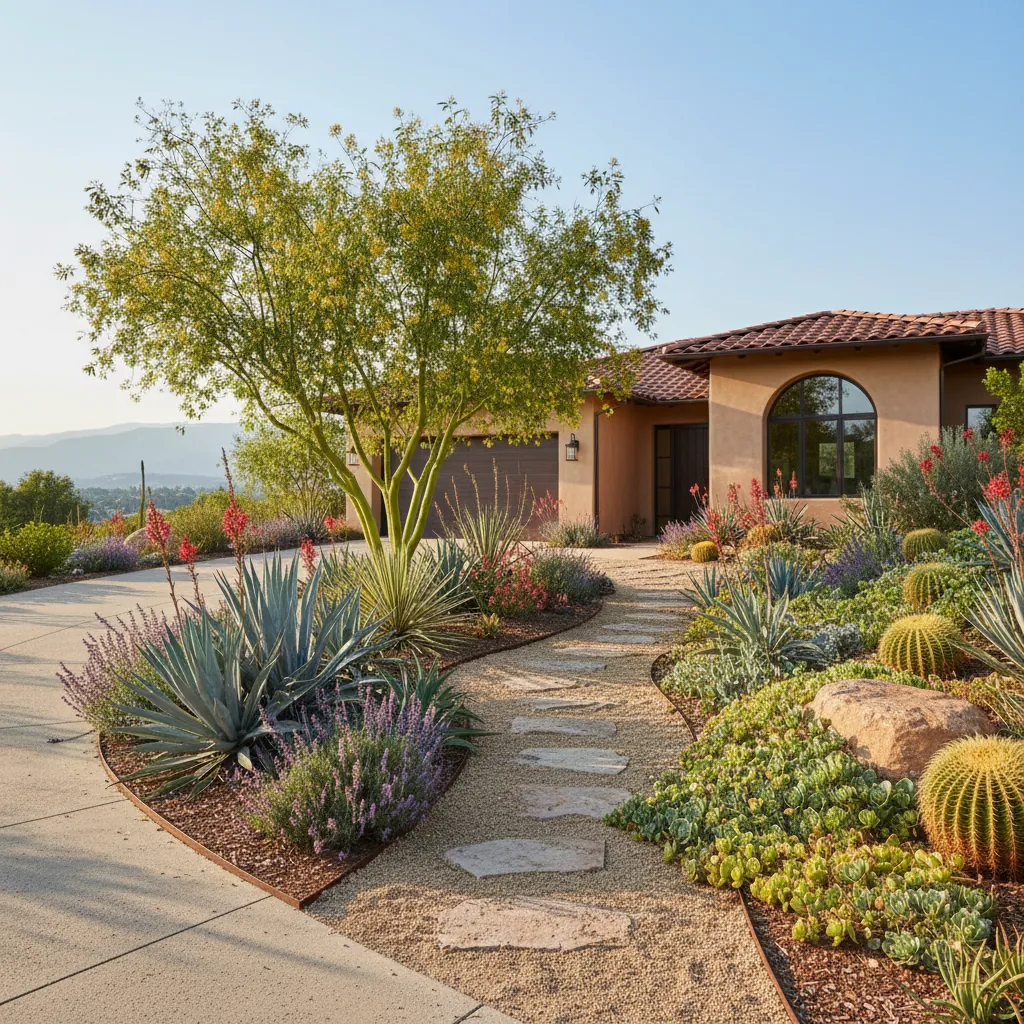
Typical Hidden Hills costs, permit steps and timelines are below. When you are ready, describe your project and up to four local landscapers serving Hidden Hills will contact you. You compare and decide.
Hidden Hills is renowned for its expansive, equestrian-friendly estates that blend natural privacy with high-end ranch living. Creating a landscape here requires balancing this rustic, semi-rural charm with sophisticated outdoor living spaces that enhance your property's long-term value. We connect you with local landscape professionals who understand the unique character, scale, and regulations of these premier properties.
Properties along our rolling hills face challenging clay and rocky soils that demand engineered grading and sophisticated drainage systems to prevent hillside erosion.
Additionally, with Hidden Hills mapped as a very high fire hazard severity zone, your landscape design must strictly adhere to local defensible space guidelines while complying with Las Virgenes Municipal Water District water-efficiency mandates.
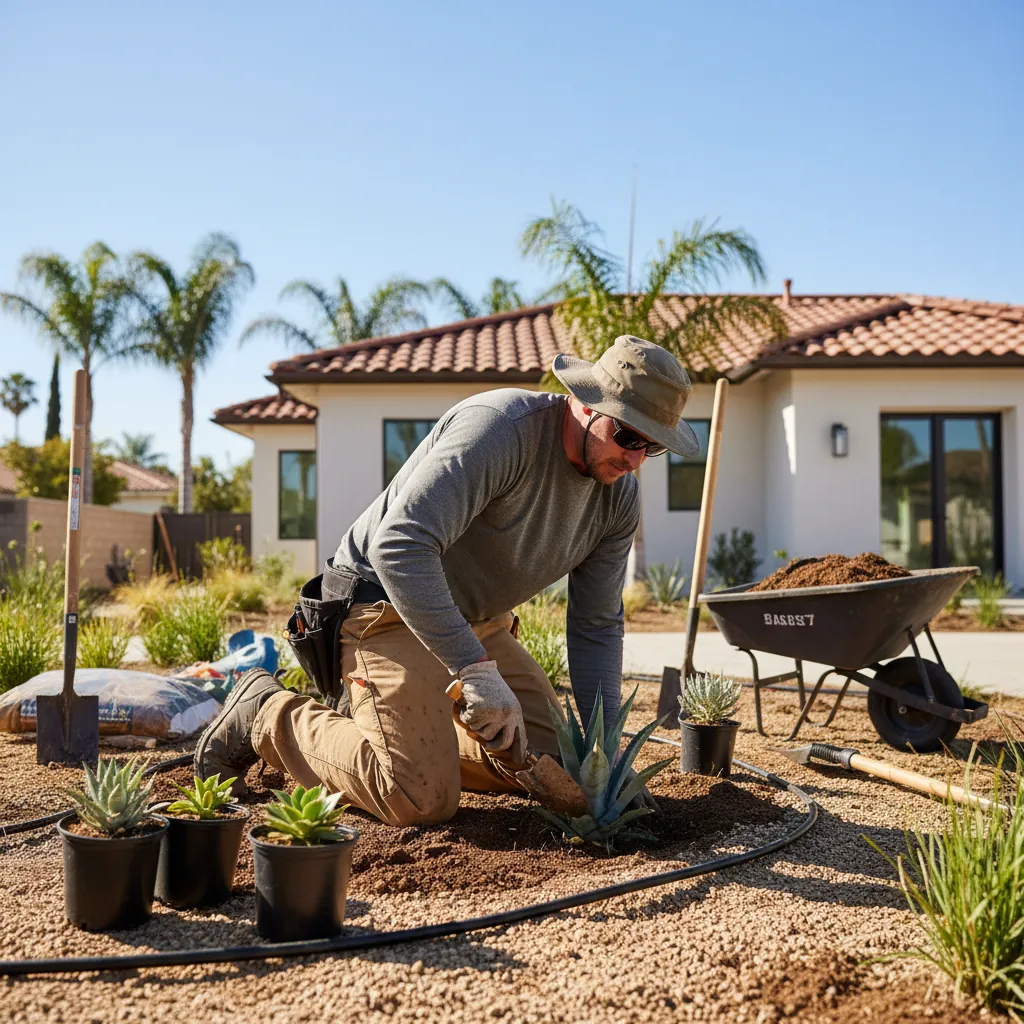
Pricing varies based on acreage and density. Utilizes California natives to meet Las Virgenes Municipal Water District guidelines.
Crucial for Hidden Hills clay and rocky slopes to manage heavy winter runoff and prevent soil erosion.
Reflects large-scale estate projects combining luxury outdoor living areas, equestrian-safe paths, and extensive irrigation.
Typical market ranges for the Greater Los Angeles area, not a quote or a guarantee. The price of your job depends on its scope, so ask each pro for a written estimate before you decide. Bars share one scale, so you can compare project sizes.
Initial site assessment evaluating slope stability, soil composition, and fire zone requirements
Conceptual design mapping out hardscaping, native plantings, and irrigation zones
Securing necessary approvals and building permits through Hidden Hills City Hall
Engineered grading, drainage installation, and soil conditioning for clay ground
Planting, low-voltage LED lighting installation, and smart drip irrigation setup
Final walk-through to review defensible space compliance and system operations
ContractorPro.Leads doesn't do the work itself. We pass your Hidden Hills project to up to four local landscapers who take this kind of job, and you decide whether to hire any of them.
Whether your property sits along the quiet equestrian paths of Long Valley Road or near the community heart of Round Meadow Road, landscaping in this exclusive enclave requires a deep respect for the area's natural aesthetic. Local contractors specialize in transitioning seamlessly from manicured estate lawns to the natural, oak-dotted hillsides that define the western end of the Valley.
Tell us what you have in mind. We'll pass it to up to four local pros, and they'll contact you to talk it through.
Yes, major landscape alterations, structural retaining walls, and significant grading require building permits issued through the City of Hidden Hills City Hall. Local contractors handle this permitting process to ensure full compliance with municipal codes.
LVMWD enforces strict water budgets and encourages drought-tolerant landscapes. A local professional can design a lush-looking, water-wise estate that utilizes smart drip irrigation and recycled water systems to keep water bills manageable.
Because Hidden Hills is in a very high fire hazard severity zone, you must maintain a 100-foot defensible space. This involves clearing dead brush, spacing out canopy trees, and using fire-resistant plants near your home.
Experienced local contractors use heavy machinery to grade the hillside terrain, amend the clay soil with organic matter to improve aeration, and install robust drainage systems to prevent waterlogging.
Yes, properties bordering the city's private equestrian trails should use horse-safe, non-toxic plants and ensure that fences and hardscaping do not encroach upon or endanger horses and riders using the pathways.
