Typical Hidden Hills costs, permit steps and timelines are below. When you are ready, describe your project and up to four local ADU builders serving Hidden Hills will contact you. You compare and decide.
Geotechnical soil testing and topographic survey of the hillside lot
Preliminary architectural review conforming to Hidden Hills community standards
Submitting detailed structural, drainage, and WUI plans to City Hall
Securing utility clearances from Southern California Edison and Las Virgenes MWD
Executing engineered grading and reinforced foundation pouring
Framing, utility rough-in, and final high-end interior finishing
Rocky clay soils and rolling terrain require professional slope stabilization, retaining walls, and custom drainage plans.
Reflects premium custom finishes, strict equestrian architectural matching, and fire-resistant WUI building materials.
Distances on large acreage lots from the main house to the ADU increase excavation and conduit costs.
Typical market ranges for the Greater Los Angeles area, not a quote or a guarantee. The price of your job depends on its scope, so ask each pro for a written estimate before you decide. Bars share one scale, so you can compare project sizes.
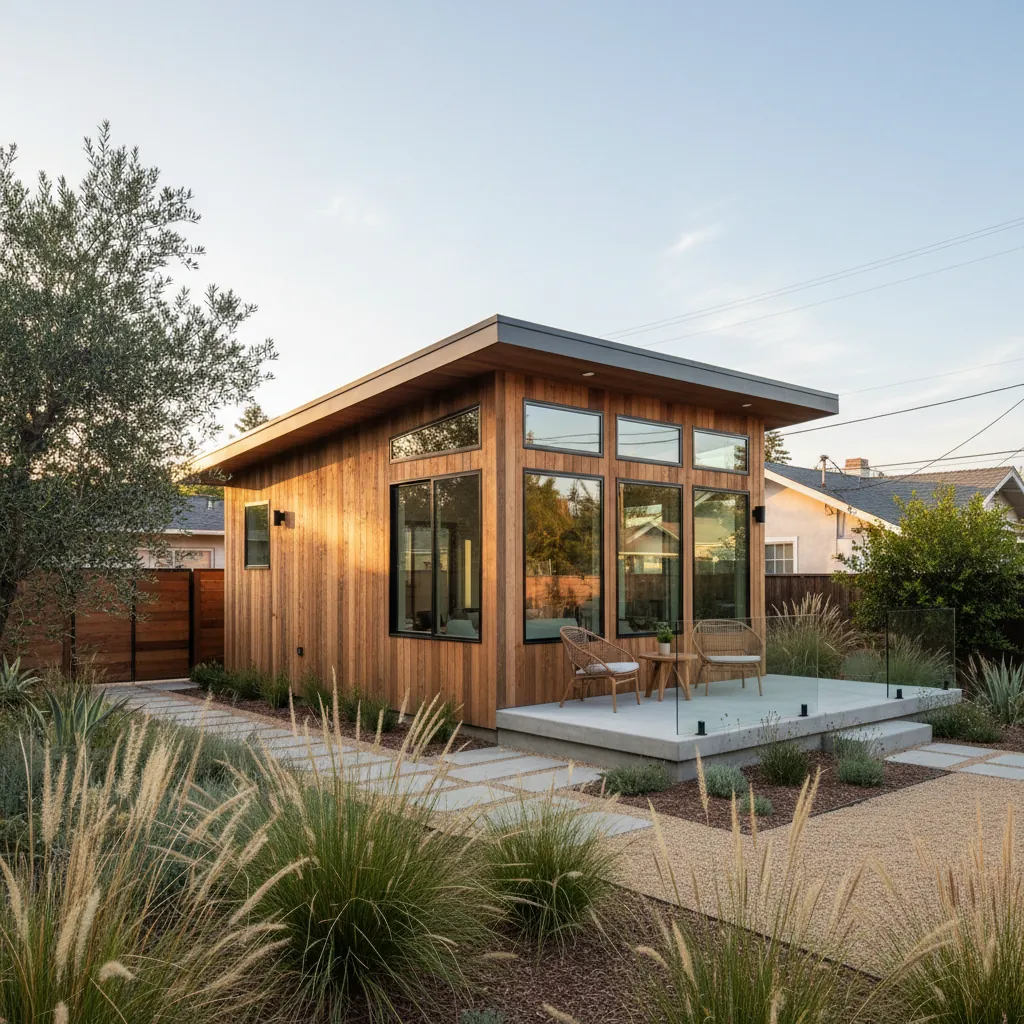
Hidden Hills estates offer the rare luxury of expansive, semi-rural acreage, making them ideal canvases for high-end accessory dwelling units. Whether you are planning a private multi-generational guest cottage, a home office, or a poolside cabana, building here requires a delicate balance of equestrian zoning compliance and luxury design.
Building an ADU on the rolling terrain of Hidden Hills requires addressing the complex clay and rocky hillside soils that dominate the west end of the Valley.
Proper engineered grading and advanced drainage systems are essential to prevent shifting and erosion, especially during wet winter months. Additionally, because the entire city is designated as a very high fire hazard severity zone, builders must implement strict Wildland-Urban Interface (WUI) standards and secure meticulous building permits through Hidden Hills City Hall.
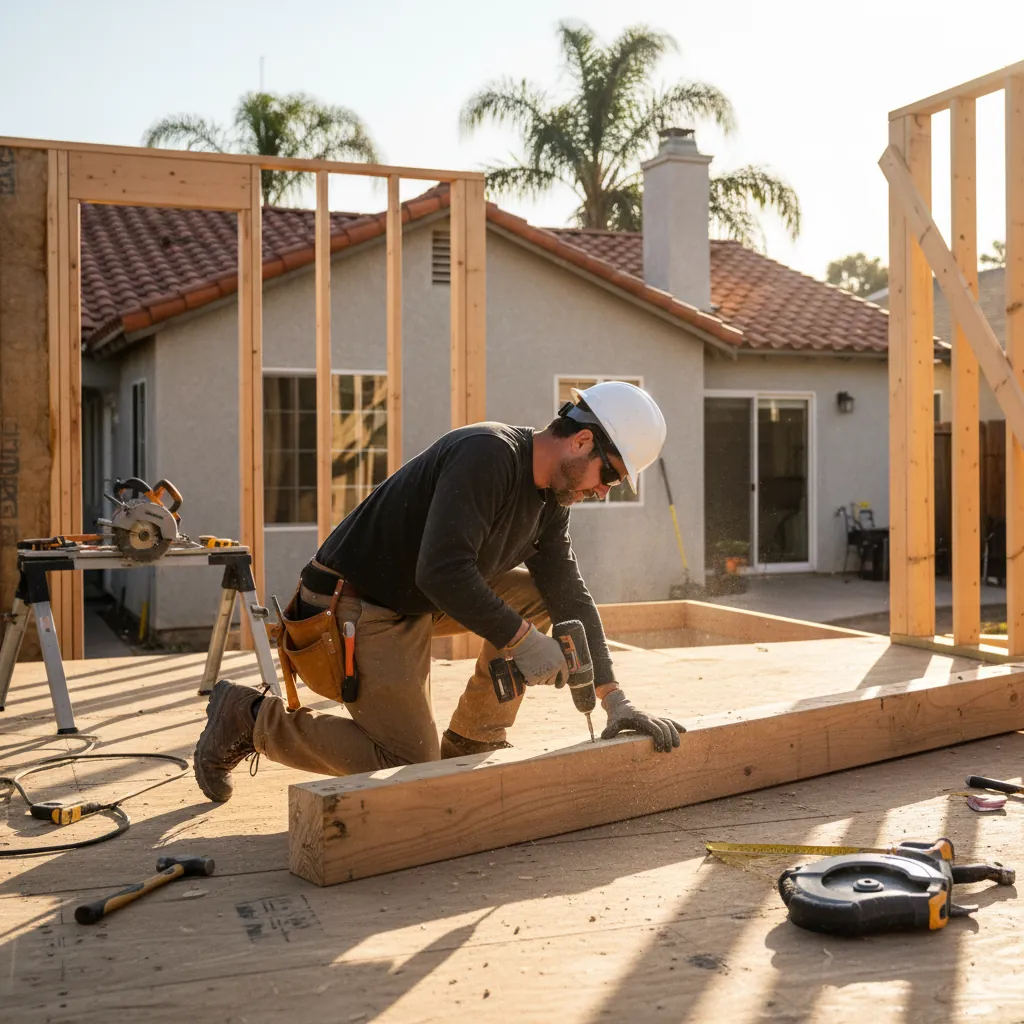
ContractorPro.Leads doesn't do the work itself. We pass your Hidden Hills project to up to four local ADU builders who take this kind of job, and you decide whether to hire any of them.
Whether your estate is situated along the quiet horse paths of Long Valley Road or near the pastoral stretches of Round Meadow Road, building an ADU requires respecting the equestrian-estate character of the community. Local projects must seamlessly blend with existing high-end architecture while ensuring that heavy construction access does not disrupt the neighborhood's private equestrian trails or gated security protocols.
Tell us what you have in mind. We'll pass it to up to four local pros, and they'll contact you to talk it through.
Due to strict architectural guidelines, equestrian setbacks, and environmental reviews, the plan check and permitting process at City Hall typically takes 4 to 8 months. Working with a contractor experienced in local submittals can prevent back-and-forth revisions.
The Las Virgenes Municipal Water District does not always require a separate meter for accessory units, but they do require a review of the fixture count. A local contractor can help determine if expanding your existing service or installing a submeter is the most cost-effective path.
Since Hidden Hills is a very high fire hazard zone, your ADU must feature ignition-resistant stucco or siding, fire-rated eaves, interior sprinklers, and specific landscaping clearances to comply with state and local fire codes.
Yes, but you must maintain strict setbacks from dedicated horse trails and active animal-keeping areas. Local builders will cross-reference your property lines with the city's equestrian easements during the design phase.
Yes, building with Southern California Edison service means you may qualify for clean energy rebates on heat pump HVAC systems, heat pump water heaters, and solar installations, which are mandatory for newly constructed detached ADUs.
