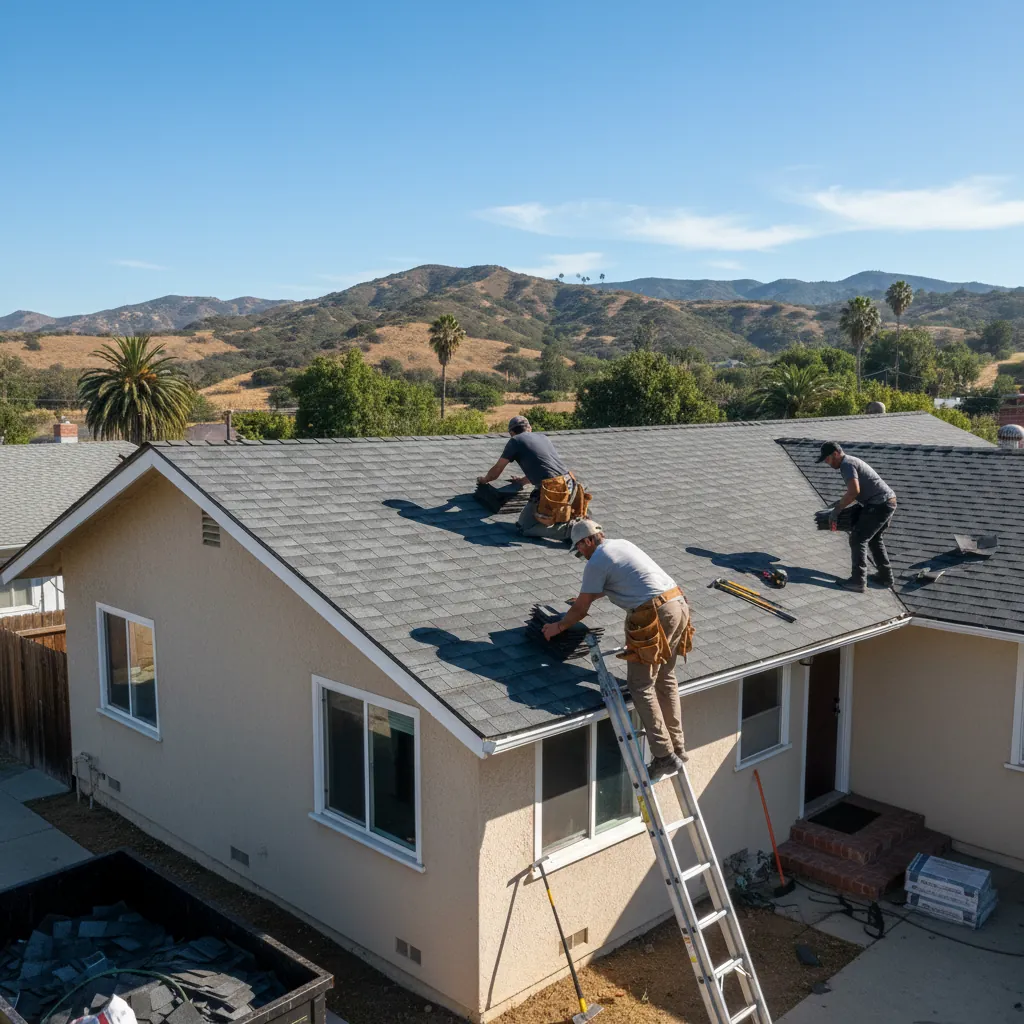
Typical Hidden Hills costs, permit steps and timelines are below. When you are ready, describe your project and up to four local roofers serving Hidden Hills will contact you. You compare and decide.
Maintaining the architectural integrity of a sprawling estate in Hidden Hills requires a specialized, highly professional approach to roofing. From the private horse trails off Round Meadow Road to the gated ridges overlooking the west end of the Valley, local properties demand materials that balance equestrian-community aesthetics with modern structural performance. We connect you with local roofing professionals who understand how to safeguard these unique, high-value homes.
Because Hidden Hills is mapped entirely within a very high fire hazard severity zone, roofing here requires strict adherence to Class A standards to withstand wind-blown embers during hot, dry summers.
Furthermore, the heavy clay and rocky hillside soils of our rolling terrain can cause subtle foundation settling over time, meaning heavy clay tile replacements often require structural engineering assessments to ensure the roof trusses can safely bear the load under local seismic and soil conditions.
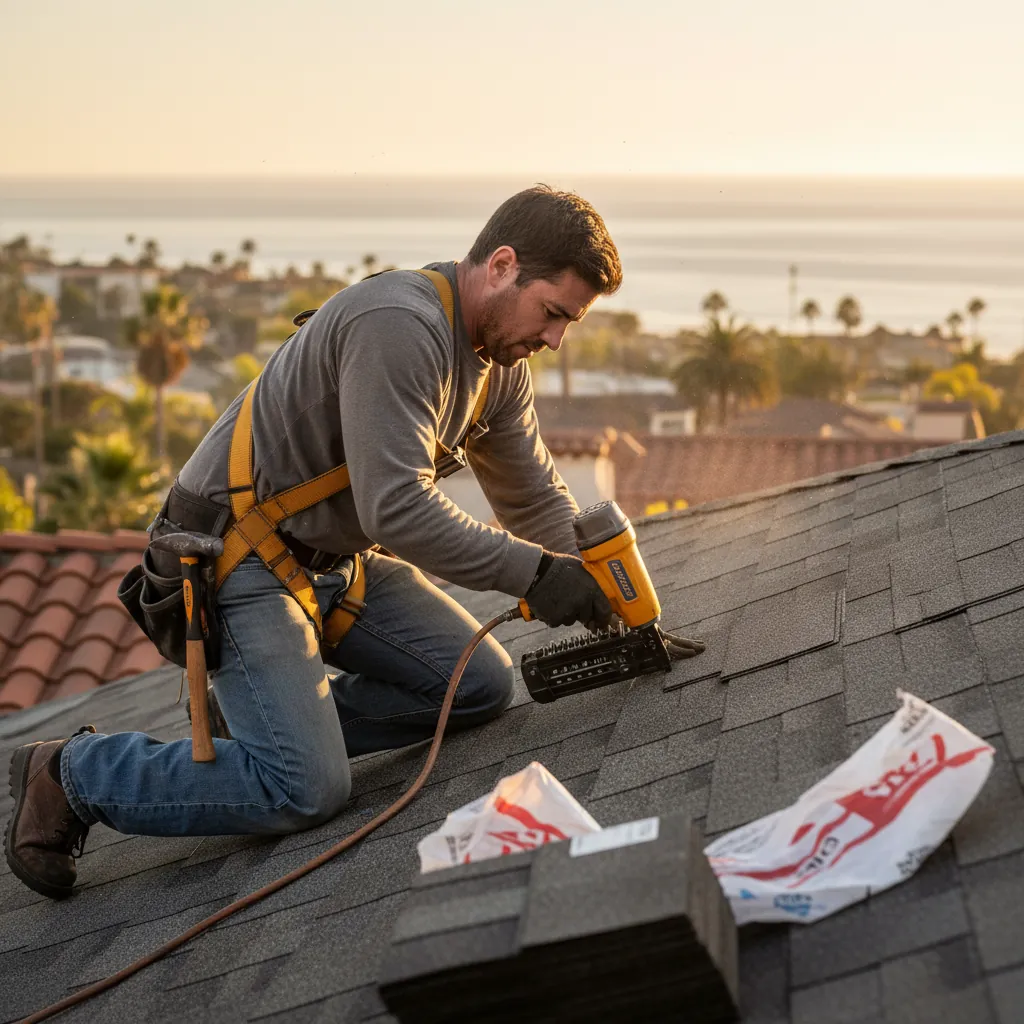
A reliable Class A fire-rated option; pricing varies based on the expansive square footage and steep roof pitches common in Hidden Hills estates.
Excellent fire protection and longevity, but requires verification that the structural framing can support the weight on rolling hillside lots.
The ultimate in wildfire spark resistance and durability, offering a sleek look that complements modern ranch architecture.
Typical market ranges for the Greater Los Angeles area, not a quote or a guarantee. The price of your job depends on its scope, so ask each pro for a written estimate before you decide. Bars share one scale, so you can compare project sizes.
Comprehensive structural assessment of the existing roof deck and truss system
Submission of detailed plans to the City of Hidden Hills for building permit approval
Staging of materials in compliance with local equestrian trail easements
Tear-off of existing materials down to the deck with thorough dry-rot inspection
Installation of high-performance, fire-resistant underlayment and venting
Application of Class A roofing materials with meticulous flashing and sealing
ContractorPro.Leads doesn't do the work itself. We pass your Hidden Hills project to up to four local roofers who take this kind of job, and you decide whether to hire any of them.
Navigating the peaceful, semi-rural lanes of Hidden Hills—from the rustic properties along Long Valley Road to the oak-lined expanses near Round Meadow Road—requires contractors who respect the community's strict equestrian easement rules and quiet hours. Local roofing pros coordinate material deliveries to prevent disrupting the private horse trails and ensure that all staging complies with HOA and City Hall guidelines.
Tell us what you have in mind. We'll pass it to up to four local pros, and they'll contact you to talk it through.
Permit turnaround through City Hall typically takes 5 to 10 business days, provided the plans clearly specify Class A fire-rated materials and comply with local aesthetic guidelines.
Yes, California Title 24 energy standards apply here, requiring cool roof materials with high solar reflectance to reduce heat absorption during our hot Valley summers.
Yes. Shifting clay and rocky hillside soils can cause minor settling in home foundations, which propagates upward to stress the roof trusses. Local pros check for decking warped by structural settling before installing new materials.
Because Hidden Hills is in a very high fire hazard zone, all new roofs and significant re-roofing projects must utilize Class A assembly materials, including specific fire-resistant underlayments and spark-arresting vents.
Local contractors coordinate material staging and disposal bin placement to ensure no blockage occurs on adjacent horse trails or private easements along streets like Long Valley Road.
