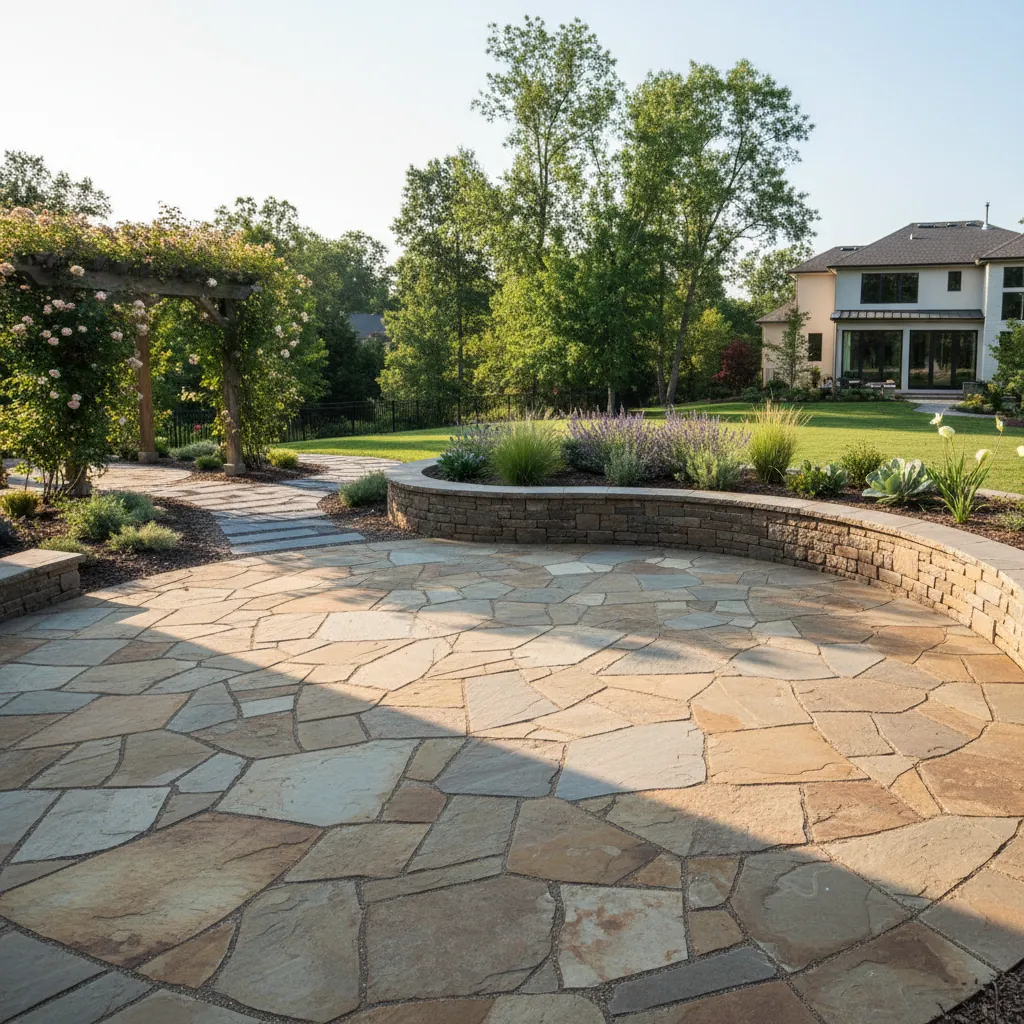
Typical Pacific Palisades costs, permit steps and timelines are below. When you are ready, describe your project and up to four local hardscape contractors serving Pacific Palisades will contact you. You compare and decide.
From the coastal bluffs overlooking the ocean to the quiet properties nestled deep in our canyons, Pacific Palisades homes demand outdoor living spaces that are both beautiful and structurally sound. Let us match you with seasoned professionals who understand how to design durable outdoor spaces that complement our neighborhood's unique coastal topography.
Hardscaping in the Palisades requires specialized engineering due to our coastal bluff and canyon soils, which are naturally prone to movement and landslides.
Additionally, because much of our neighborhood lies within a designated Very High Fire Hazard Severity Zone, choosing non-combustible materials like natural stone, interlocking pavers, and concrete is a safety priority rather than just an aesthetic choice. Improperly anchored hillside patios or poorly drained retaining walls can fail during heavy seasonal rains, making proper soil preparation and drainage design absolutely critical.
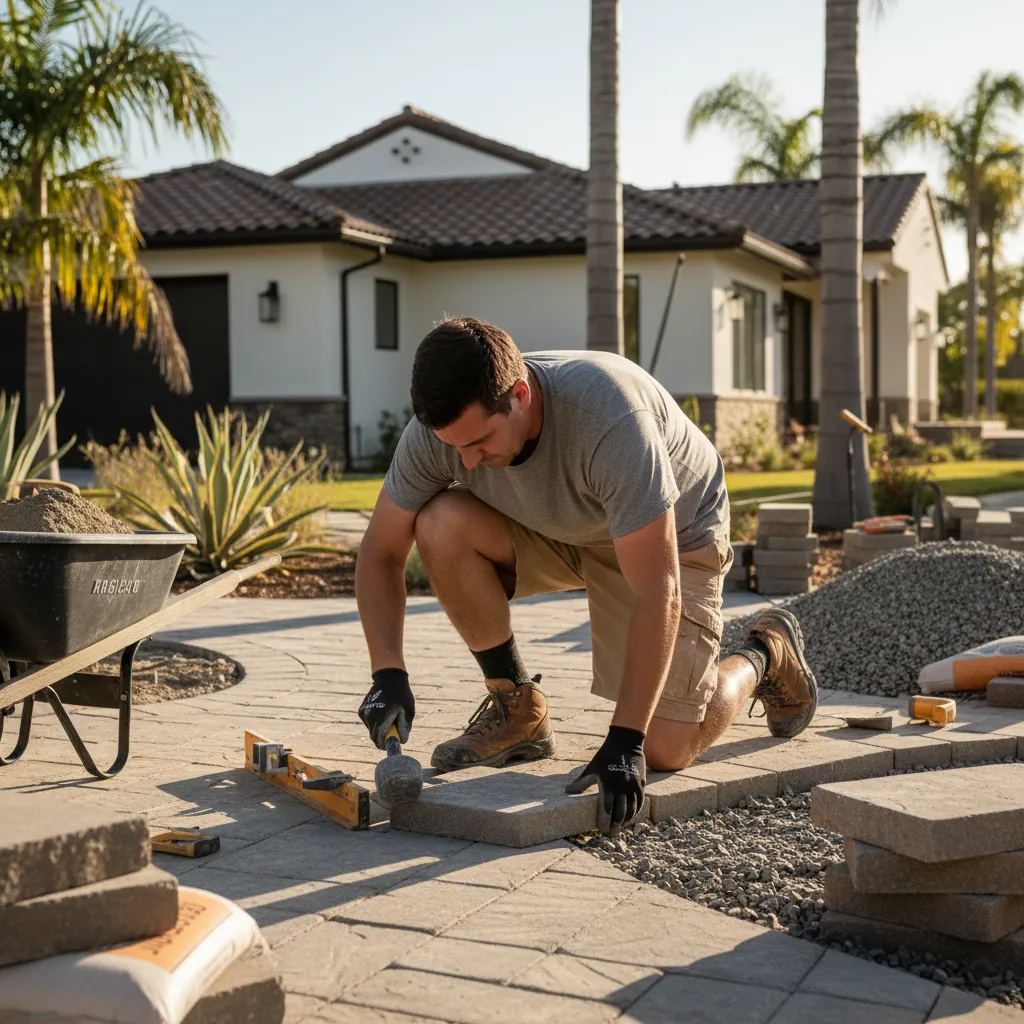
Pricing depends on the choice of premium stone or concrete pavers and the accessibility of the yard, which can be limited in narrow canyon lots.
Hillside soils in the Palisades often require deep footings, steel reinforcement, and soil testing, which increases structural engineering costs.
Costs vary based on utility line extensions (gas and water) and the use of fire-safe natural stone veneer near canyon wildlands.
Typical market ranges for the Greater Los Angeles area, not a quote or a guarantee. The price of your job depends on its scope, so ask each pro for a written estimate before you decide.
Site assessment including slope analysis and soil stability evaluation
Drafting of custom architectural plans and drainage layout
LADBS permit acquisition and engineering review for hillside structures
Precise grading, soil excavation, and runoff drainage system installation
Laying high-durability base materials, geotextiles, and sub-bases
Installation of stone, pavers, or concrete, followed by final joint sealing
ContractorPro.Leads doesn't do the work itself. We pass your Pacific Palisades project to up to four local hardscape contractors who take this kind of job, and you decide whether to hire any of them.
Whether you are updating a mid-century modern estate near Temescal Canyon, expanding an entertainment patio near the bustling Palisades Village, or securing a steep hillside terrace off Sunset Blvd, your hardscape must respect the local terrain. Local contractors are highly experienced in navigating the steep slopes, coastal microclimates, and specific structural demands that define our corner of the Westside.
Tell us what you have in mind. We'll pass it to up to four local pros, and they'll contact you to talk it through.
Yes, the Los Angeles Department of Building and Safety (LADBS) requires a permit for any retaining wall over 4 feet tall, or any wall supporting a surcharge (like a slope, driveway, or building). In our landslide-prone canyon and bluff zones, a structural engineering report is typically required during the review process.
Simple paver patios may not require permits, but engineered walls and major hillside grading can take 6 to 12 weeks for LADBS plan check approval. Working with a contractor experienced in the City of Los Angeles permitting process helps minimize these timelines.
Yes. LADWP offers turf replacement rebates when you convert water-thirsty grass to climate-appropriate landscaping. Incorporating permeable hardscape elements, like unsealed paver pathways or river rock, can help you qualify while maintaining elegant outdoor functionality.
Non-combustible materials such as concrete, brick, interlocking pavers, slate, and natural stone are ideal. Avoid wood decking or wood-framed structures within 5 feet of your home's exterior walls to maintain a defensible space against potential canyon wildfires.
Our bluff and canyon soils expand and contract with moisture changes and are prone to shifting. Local contractors mitigate this by excavating deeper, using heavy-duty geotextile fabrics, and installing robust gravel sub-bases with integrated French drains to divert water away from slopes.
