Typical Pacific Palisades costs, permit steps and timelines are below. When you are ready, describe your project and up to four local paver installers serving Pacific Palisades will contact you. You compare and decide.
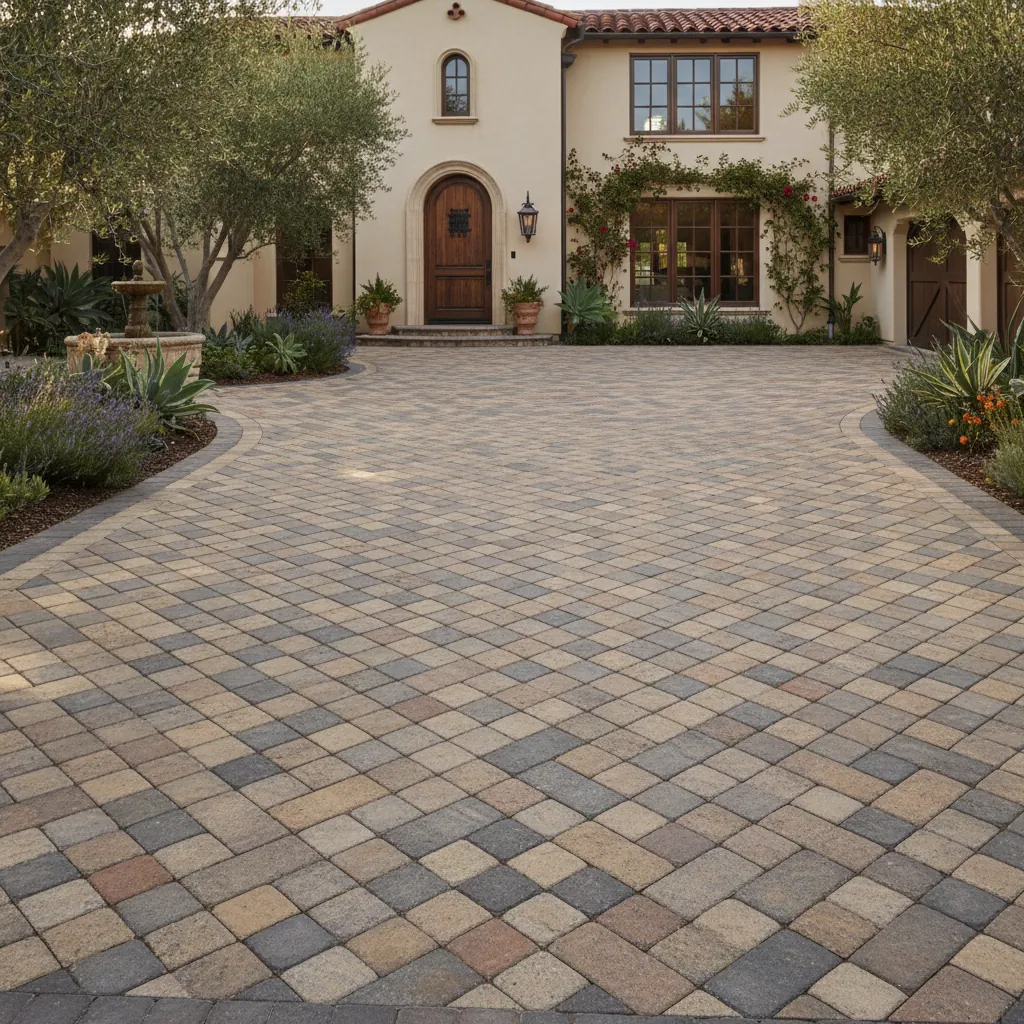
A highly versatile option; steep canyon driveways or limited access can increase preparation and labor costs.
Includes specialized deep aggregate layers to manage runoff on hillside properties and align with LADWP-friendly water infiltration designs.
Often selected for luxury pool decks and patios overlooking coastal bluffs, requiring specialized sealing to withstand marine air.
Typical market ranges for the Greater Los Angeles area, not a quote or a guarantee. The price of your job depends on its scope, so ask each pro for a written estimate before you decide.
Designing outdoor spaces in Pacific Palisades requires a deep appreciation for our dramatic coastal vistas and distinct hillside topography. From estates near Temescal Canyon to properties steps from the Village, local homeowners deserve hardscaping that matches both the beauty and the geological demands of the area.
The stunning geography of Pacific Palisades, defined by coastal bluffs and canyons stretching toward the Santa Monica Mountains, presents unique engineering challenges for hardscaping.
Our local bluff and canyon soils are prone to shifting and expansion, meaning standard sub-base preparation is never enough. Paver installations here must feature meticulous grading, deep aggregate base layers, and flexible interlocking designs to withstand soil movement and comply with strict Very High Fire Hazard Severity Zone safety standards.
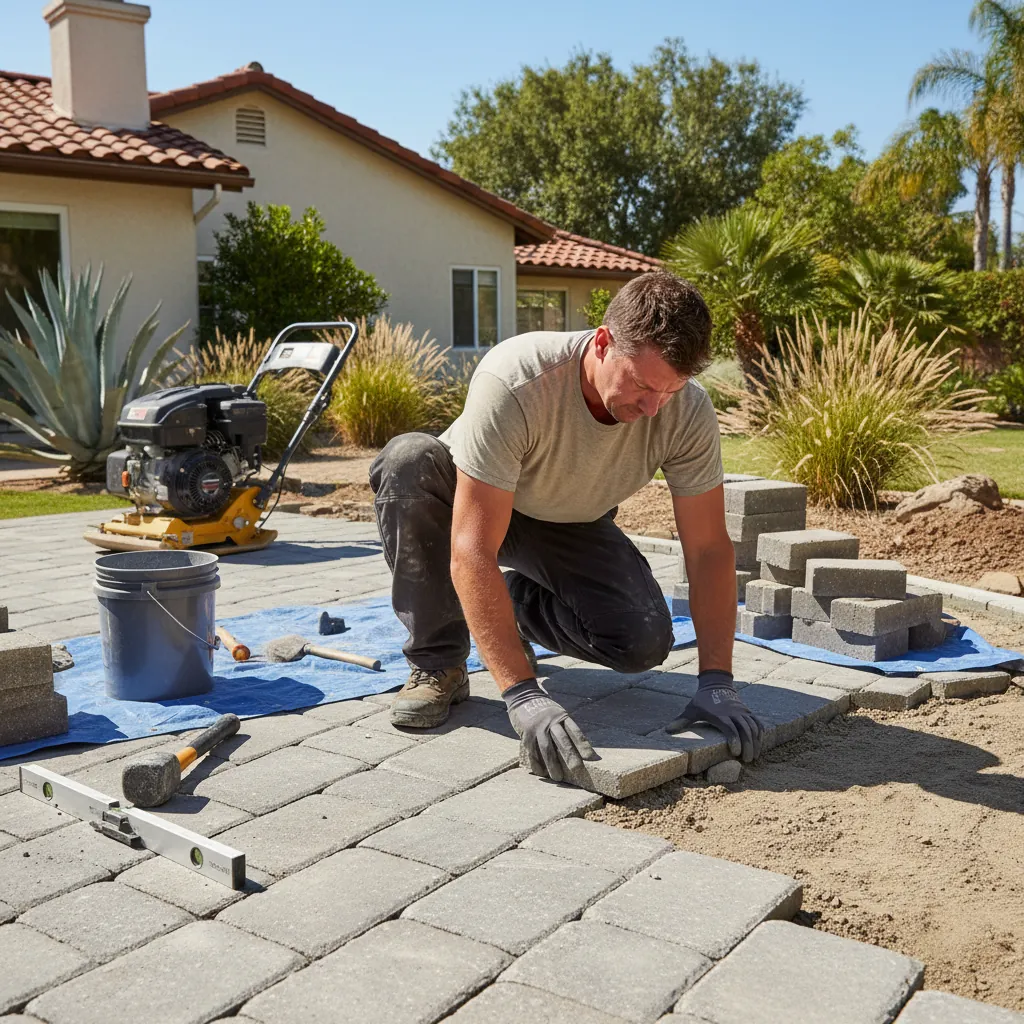
Site assessment analyzing slope, drainage patterns, and soil stability.
Excavation to the precise depth required for the specific soil type and weight load.
Laying a heavy-duty geotextile separation fabric to prevent soil migration.
Installation and mechanical compaction of the crushed aggregate base and bedding sand.
Precise hand-laying of the chosen pavers with robust edge restraints to prevent lateral shifting.
Joint sanding, final compaction, and application of a breathable, UV-resistant sealer.
ContractorPro.Leads doesn't do the work itself. We pass your Pacific Palisades project to up to four local paver installers who take this kind of job, and you decide whether to hire any of them.
Whether you are updating a mid-century coastal home along the winding curves of Sunset Blvd or designing an expansive backyard terrace near Palisades Village, your hardscaping must blend seamlessly with the natural landscape. The transition from the rugged slopes of Temescal Canyon to manicured coastal mesas demands a sophisticated aesthetic. Local contractors specialize in choosing materials that complement this Mediterranean-inspired setting while managing steep slopes and marine air.
Tell us what you have in mind. We'll pass it to up to four local pros, and they'll contact you to talk it through.
In most cases, standard flatwork like paver patios or driveways on grade do not require a formal LADBS building permit. However, if your project involves retaining walls over four feet, significant grading on steep hillsides, or sits directly on a protected coastal bluff, LADBS permits and geological reviews are required.
Our canyon and bluff soils are prone to shifting and expansion. Standard concrete slab patios often crack under these conditions. Interlocking pavers are highly recommended here because they flex individually with minor ground movement without cracking or failing.
While LADWP doesn't directly rebate the pavers themselves, installing permeable pavers helps reduce storm runoff and can integrate with broader water-smart landscaping transformations that qualify for LADWP turf replacement rebates.
A standard 1,000-square-foot driveway or patio typically takes 5 to 8 business days. Complex hillside projects near the canyons that require extra grading, soil stabilization, or retaining walls may take longer.
Pacific Palisades' coastal air carries salt and moisture that can accelerate weathering. Applying a high-quality, breathable joint sand stabilizer and sealer every 3 to 5 years protects the stone from salt-air degradation and prevents weed growth.
