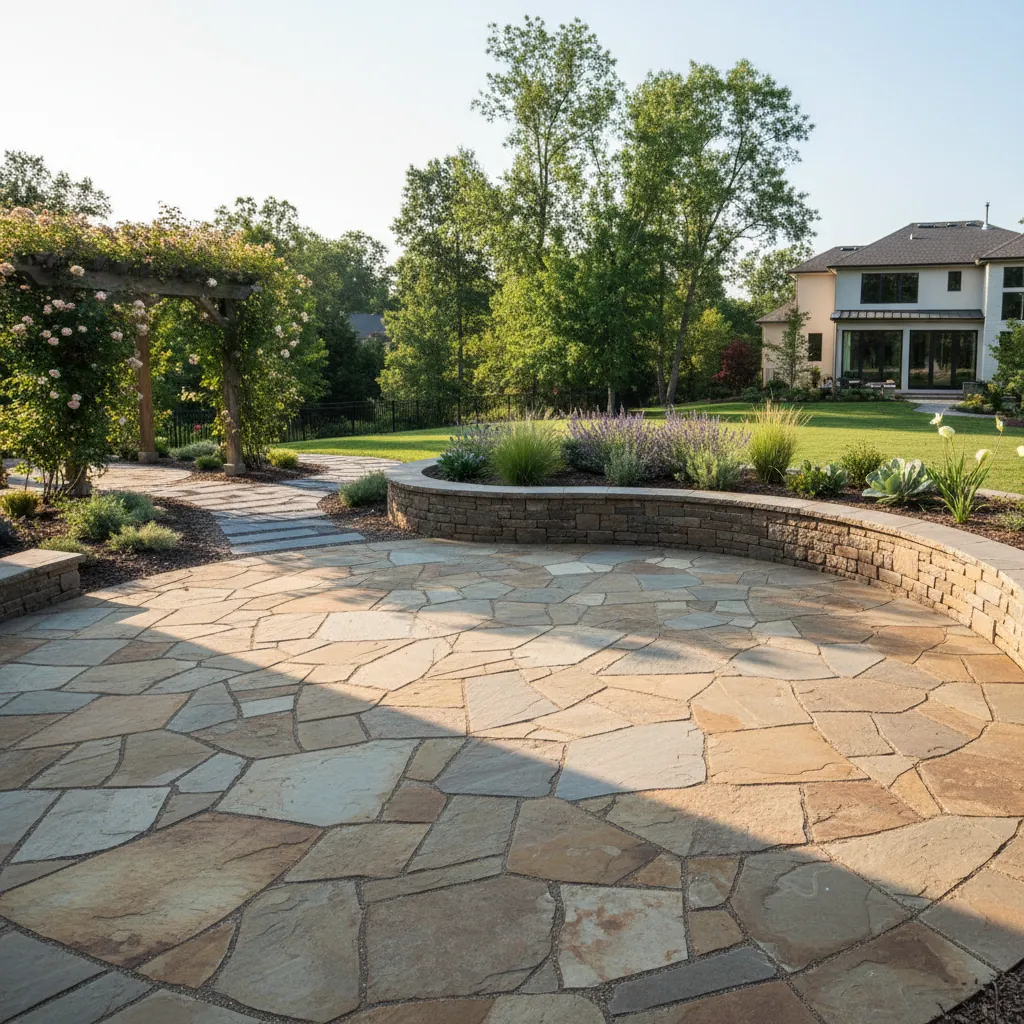
Typical Valley Glen costs, permit steps and timelines are below. When you are ready, describe your project and up to four local hardscape contractors serving Valley Glen will contact you. You compare and decide.
Nestled in the heart of the San Fernando Valley, Valley Glen homes often feature generous backyard footprints perfect for outdoor living. Upgrading your property with high-quality paving, walkways, or low-water patios not only expands your usable space but also reduces irrigation demands under local water restrictions. We connect you with experienced local hardscape contractors who understand the unique layout and design potential of properties in the 91405 ZIP code.
Valley Glen sits on a flat central Valley floor composed of alluvial wash soils from the nearby Tujunga Wash, which can fluctuate between sandy patches and heavy clay.
This shifting foundation, combined with extreme San Fernando Valley summer heat, requires precise sub-base compaction and thermal expansion joints to prevent concrete cracking and paver shifting. Furthermore, proper grading is critical here to handle sudden seasonal downpours without water pooling on these flat lots.
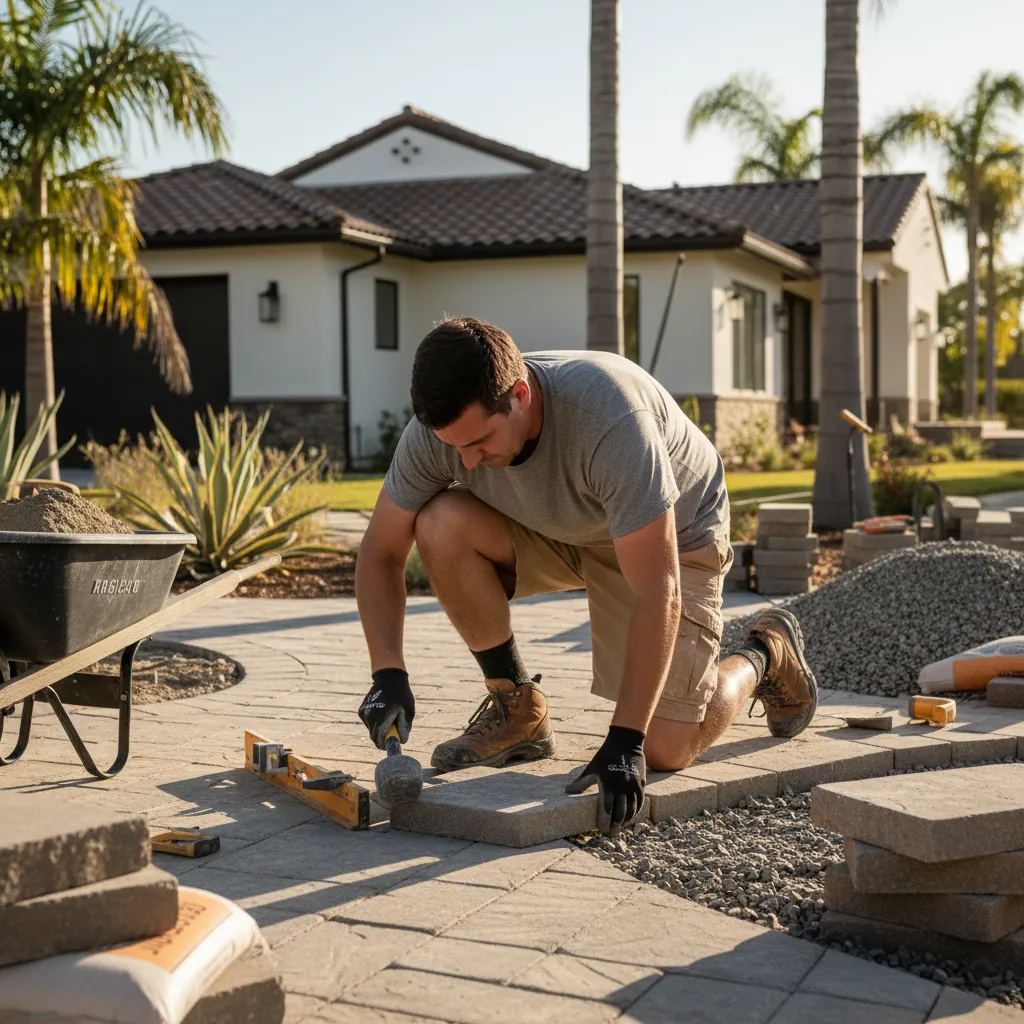
Pricing varies based on paver material selection and the level of soil excavation and base stabilization required for Valley Glen's alluvial soils.
Clearing away old cracked concrete driveways or patios common in older mid-century Valley Glen homes before new installation begins.
Involves deeper sub-base preparation with specialized open-graded aggregate layers to ensure rapid stormwater infiltration.
Typical market ranges for the Greater Los Angeles area, not a quote or a guarantee. The price of your job depends on its scope, so ask each pro for a written estimate before you decide.
Initial site assessment, soil composition analysis, and elevation mapping
Demolition of existing concrete and excavation to the required depth
Laying geotextile fabric and installing a highly compacted aggregate base
Setting edge restraints and spreading a precise layer of bedding sand
Laying pavers or pouring concrete with engineered expansion joints
Applying joint sand, compacting the surface, and applying a protective heat-resistant sealer
ContractorPro.Leads doesn't do the work itself. We pass your Valley Glen project to up to four local hardscape contractors who take this kind of job, and you decide whether to hire any of them.
From the ranch-style properties near Los Angeles Valley College to homes bordering the Tujunga Wash Greenway and the busy corridor of Burbank Blvd, Valley Glen’s residential streets showcase a mix of mid-century charm and modern upgrades. Implementing permeable pavers or custom stone patios helps local homeowners comply with LADWP water-conservation goals while creating beautiful, heat-resistant outdoor dining and entertaining spaces.
Tell us what you have in mind. We'll pass it to up to four local pros, and they'll contact you to talk it through.
Simple paver patios and low retaining walls under 3 feet generally do not require a permit. However, major structural concrete, tall retaining walls, or significant grading must be permitted through the Los Angeles Department of Building and Safety (LADBS).
Yes. Replacing thirsty grass with permeable pavers can significantly lower your water bill and make you eligible for the LADWP Turf Replacement Program rebate, provided you meet their specific permeable surface requirements.
The alluvial soil from the Tujunga Wash basin can shift and settle unevenly. Professional installers use geotextile fabrics and thick, thoroughly compacted aggregate bases to stabilize the ground before laying any hardscape elements.
Pouring concrete or setting pavers in triple-digit summer heat can cause materials to dry too quickly, leading to structural weakness. Contractors often start work in the early morning or schedule projects during milder months to ensure proper curing and material integrity.
ContractorPro.Leads doesn't check licenses or insurance, so take a few minutes before you sign. Look up the company's license at cslb.ca.gov and confirm it is active and covers this type of work. Ask for current certificates of general liability insurance and, if the company has employees, workers' compensation. Then get a written contract that says who pulls the Los Angeles Dept. of Building and Safety (LADBS) permits.
