Typical Valley Glen costs, permit steps and timelines are below. When you are ready, describe your project and up to four local electricians serving Valley Glen will contact you. You compare and decide.
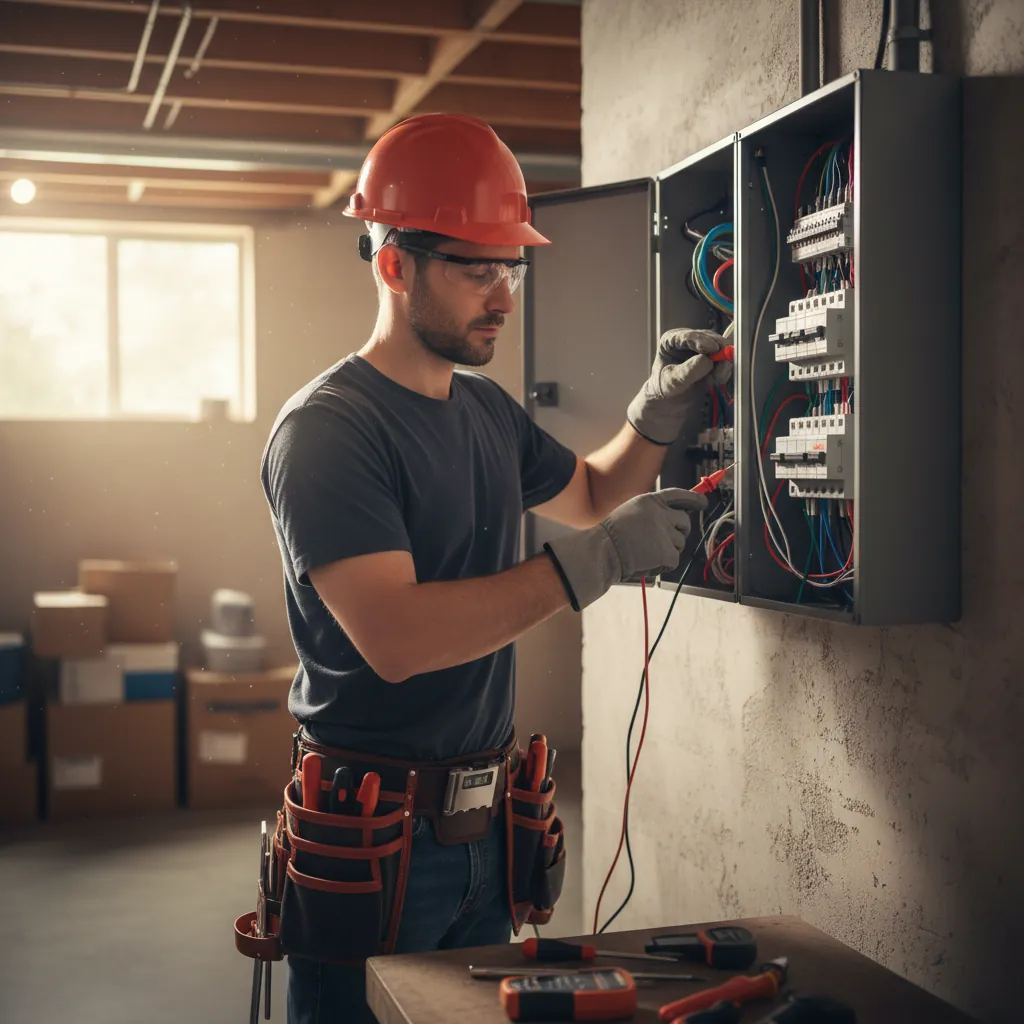
Initial on-site load calculation to evaluate your current electrical panel capacity.
Preparation of detailed electrical plans for LADBS permit submission, if required.
Safe disconnection and lock-out/tag-out of existing circuits before starting work.
Installation of high-quality, code-compliant wiring, panels, or fixtures.
Rigorous testing of grounding, bonding, and circuit polarity.
Coordination of final inspection with the Los Angeles Department of Building and Safety.
Necessary for older Valley Glen ranch homes adding central A/C or EV chargers. Cost depends on the distance from the utility drop and LADBS permitting fees.
Depending on the proximity of your garage or carport to your main electrical panel and if any trenching or panel upgrading is needed.
Typical for mid-century Valley Glen homes with aging ungrounded Romex, requiring plaster patching and extensive labor.
Required for high-draw appliances like new Valley-summer A/C window units, clothes dryers, or kitchen remodels.
Typical market ranges for the Greater Los Angeles area, not a quote or a guarantee. The price of your job depends on its scope, so ask each pro for a written estimate before you decide. Bars share one scale, so you can compare project sizes.
Homes in Valley Glen, from classic mid-century ranch homes near Los Angeles Valley College to newer builds along Burbank Boulevard, rely on robust electrical systems to handle modern demands. As San Fernando Valley summers bring intense heat, keeping your air conditioning, panel, and wiring in peak condition is vital for safety and comfort. We connect you with local electrical contractors who understand the unique infrastructure of our flat Valley floor community.
The intense heat of San Fernando Valley summers drives prolonged air conditioning use, pushing older 100-amp panels in Valley Glen to their absolute limit.
Furthermore, the neighborhood's flat terrain along the Tujunga Wash features alluvial soils that transition from sandy to clay-rich, meaning shifting ground can stress underground service conduits. Ensuring your grounding electrodes and service entry points are correctly installed according to LADBS standards is critical to preventing thermal hazards and power fluctuations during peak summer months.
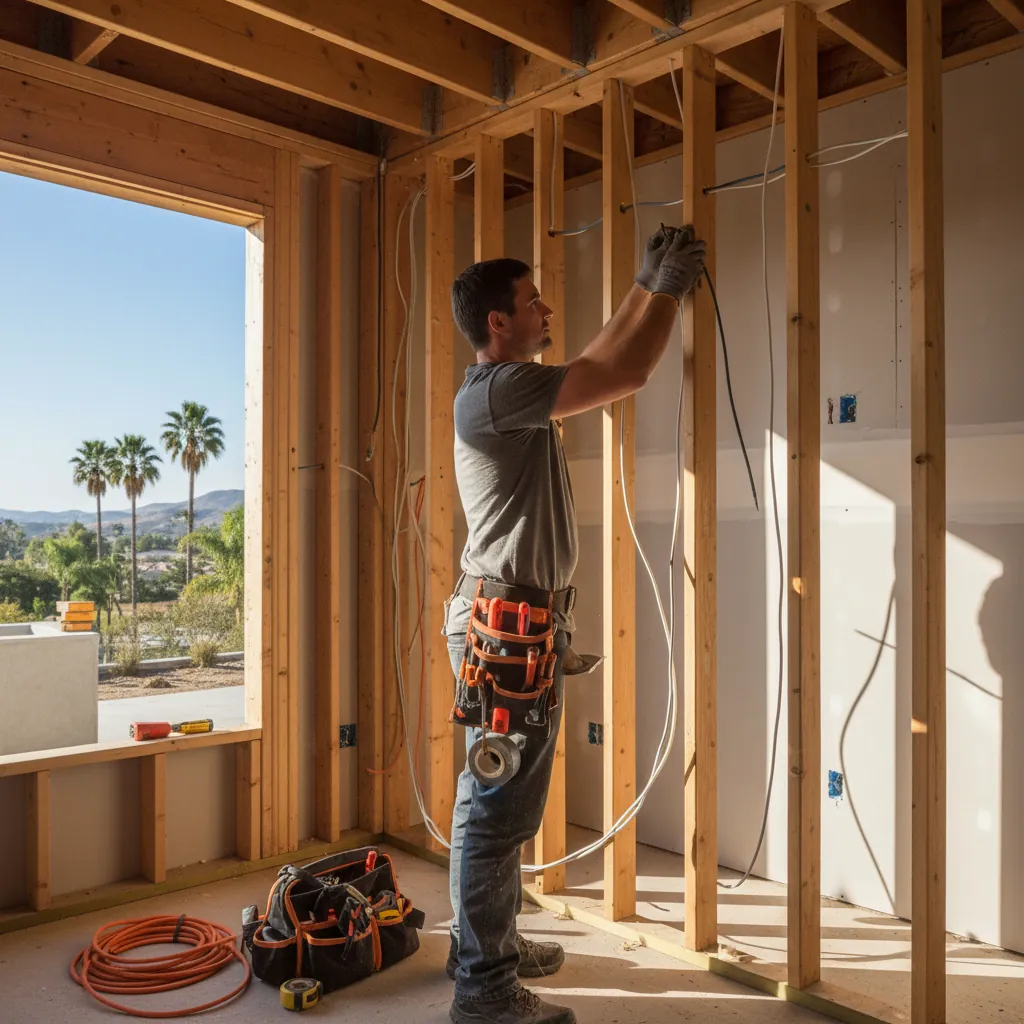
ContractorPro.Leads doesn't do the work itself. We pass your Valley Glen project to up to four local electricians who take this kind of job, and you decide whether to hire any of them.
Whether you reside in a quiet residential pocket near the Tujunga Wash Greenway or manage a property closer to the bustling corridor of Burbank Boulevard, Valley Glen's electrical needs are distinct. Many homes here were built during the mid-century suburban expansion, meaning their original wiring may not have been designed for modern EV chargers or high-efficiency HVAC systems. Local electrical pros are highly familiar with these specific tracts, ensuring seamless upgrades that align with both LADWP guidelines and neighborhood aesthetics.
Tell us what you have in mind. We'll pass it to up to four local pros, and they'll contact you to talk it through.
For straightforward projects like panel upgrades or EV charger installations, LADBS often issues express 'over-the-counter' permits online or at local Valley constituent centers in nearby Van Nuys. However, larger projects requiring plan check can take 2 to 4 weeks before local contractors can schedule the work.
Yes, LADWP offers significant rebates for residential Level 2 EV charger installations and sometimes has programs for panel upgrades when coupled with energy-efficiency improvements. The local electrical contractors we connect you with can help compile the necessary documentation to ensure you qualify.
This is a common issue on the hot Valley floor when neighborhood-wide A/C usage spikes, straining the grid. However, if it only happens when your own A/C kicks on, it usually points to an overloaded home electrical panel or a loose neutral wire, which should be inspected immediately by a professional.
Yes, Valley Glen's alluvial wash soils expand and contract with seasonal moisture changes. Any underground conduit must be buried to strict LADBS depth specifications (typically 18 to 24 inches depending on the conduit material) and use flexible expansion joints to prevent the wires from shearing as the soil shifts.
Not unless you are performing a major remodel or upgrading your service panel. However, if you have ungrounded two-prong outlets, adding GFCI protection or upgrading critical circuits is highly recommended for modern appliance safety, even if a full rewire isn't legally triggered.
