Typical Valley Glen costs, permit steps and timelines are below. When you are ready, describe your project and up to four local HVAC contractors serving Valley Glen will contact you. You compare and decide.
Maintaining a comfortable indoor climate in Valley Glen requires systems that can withstand the intense, dry heat of the San Fernando Valley. Our platform connects you with experienced local HVAC contractors who understand the unique demands of homes near Los Angeles Valley College and along the Burbank Boulevard corridor. These professionals ensure your heating and cooling systems run efficiently year-round, keeping your home a sanctuary from the elements.
The flat terrain of the Valley Glen wash floor, combined with sandy and clay-rich alluvial soils, means dust and particulate matter can easily accumulate in outdoor condenser units during hot, dry winds.
Compounding this, local LADBS permit requirements for HVAC installations demand strict adherence to City of Los Angeles energy efficiency mandates. A knowledgeable contractor must properly size your system to handle these heavy dust loads and high summer temperatures without overtaxing your electrical panel.
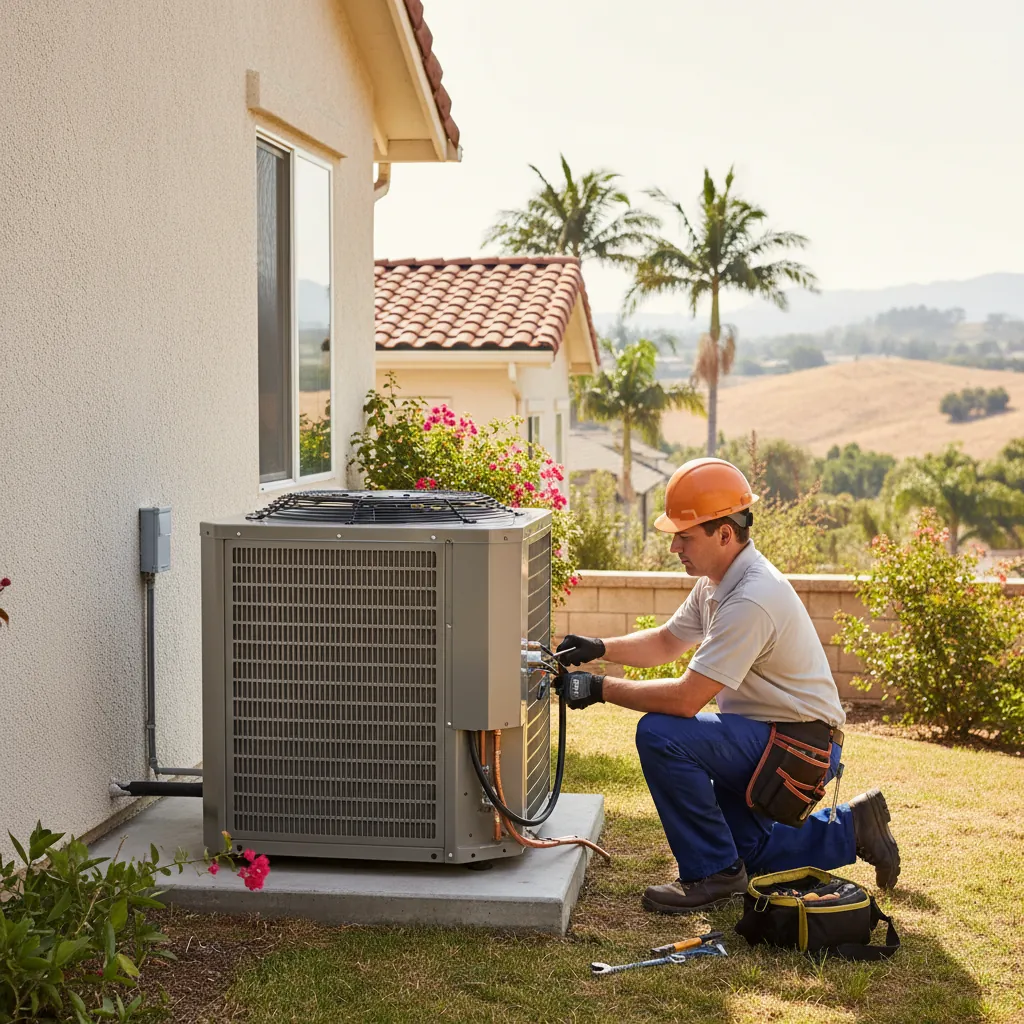
Fits typical ranch-style homes in Valley Glen; pricing varies depending on unit size (tonnage) and accessibility of the outdoor installation area.
Includes high-efficiency units and minor ductwork modifications to comply with Title 24 energy standards in Los Angeles.
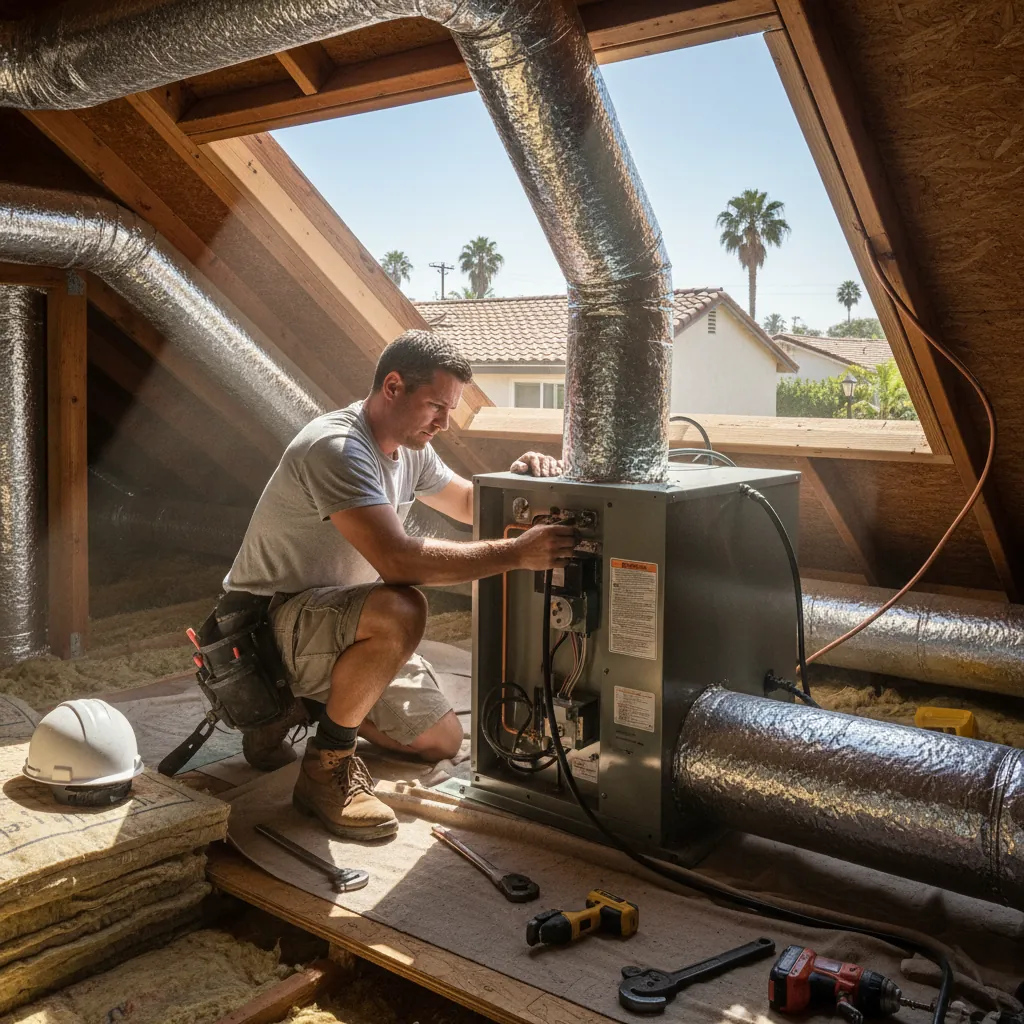
Crucial for older Valley Glen properties with deteriorated or uninsulated ducts that leak cool air into hot attics.
Typical market ranges for the Greater Los Angeles area, not a quote or a guarantee. The price of your job depends on its scope, so ask each pro for a written estimate before you decide. Bars share one scale, so you can compare project sizes.
Conduct an on-site load calculation to determine the ideal system size for your home's layout.
Inspect existing ductwork for leaks, dust buildup, and insulation integrity.
Select energy-efficient equipment eligible for LADWP rebates and federal tax credits.
Secure all necessary permits from the Los Angeles Department of Building and Safety (LADBS).
Perform precision installation, charge refrigerant, and test system airflow dynamics.
Provide homeowner with operational guidance and documentation for CSLB-registered warranties.
ContractorPro.Leads doesn't do the work itself. We pass your Valley Glen project to up to four local HVAC contractors who take this kind of job, and you decide whether to hire any of them.
Valley Glen's residential streets—stretching from the peaceful Tujunga Wash Greenway to the busy commercial strip of Burbank Boulevard—are lined with classic mid-century ranch homes and newer multi-family residences. This mix of architectural styles means that heating and cooling needs vary widely from block to block. Whether you are updating a historic home near the Los Angeles Valley College campus or optimizing a modern townhouse, local HVAC specialists can tailor ductwork and system placements to match your property's specific layout and sun exposure.
Tell us what you have in mind. We'll pass it to up to four local pros, and they'll contact you to talk it through.
Yes, the Los Angeles Department of Building and Safety (LADBS) requires a permit for all HVAC replacements to ensure compliance with California's Title 24 energy efficiency standards and structural safety.
For standard residential replacements, LADBS often offers expedited 'express' permits online, which can be secured in 1 to 3 business days, though complex installations requiring structural alterations may take longer.
Valley Glen homeowners served by LADWP can take advantage of rebates for high-efficiency central air conditioners, heat pumps, and smart thermostats, often saving hundreds of dollars on qualifying equipment.
The sandy, alluvial wash soils and dry winds in Valley Glen lead to high ambient dust levels. This requires cleaning outdoor condenser coils annually and replacing indoor filters more frequently to prevent airflow restrictions and high energy bills.
Late winter or early spring is ideal. Avoiding the peak summer rush means faster response times from local contractors, and you'll have your new system fully operational before the intense San Fernando Valley heat waves begin.
