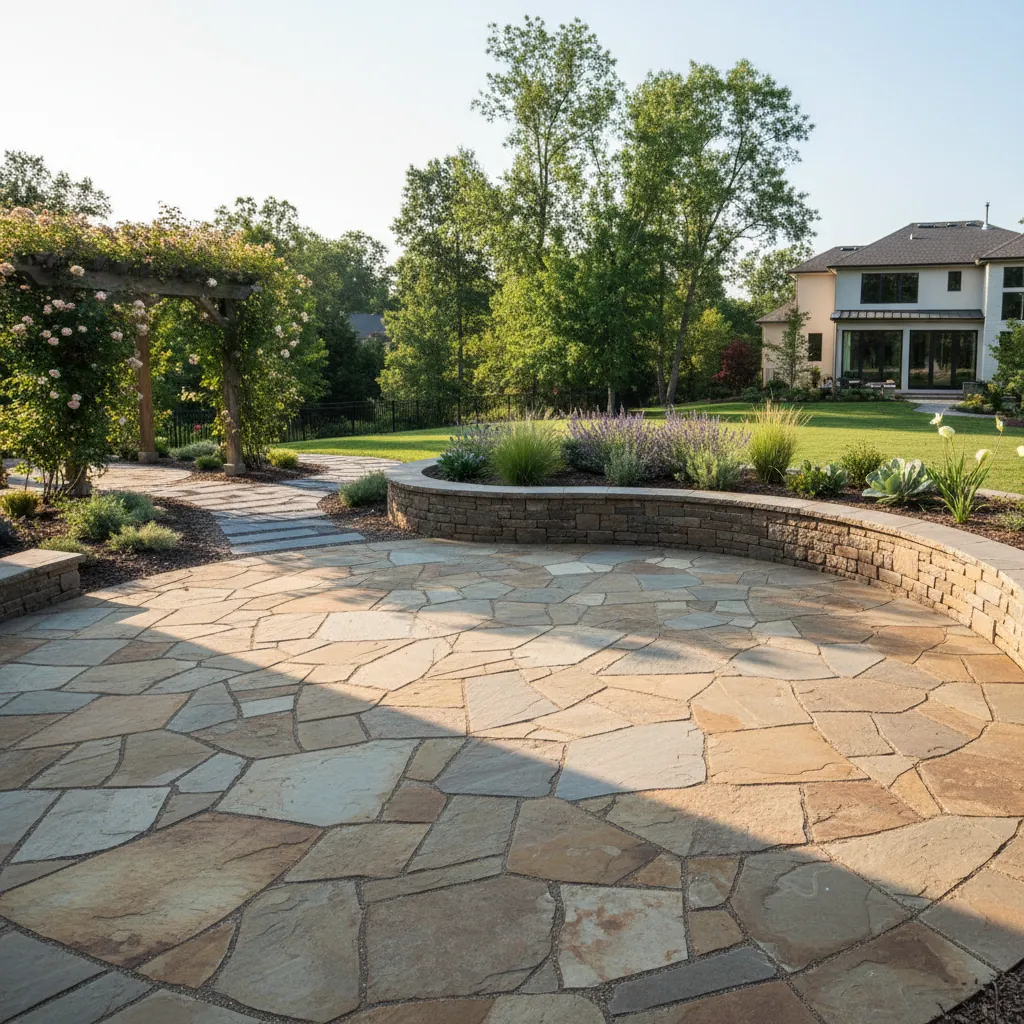
Typical La Crescenta-Montrose costs, permit steps and timelines are below. When you are ready, describe your project and up to four local hardscape contractors serving La Crescenta-Montrose will contact you. You compare and decide.
Nestled along the base of the San Gabriel Mountains, homes in La Crescenta-Montrose enjoy beautiful mountain vistas that deserve equally stunning outdoor living spaces. Whether you want to install a stone patio or secure a sloping yard, these experienced contractors can bring your vision to life.
Designing hardscapes in the 91214 ZIP code requires navigating a steep, sloping alluvial fan terrain with highly rocky, fast-draining soil.
Because of our proximity to the mountains and high wildfire risk, selecting non-combustible materials is critical, as is ensuring proper drainage to prevent erosion during heavy winter rains. Furthermore, substantial retaining structures on these slopes require precise engineering and approval from the LA County Public Works, Building and Safety Division.
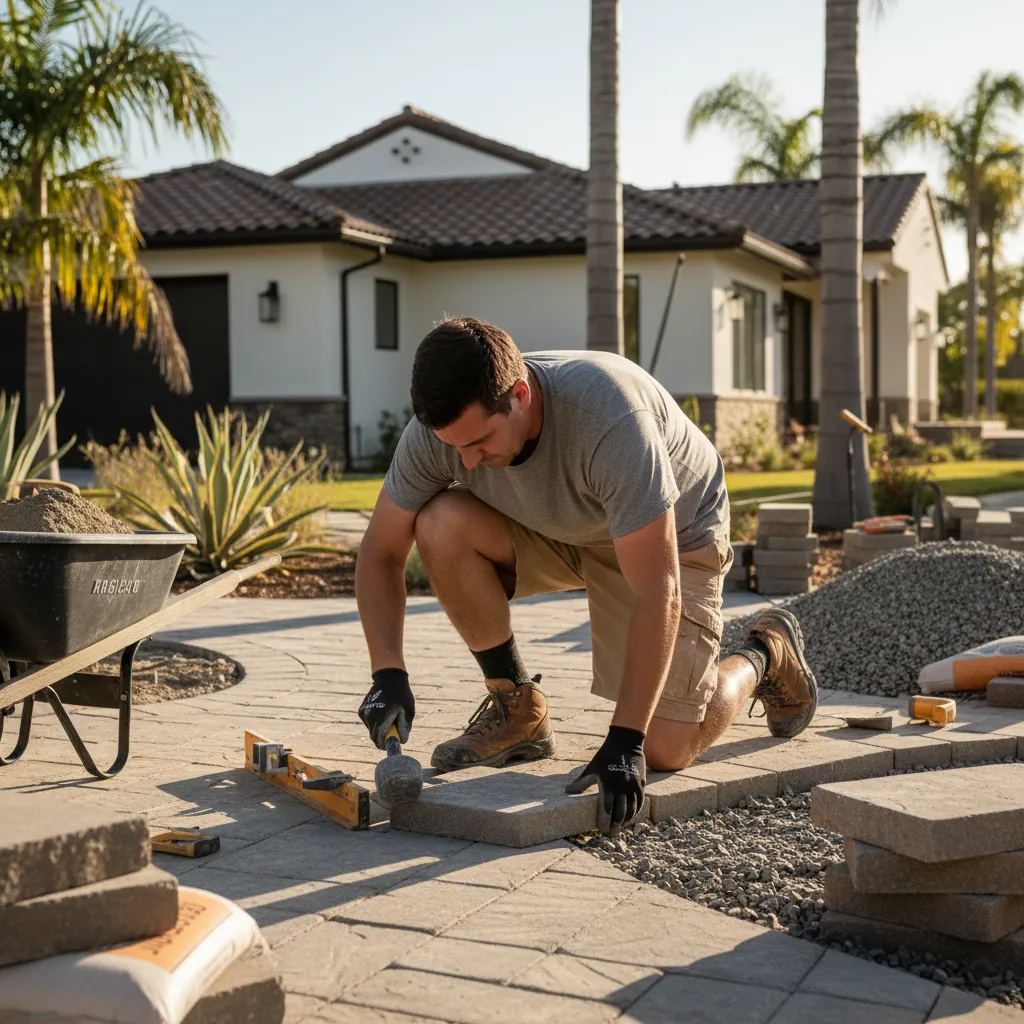
Cost depends on the complexity of grading needed on our sloped foothill terrain and the specific stone selected.
Crucial for sloping yards; prices vary based on height, engineering requirements, and LA County permit fees.
Typically includes non-combustible stone patios, built-in masonry seating, and defensible space clearing near hillside areas.
Typical market ranges for the Greater Los Angeles area, not a quote or a guarantee. The price of your job depends on its scope, so ask each pro for a written estimate before you decide.
Site assessment of slope stability, soil composition, and drainage patterns
Design rendering incorporating fire-safe materials and local setback requirements
Permit acquisition through LA County Public Works for structural elements
Excavation and clearing of rocky alluvial-fan soil and native vegetation
Sub-base preparation with proper compaction and drainage pipe installation
Laying of stone, pavers, or concrete followed by final joint sealing
ContractorPro.Leads doesn't do the work itself. We pass your La Crescenta-Montrose project to up to four local hardscape contractors who take this kind of job, and you decide whether to hire any of them.
From the historic, tree-lined residential blocks near Honolulu Avenue to the hillside properties rising above Foothill Boulevard, La Crescenta-Montrose boasts a unique, rustic charm. Many homeowners near Crescenta Valley Park utilize terraced stone retaining walls to tame steep backyards, creating flat spaces for outdoor dining and native plantings. Successful local hardscaping respects this rugged foothill aesthetic, utilizing natural stone and pavers that blend seamlessly with the natural mountain backdrop.
Tell us what you have in mind. We'll pass it to up to four local pros, and they'll contact you to talk it through.
Yes, if the retaining wall is over four feet tall measured from the bottom of the footing to the top of the wall, or if it supports a surcharge like a slope or driveway. Permits are issued by the LA County Public Works, Building and Safety Division, and typically require engineered plans due to our hillside terrain.
Our rocky, fast-draining alluvial-fan soil is excellent for natural drainage but makes excavation physically challenging. Local contractors must account for large subterranean cobble and boulders when digging footings, which can sometimes impact labor timelines.
While the Crescenta Valley Water District does not rebate solid stone patios directly, they do offer incentives for turf replacement when you transition to permeable hardscaping, such as gravel pathways or permeable pavers, paired with drought-tolerant native plants.
Late spring through autumn is ideal. While our summers get hot, the dry weather is perfect for concrete pouring and earthmoving. Starting before the winter rains hit helps prevent soil erosion issues on sloped properties during heavy downpours.
Homes near the San Gabriel foothills must prioritize defensible space. Local pros recommend non-combustible materials like natural stone, concrete pavers, and brick for patios and pathways, keeping flammable wood decking away from the immediate perimeter of the home.
