Typical La Crescenta-Montrose costs, permit steps and timelines are below. When you are ready, describe your project and up to four local paver installers serving La Crescenta-Montrose will contact you. You compare and decide.
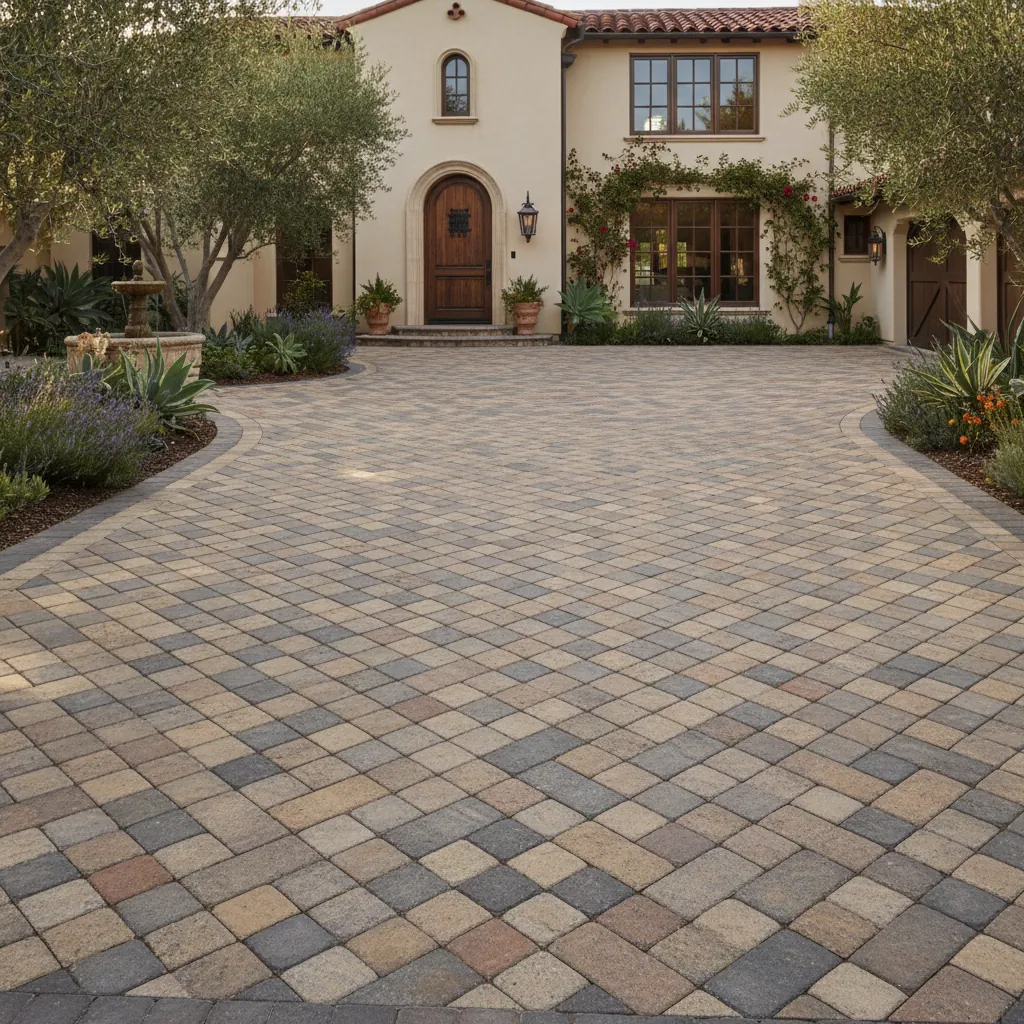
Includes excavation and standard base preparation; steep slopes or exceptionally rocky ground can increase labor costs.
Requires specialized multi-layered gravel beds to facilitate rapid water infiltration, highly recommended for sloped hillside properties.
Reflects the cost of high-end materials like slate or travertine that match the rustic, natural aesthetic of the San Gabriel foothills.
Typical market ranges for the Greater Los Angeles area, not a quote or a guarantee. The price of your job depends on its scope, so ask each pro for a written estimate before you decide.
Nestled against the majestic San Gabriel Mountains, homes in the La Crescenta-Montrose area demand outdoor spaces that are as resilient as they are beautiful. Whether you are updating a driveway off Foothill Boulevard or creating a terraced backyard patio to enjoy our cooler foothill evenings, we connect you with experienced local hardscaping contractors. These professionals understand how to design and build durable stone and concrete paver systems tailored to our unique local landscape.
Hardscaping in La Crescenta-Montrose requires addressing the sloping terrain of our alluvial fan and the rocky, fast-draining soil beneath it.
While this soil provides excellent natural drainage, excavating the rocky earth is highly labor-intensive, and sloping properties require meticulous base stabilization to prevent shifting during heavy seasonal rains. Furthermore, given our high wildfire risk near the mountain boundaries, strategically placed non-combustible pavers serve as an essential defensive firebreak around your home.
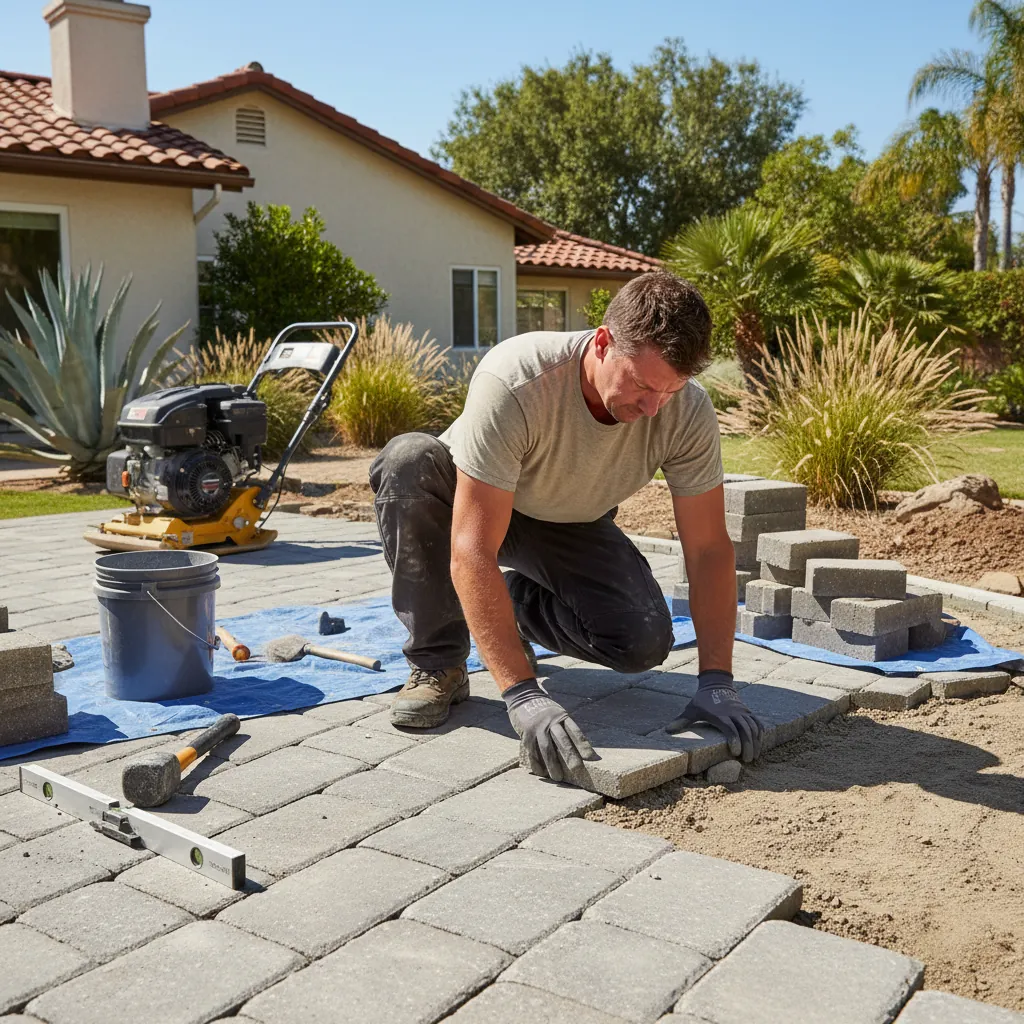
Comprehensive site evaluation to assess slope, drainage paths, and proximity to the wildland-urban interface.
Excavation of the rocky alluvial soil to the precise depth required for a stable foundation.
Placement of a heavy-duty geotextile fabric to separate the subgrade soil from the stone base.
Installation and mechanical compaction of the crushed aggregate base and bedding sand layer.
Precision laying of the pavers in the selected pattern, followed by secure edge restraints.
Application of joint sand and final compaction to lock the pavers into a unified, interlocking surface.
ContractorPro.Leads doesn't do the work itself. We pass your La Crescenta-Montrose project to up to four local paver installers who take this kind of job, and you decide whether to hire any of them.
From the historic, oak-shaded neighborhoods near Crescenta Valley Park to the vibrant, walkable stretch of Honolulu Ave, properties here range from mid-century ranch homes to modern hillside retreats. The local terrain means that outdoor surfaces must handle both steep grades and intense summer heat. Properly engineered interlocking pavers offer the flexibility to withstand minor ground movement and thermal expansion without cracking like solid poured concrete.
Tell us what you have in mind. We'll pass it to up to four local pros, and they'll contact you to talk it through.
For standard, flat paver installations on grade, a permit is typically not required. However, if your project is located in unincorporated Los Angeles County and involves grading, terracing, or building structural retaining walls over four feet tall to level a slope, you must obtain a permit from the LA County Public Works, Building and Safety Division.
Interlocking pavers are ideal for our foothill climate. Unlike solid concrete, which easily cracks due to the thermal expansion and contraction caused by hot summer afternoons and cool mountain nights, the sand-filled joints between pavers allow the system to flex naturally without damage.
The rocky, fast-draining soil typical of our alluvial fan is highly stable once compacted, which is excellent for pavers. However, the initial excavation is physically demanding and often requires heavy-duty machinery to clear buried stones, which can slightly increase preparation costs compared to softer clay soils.
While the Crescenta Valley Water District does not always offer direct rebates for paver square footage, they strongly encourage sustainable landscaping practices. Installing permeable pavers helps you meet local low-impact development goals by keeping stormwater on your property rather than letting it run off into municipal drains.
Yes. Creating a non-combustible zone within the first five feet of your home's exterior is a key recommendation for wildfire defensible space. Replacing dry mulch or flammable plants near your foundation with concrete or stone pavers provides a beautiful, highly effective fire barrier.
