Typical La Crescenta-Montrose costs, permit steps and timelines are below. When you are ready, describe your project and up to four local patio cover builders serving La Crescenta-Montrose will contact you. You compare and decide.
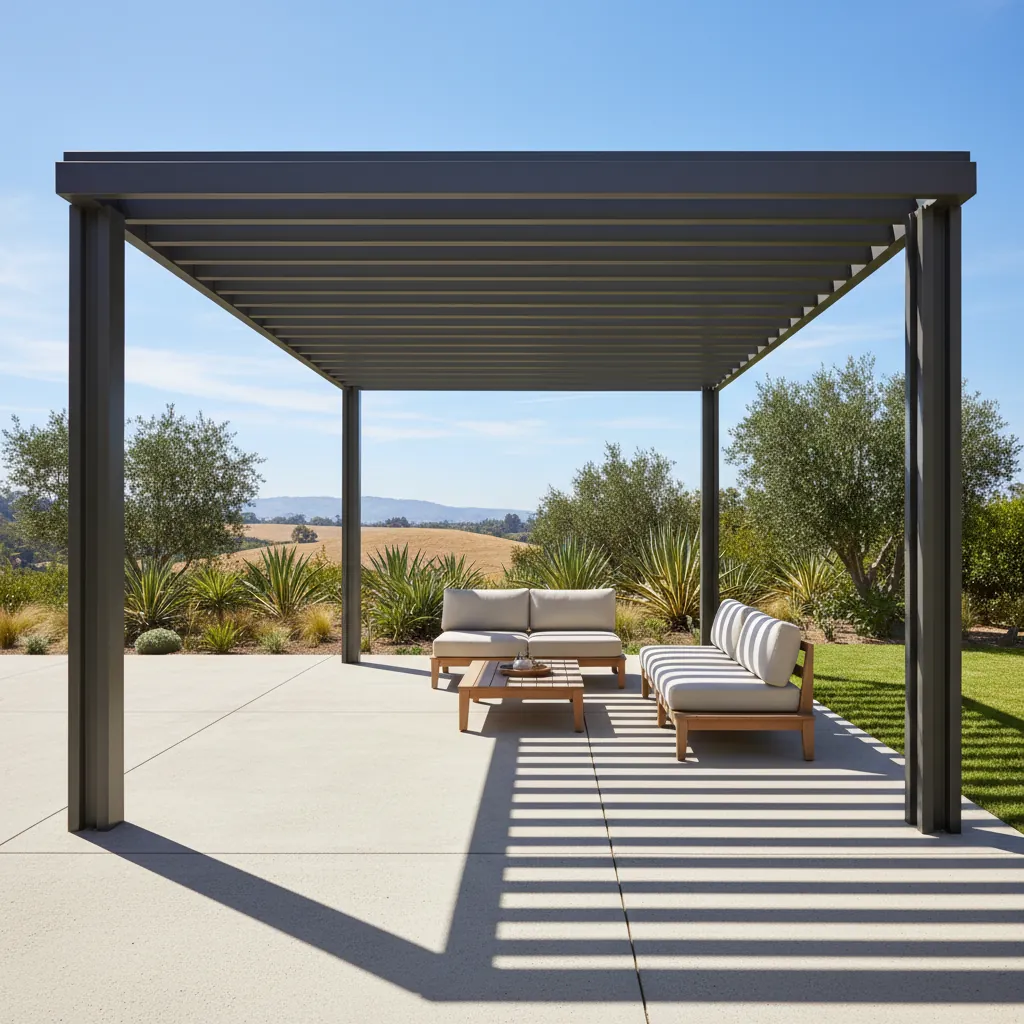
Nestled along the scenic San Gabriel foothills, La Crescenta-Montrose homes enjoy beautiful mountain vistas but face intense summer heat and strong downslope winds. A durable, custom-designed patio cover extends your usable outdoor living space, providing essential shade during peak afternoon hours. We connect you with experienced local contractors who understand how to design outdoor structures tailored to this unique microclimate.
Building a patio cover on La Crescenta's sloping alluvial fan requires deep, secure footings anchored in rocky, fast-draining soil.
Because of the high wildfire risk near the mountains, structures must adhere to strict Los Angeles County Wildland-Urban Interface (WUI) building codes, utilizing ignition-resistant materials like heavy timber or powder-coated aluminum. Navigating these specialized engineering and zoning requirements is critical for ensuring your cover withstands both high winds and strict local safety inspections.
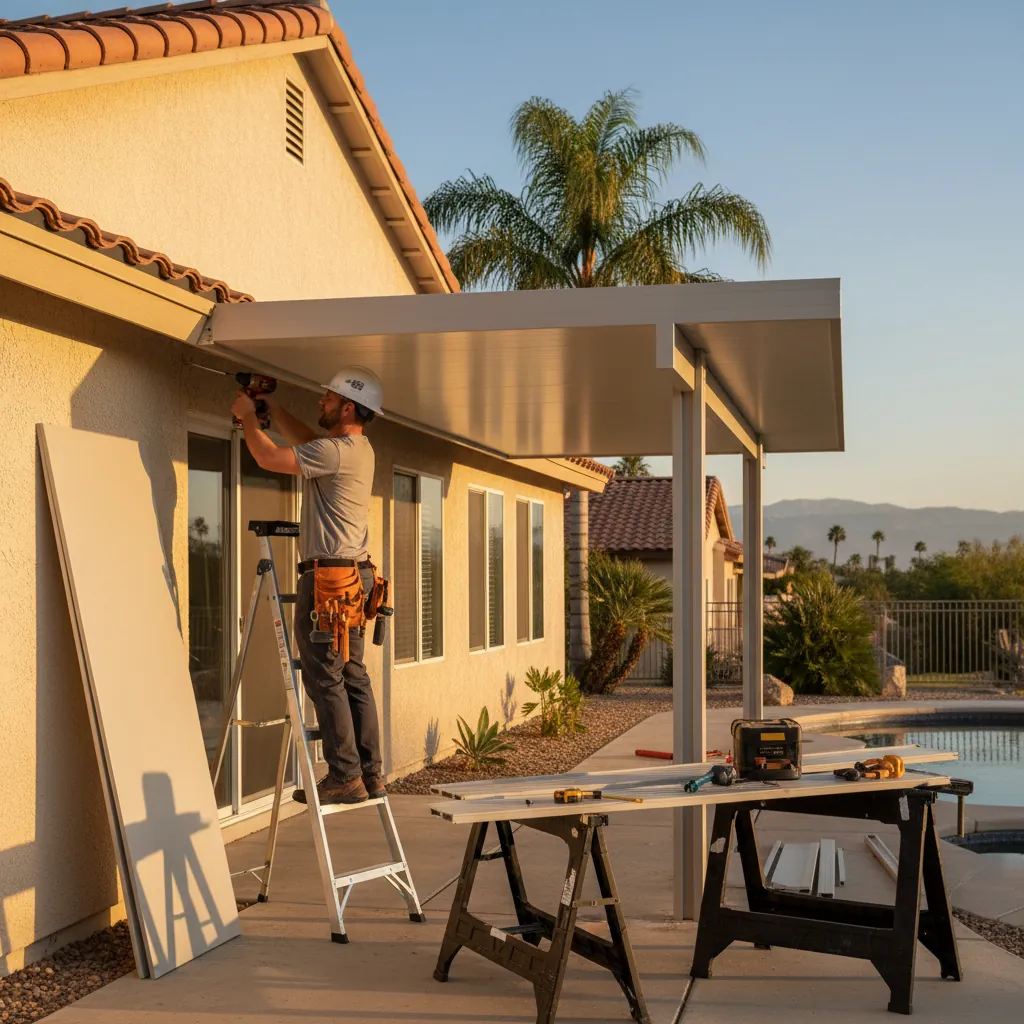
Extremely popular in La Crescenta for its fire resistance, low maintenance, and durability under intense UV rays.
Requires treated, fire-retardant heavy timber to meet LA County safety codes, pushing material and specialized labor costs higher.
Necessary for obtaining approvals through the LA County Building and Safety Division, especially on sloped terrain or near mountain fire zones.
Typical market ranges for the Greater Los Angeles area, not a quote or a guarantee. The price of your job depends on its scope, so ask each pro for a written estimate before you decide. Bars share one scale, so you can compare project sizes.
Site assessment to analyze slope, sun angles, and soil conditions
Engineering and drafting of plans meeting LA County WUI building codes
Submission of permit applications to the LA County Public Works, Building and Safety Division
Excavation of deep, engineered footings in rocky alluvial soil
Installation of the support posts, framing, and ignition-resistant cover material
Final inspection approval by LA County building officials
ContractorPro.Leads doesn't do the work itself. We pass your La Crescenta-Montrose project to up to four local patio cover builders who take this kind of job, and you decide whether to hire any of them.
Whether your home sits near the bustling shops along Honolulu Avenue, up closer to the steep mountain trailheads, or near the oak groves of Crescenta Valley Park, your outdoor space deserves a shaded retreat. From Foothill Boulevard up into the rising canyon streets, the local slope dictates how sun hits your backyard throughout the day. Local contractors design patio covers that maximize morning light while blocking the harsh western sun reflecting off the San Gabriel peaks.
Tell us what you have in mind. We'll pass it to up to four local pros, and they'll contact you to talk it through.
Yes, almost all attached or large detached patio covers require a permit through the LA County Public Works, Building and Safety Division to ensure structural safety, especially regarding wind loads and fire resistance in high-hazard zones.
Because La Crescenta-Montrose borders wildfire-prone mountain areas, local codes require ignition-resistant materials. Aluminum, steel, or heavy timber meeting Wildland-Urban Interface (WUI) standards are highly recommended over standard light wood.
Permit reviews with the LA County Building and Safety Division typically take 4 to 8 weeks, depending on whether custom engineering is required for sloped yards or high-wind designs.
Your patio cover won't directly affect CVWD indoor or outdoor water allocations, but local contractors often use the construction to integrate rainwater diversion systems, routing runoff directly to drought-tolerant landscaping.
Experienced local contractors use heavy-duty augers to penetrate the rocky, fast-draining alluvial-fan soils, pouring deep concrete footings that exceed standard depths to prevent movement on La Crescenta’s sloped terrain.
