Typical La Cañada Flintridge costs, permit steps and timelines are below. When you are ready, describe your project and up to four local paver installers serving La Cañada Flintridge will contact you. You compare and decide.
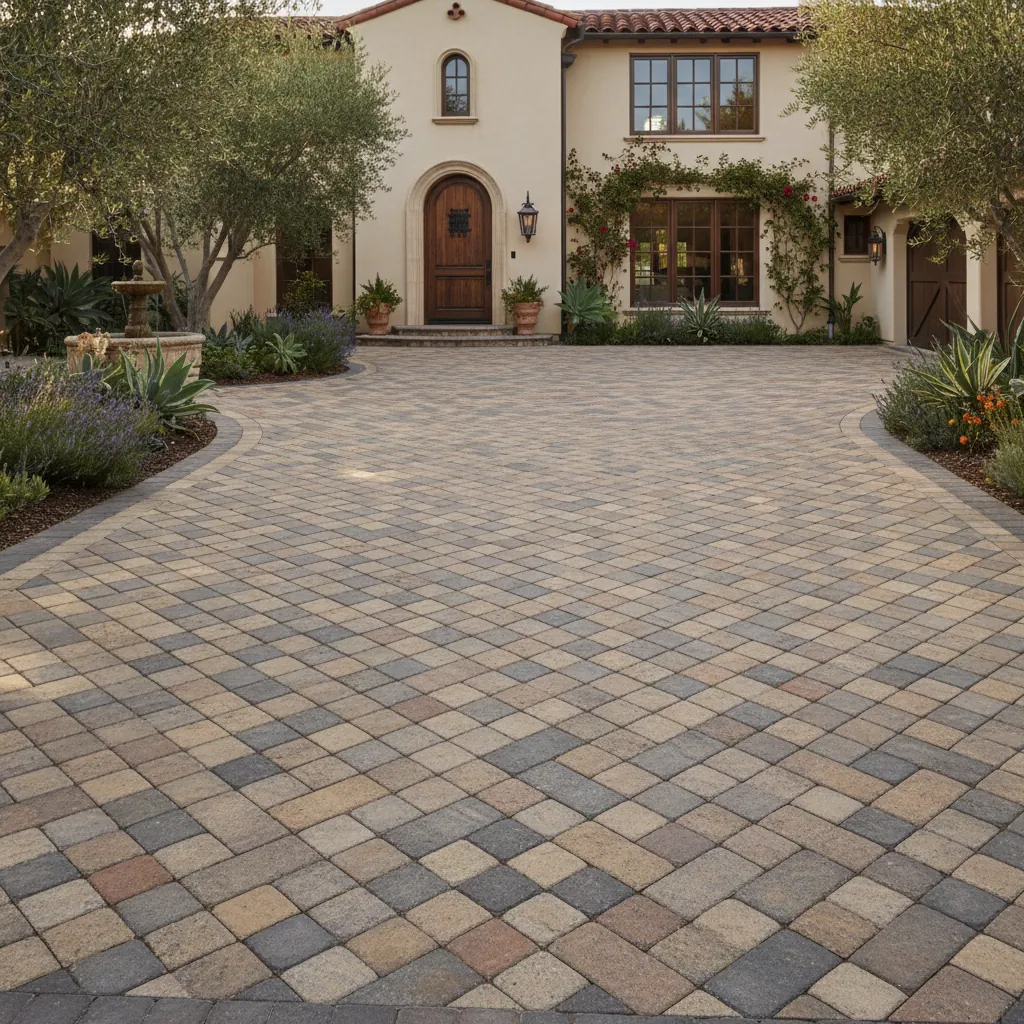
Includes basic excavation, base preparation, and mid-range concrete pavers. Sloped terrain or heavy root systems from local oak trees can increase preparation costs.
Requires specialized sub-base layers and open-graded aggregate to meet local water district runoff guidelines, suitable for heavy vehicular traffic.
Removing thick, cracked concrete driveways common in older La Cañada estates, factoring in transport along winding canyon roads.
Typical market ranges for the Greater Los Angeles area, not a quote or a guarantee. The price of your job depends on its scope, so ask each pro for a written estimate before you decide.
Nestled along the base of the San Gabriel Mountains, homes in La Cañada Flintridge require outdoor surfaces that balance natural beauty with structural resilience. Upgrading your driveway, patio, or pool deck with interlocking pavers provides a flexible, durable solution that moves naturally with our shifting foothill soils.
La Cañada Flintridge's position in the foothills means properties sit on rocky alluvial soil that is highly prone to expansion and settling, particularly along steep canyon properties.
Standard poured concrete often cracks under these shifting conditions and the rapid temperature swings between hot summer days and cool foothill nights. Interlocking pavers are essential here because their joints allow the surface to flex without cracking, while also helping manage stormwater runoff in compliance with local hillside preservation standards.
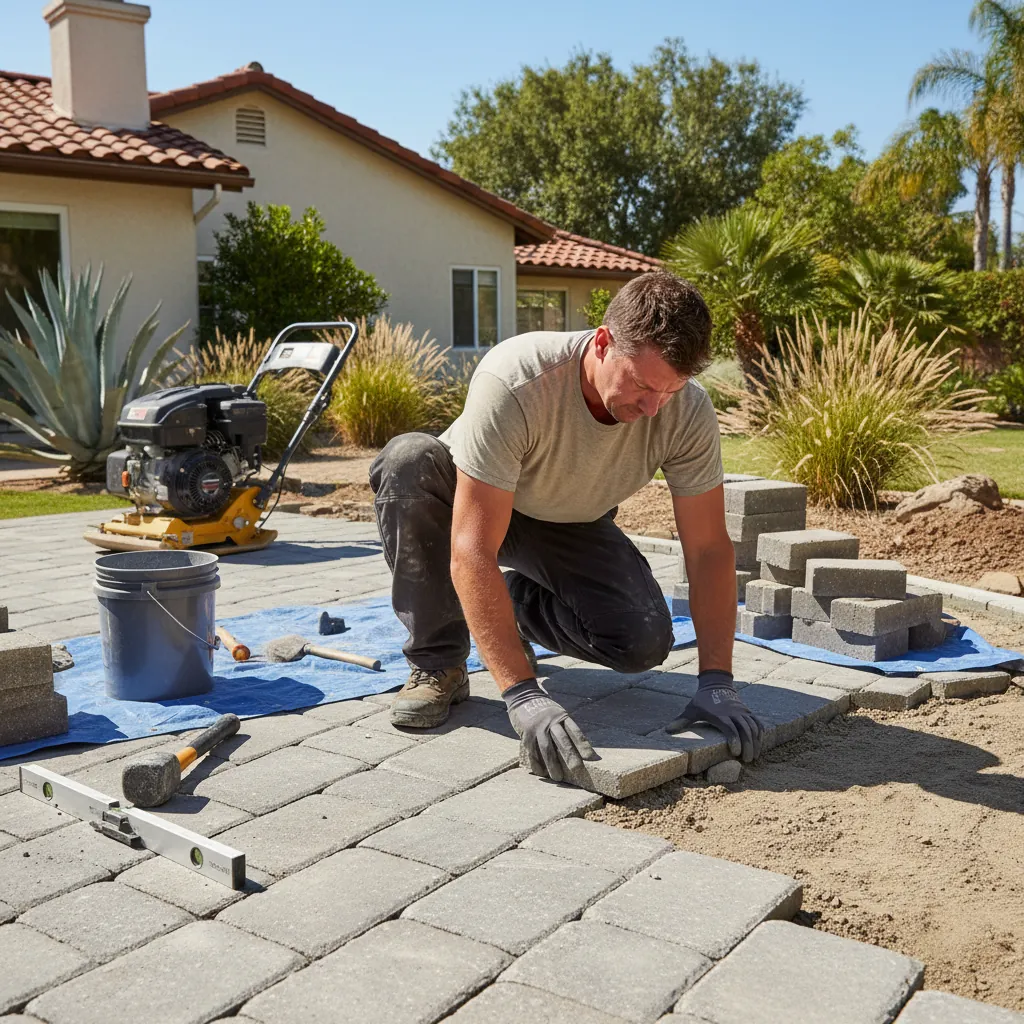
Site assessment evaluating slope, drainage patterns, and proximity to protected native oak trees
Excavation of the footprint, adjusting depth for La Cañada's rocky alluvial soil profile
Installation of a geotextile fabric barrier and a heavily compacted Class 2 road base layer
Precise laying of screeded bedding sand followed by the hand-placement of interlocking pavers
Installation of concrete edge restraints to lock the perimeter firmly in place against shifting hillside terrain
Sweeping of polymeric joint sand and final compaction to seal the joints and ensure water-resistant stability
ContractorPro.Leads doesn't do the work itself. We pass your La Cañada Flintridge project to up to four local paver installers who take this kind of job, and you decide whether to hire any of them.
From the sprawling properties near Descanso Gardens to the hillside estates rising toward the Angeles Crest Highway, hardscaping must complement both the natural oak-studded environment and the architectural heritage of the area. Whether you are planning a grand driveway off Foothill Boulevard or a secluded canyon patio, local paving professionals design installations that respect the native terrain and the fire-safe landscaping needs of our community.
Tell us what you have in mind. We'll pass it to up to four local pros, and they'll contact you to talk it through.
Yes, replacing or installing a driveway typically requires an encroachment or grading permit from the City of La Cañada Flintridge Building & Safety division, especially if it alters the approach from public streets like Foothill Blvd. A local contractor can assist with submitting site plans that detail drainage and property lines.
Local water guidelines encourage reducing runoff. Installing permeable pavers allows rainwater to naturally infiltrate the ground rather than running off into storm drains, helping replenish the local water table and satisfying regional conservation initiatives.
A standard 1,000-square-foot driveway or patio usually takes 5 to 10 working days. However, La Cañada's rocky soils and sloped properties may require extra time for excavation, grading, and building proper retaining edges.
Absolutely. Unlike solid poured concrete, which cracks when expanding in summer heat and contracting during cool foothill nights, interlocking pavers have flexible joints. They move microscopically with temperature shifts and soil expansion without sustaining damage.
Yes, the City has strict tree protection ordinances. Excavation for pavers within the drip line of a protected oak tree must be done with extreme care, often requiring hand-digging or air-spading, and must be approved to avoid damaging the root system.
