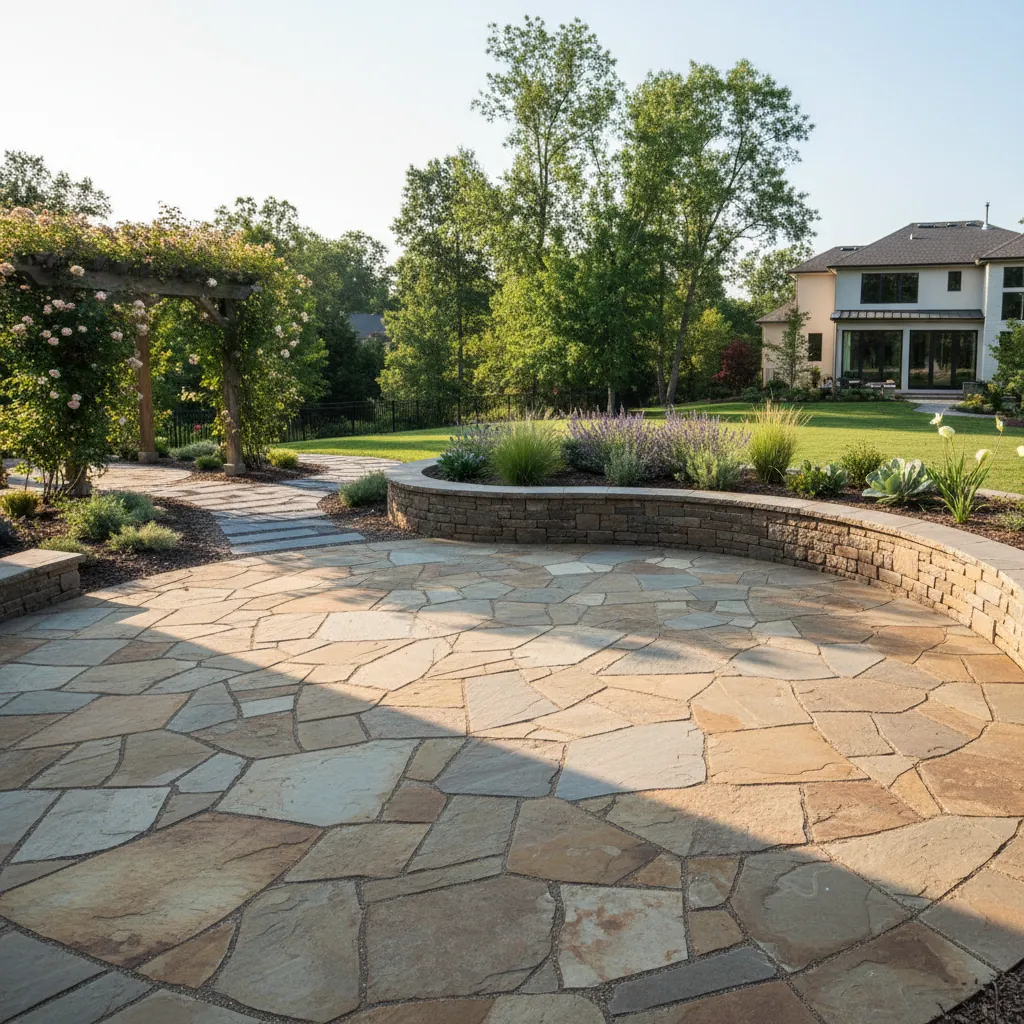
Typical Altadena costs, permit steps and timelines are below. When you are ready, describe your project and up to four local hardscape contractors serving Altadena will contact you. You compare and decide.
Nestled against the rugged San Gabriel Mountains, Altadena properties enjoy stunning vistas but face unique structural demands. Whether you want to terrace a sloped yard near Altadena Drive or install a fire-resistant stone patio off Lake Avenue, these independent professionals help you transition steep terrain into functional outdoor living spaces.
Altadena's positioning on a sloping alluvial fan means properties deal with highly unstable, rocky alluvial soils that shift under heavy winter rains.
Furthermore, because much of the area sits in a high fire hazard severity zone and experiences intense downslope winds, hardscape materials must be strictly non-combustible and engineered to resist severe thermal stress. Designing retaining walls or patios here requires precise drainage planning and robust anchoring to prevent erosion and downslope movement.
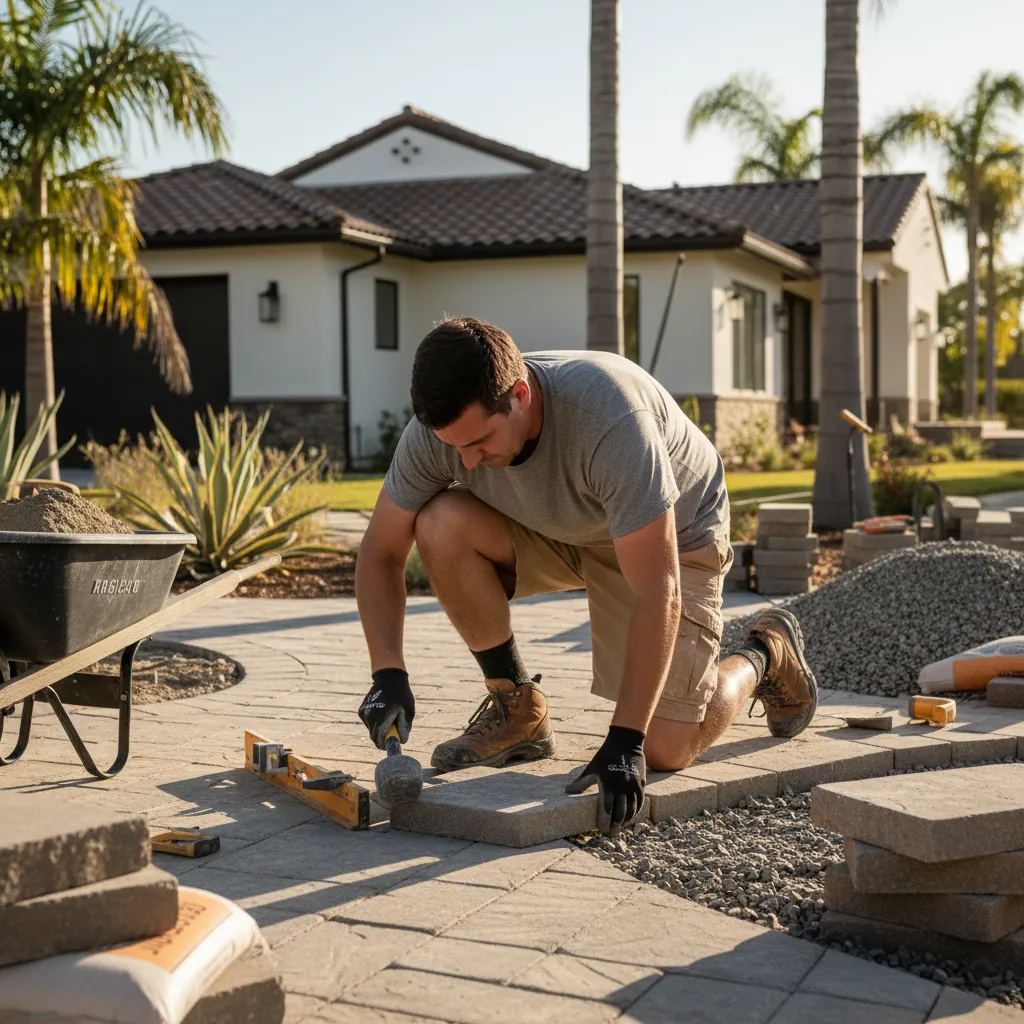
Driving factors include site accessibility on sloped lots and the presence of buried rocks in Altadena's alluvial soil.
Terraced mountain slopes often require engineering and heavy reinforcement to handle lateral soil pressure.
Highly recommended to comply with local water district conservation rules and manage seasonal storm runoff.
Typical market ranges for the Greater Los Angeles area, not a quote or a guarantee. The price of your job depends on its scope, so ask each pro for a written estimate before you decide. Bars share one scale, so you can compare project sizes.
On-site slope evaluation and soil assessment to determine drainage and structural needs.
Excavation and clearing of rocky alluvial soil to establish a stable sub-grade.
Installation of heavy-duty geotextile fabric and a compacted gravel base for drainage.
Meticulous laying of pavers, natural stone, or retaining wall blocks.
Application of joint sand and professional sealing to withstand hot summers and strong winds.
Final site cleanup and thorough drainage testing to ensure runoff bypasses vulnerable slope areas.
ContractorPro.Leads doesn't do the work itself. We pass your Altadena project to up to four local hardscape contractors who take this kind of job, and you decide whether to hire any of them.
Driving up past the historic cedars of Christmas Tree Lane or along the winding residential stretches near Lake Avenue, the architectural variety of Altadena—from mid-century ranches to historic craftsman homes—is striking. Successful hardscaping in this area must respect both this aesthetic heritage and the natural topography. Utilizing natural stone, structural pavers, and terraced gravity walls not only complements the mountain backdrop but also secures properties against the natural gradient of the foothills.
Tell us what you have in mind. We'll pass it to up to four local pros, and they'll contact you to talk it through.
In unincorporated Los Angeles County, retaining walls over four feet high (measured from the bottom of the footing to the top of the wall) or those supporting a surcharge (like a slope or driveway) require a permit from the LA County Public Works, Building and Safety Division.
For standard hardscape projects requiring engineering review by the LA County Building and Safety Division, plan on a timeline of 4 to 8 weeks, depending on current backlog and the complexity of your slope calculations.
Yes, the Foothill Municipal Water District and Metropolitan Water District offer turf removal rebates, but they typically require incorporating permeable hardscape elements and drought-tolerant plantings rather than solid, impermeable concrete.
High winds carry dust and embers, meaning materials must be exceptionally durable and non-combustible. Flagstone, concrete pavers, and heavy gravel are favored over wood decking or lighter composite materials in high fire hazard severity zones.
The rocky, sandy nature of alluvial-fan soils means traditional shallow footings can settle unevenly. Experienced local pros excavate deeper, use specialized compacting equipment, and ensure robust sub-base preparation to prevent pavers from shifting.
