Typical Altadena costs, permit steps and timelines are below. When you are ready, describe your project and up to four local concrete contractors serving Altadena will contact you. You compare and decide.
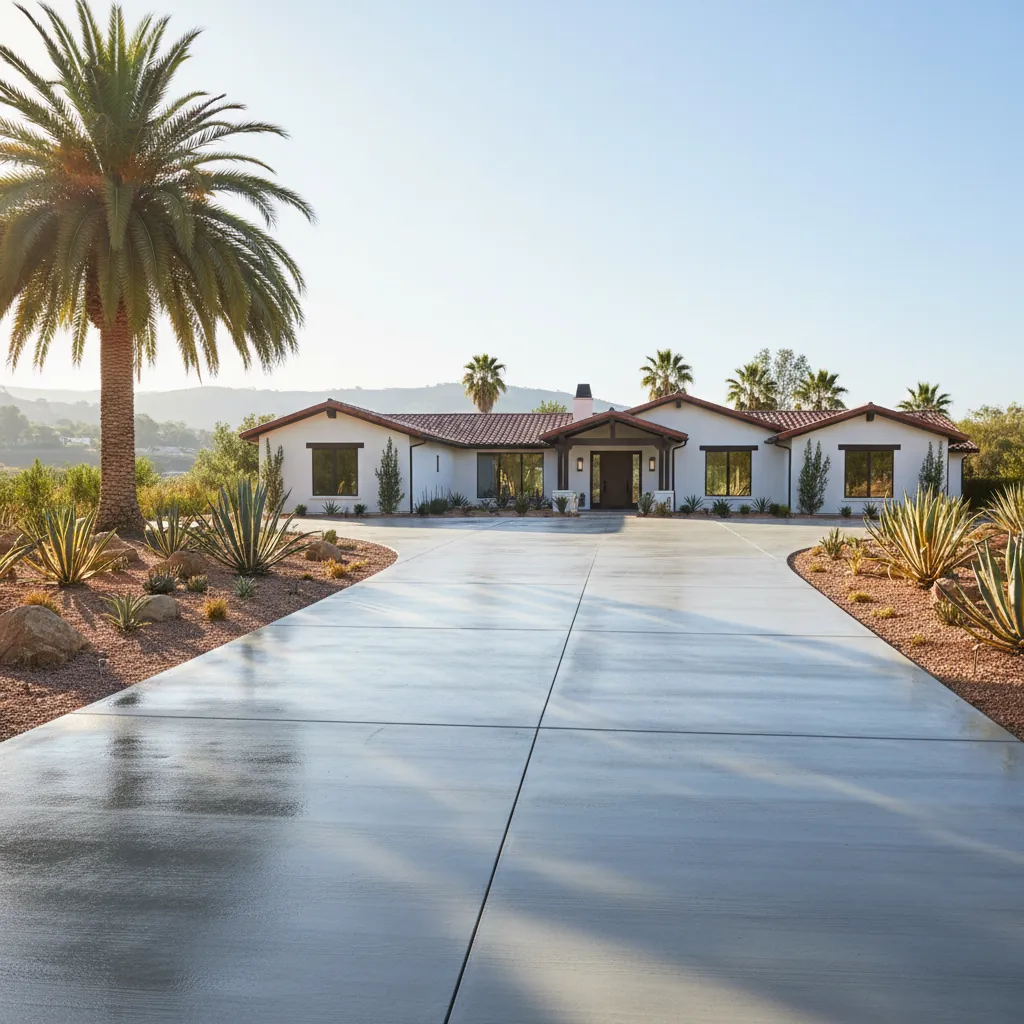
Site assessment, slope analysis, and drainage mapping
Excavation and removal of rocky alluvial soil to the proper design depth
Compaction of the subgrade and installation of a crushed rock base
Placement of steel reinforcement (rebar) tailored to hillside structural loads
Pouring, leveling, and finishing with a slip-resistant texture
Controlled wet curing to ensure maximum long-term concrete strength
Costs vary based on ease of access for mixing trucks on narrow, sloping Altadena streets and the amount of grading required.
Steep slopes and rocky soils near the San Gabriels require robust engineering, steel reinforcement, and occasionally manual excavation.
Replacing older, cracked driveways involves thick sub-bases to handle both heavy vehicle loads and potential soil shifting on the alluvial fan.
Typical market ranges for the Greater Los Angeles area, not a quote or a guarantee. The price of your job depends on its scope, so ask each pro for a written estimate before you decide.
Nestled against the rugged San Gabriel Mountains, Altadena homes require outdoor spaces that match both the natural beauty and the demanding physical geography of the foothills. Whether you are updating a driveway, installing a fire-resistant patio, or securing a sloping yard with a retaining wall, matching your project with the right materials is essential for long-term durability. We connect you with independent local concrete contractors who understand how to design and build lasting installations in our unique environment.
Altadena's position on a sloping alluvial fan means properties face rocky, highly permeable soils that can shift during winter rains, alongside extreme summer heat and strong downslope winds.
Concrete poured here must be engineered with deep, stable sub-bases to prevent cracking from soil movement, and cured carefully to withstand rapid moisture loss during dry spells. Additionally, because much of Altadena lies in a high fire hazard severity zone, concrete hardscaping must be strategically placed to serve as a crucial defensible space barrier.
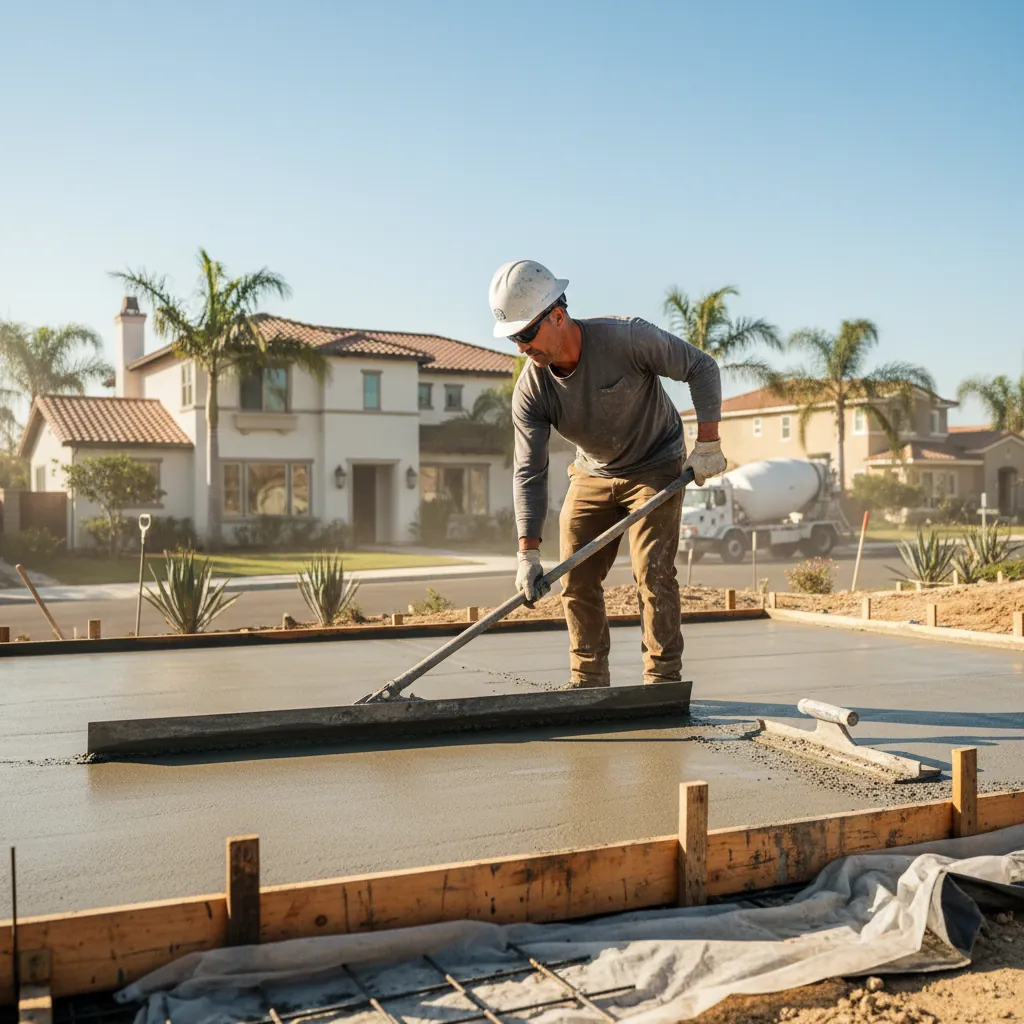
ContractorPro.Leads doesn't do the work itself. We pass your Altadena project to up to four local concrete contractors who take this kind of job, and you decide whether to hire any of them.
From the historic Craftsman homes near Christmas Tree Lane to the mid-century properties flanking Altadena Drive and the commercial corridors along Lake Avenue, our community features a highly diverse architectural heritage. Concrete flatwork must respect these varied styles while safely accommodating the natural slope of the land. Local contractors are highly experienced in navigating these steep foothill grades, ensuring proper drainage and structural integrity for every project.
Tell us what you have in mind. We'll pass it to up to four local pros, and they'll contact you to talk it through.
Yes. Most major concrete work, especially driveways connecting to public rights-of-way or retaining walls over four feet in height, requires a permit from Unincorporated Los Angeles County — LA County Public Works, Building and Safety Division.
Simple flatwork permits can often be issued quickly, but structural retaining walls or projects on steep slopes requiring engineering reviews by the LA County Building and Safety Division can take 4 to 8 weeks for approval.
Our hot, dry summers and dry downslope winds can cause wet concrete to lose moisture too rapidly, leading to shrinkage cracks. Local pros frequently pour early in the morning and utilize curing blankets or misting systems to slow down the drying process.
Yes. Incorporating permeable concrete or designing runoff pathways that direct rainwater to landscaped basins helps comply with Foothill Municipal Water District conservation guidelines by keeping rainwater on-site instead of letting it run off into storm drains.
The rocky, sandy alluvial-fan soils at the base of the mountains drain quickly but can settle unevenly over time. Proper mechanical compaction and a thick, engineered gravel sub-base are essential to prevent the concrete from cracking or sinking.
