Typical Lake View Terrace costs, permit steps and timelines are below. When you are ready, describe your project and up to four local paver installers serving Lake View Terrace will contact you. You compare and decide.
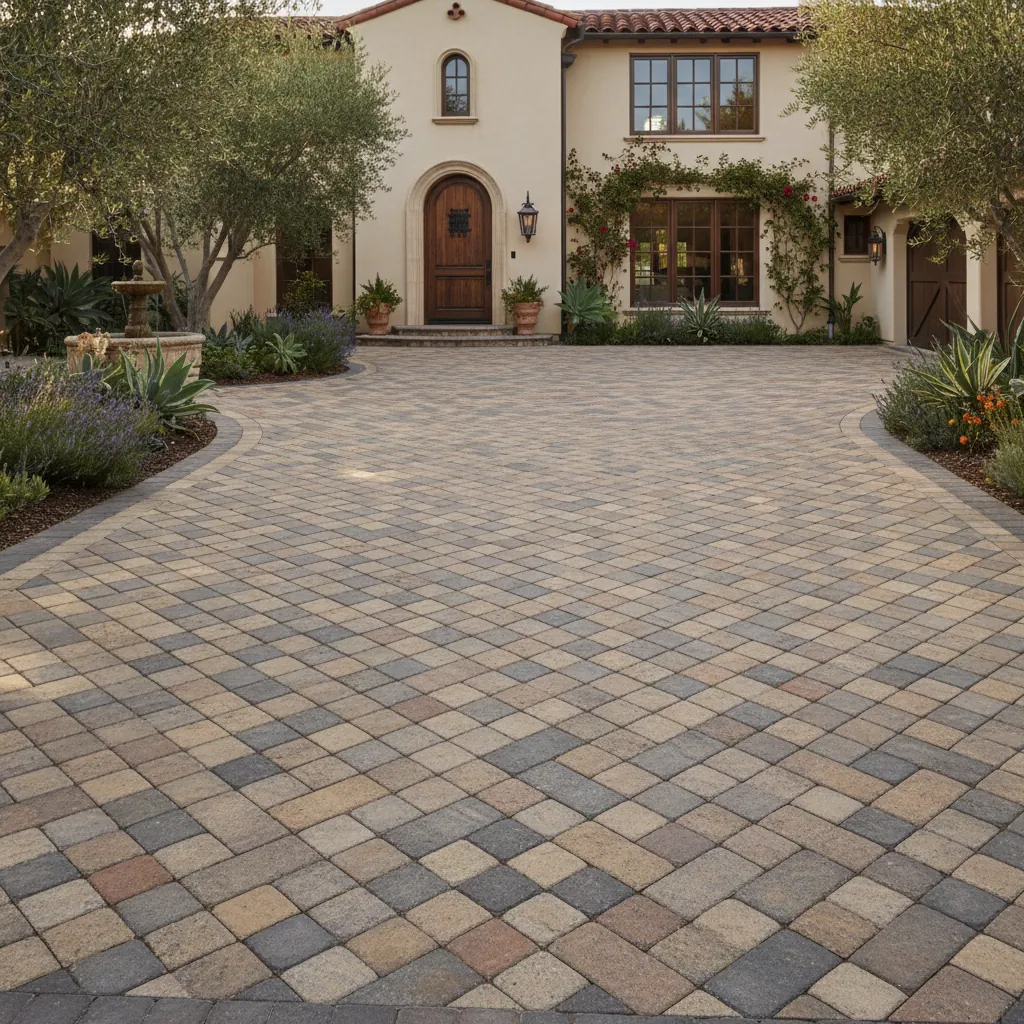
High load-bearing requirements and grading on sloped foothill driveways drive excavation and base preparation costs.
Flat backyard installations are generally more cost-effective, though clearing rocky alluvial soil can add to initial labor hours.
Incorporates specialized open-graded aggregate layers to maximize water infiltration, qualifying for eco-friendly landscaping goals.
Typical market ranges for the Greater Los Angeles area, not a quote or a guarantee. The price of your job depends on its scope, so ask each pro for a written estimate before you decide.
Creating a durable driveway or patio in Lake View Terrace requires materials that withstand both intense San Fernando Valley heat and the shifting soils of the San Gabriel foothills. Whether you are updating a ranch-style property near Foothill Boulevard or leveling a sloped backyard, these local pros deliver exceptional craftsmanship tailored to your terrain.
The rocky alluvial-fan soil of Lake View Terrace presents serious excavation challenges, requiring specialized equipment to establish a stable, level subgrade.
Additionally, homes sitting on sloped lots near the mountains must address proper drainage runoff during seasonal downpours to prevent erosion around the foundation. Because this neighborhood lies within a designated Very High Fire Hazard Severity Zone, utilizing non-combustible interlocking concrete pavers is also a smart, wildfire-resilient choice for maintaining defensible space around your home.
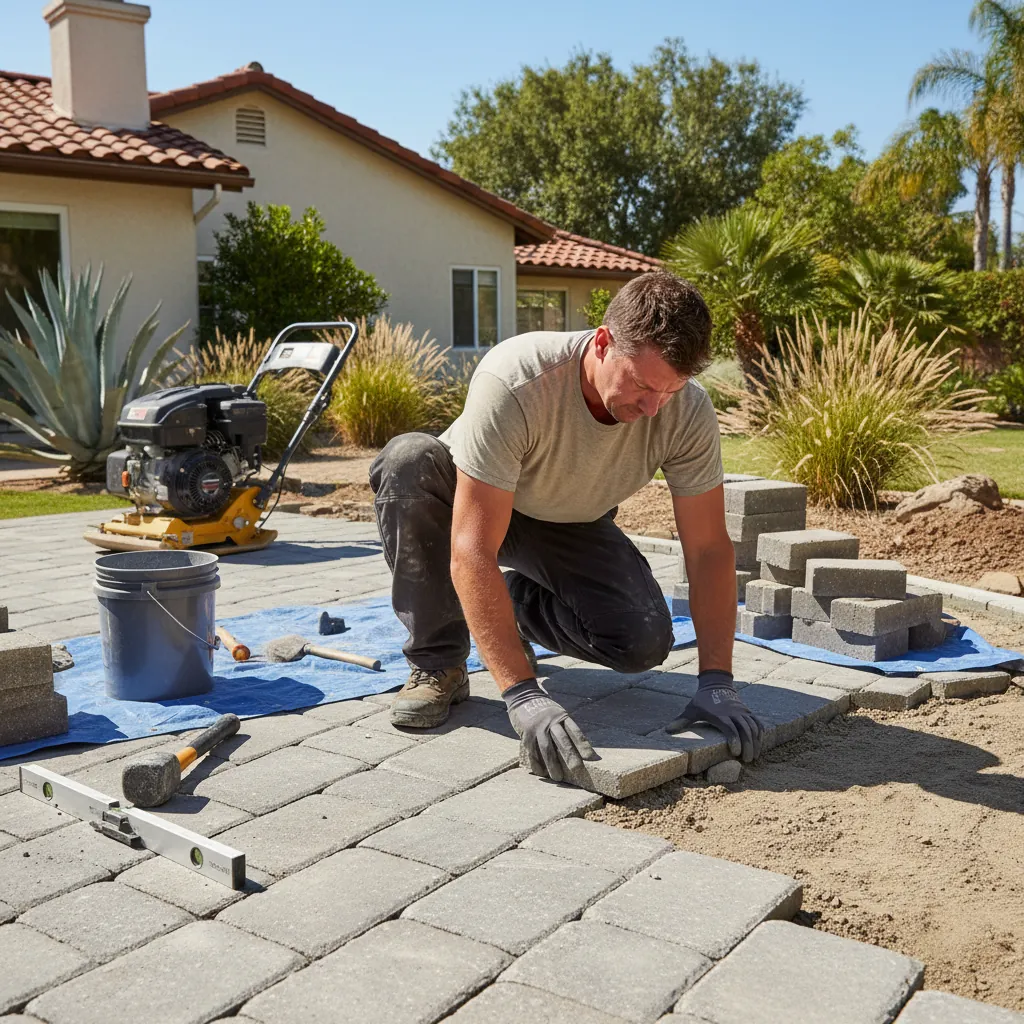
Site assessment and slope evaluation to plan for proper water drainage and runoff management
Excavation of the rocky, alluvial topsoil to a precise depth of 6 to 8 inches
Installation of geotextile soil stabilization fabric to prevent base material from mixing with the subgrade
Screeding of a uniform bedding sand layer to create a perfectly flat surface for the pavers
Precision hand-laying of the chosen concrete or stone pavers in your preferred pattern
Vibratory compaction, application of joint sand, and final sealing to lock the pavers in place
ContractorPro.Leads doesn't do the work itself. We pass your Lake View Terrace project to up to four local paver installers who take this kind of job, and you decide whether to hire any of them.
From the equestrian-friendly properties near Osborne Street to the homes overlooking the Hansen Dam Recreation Area, Lake View Terrace properties boast spacious but challenging terrains. Running along the Foothill Boulevard corridor, the local microclimate demands outdoor surfaces that won't crack under the baking summer sun. Local hardscaping pros understand these specific conditions, designing custom paver systems that complement the rustic, natural beauty of our foothill community.
Tell us what you have in mind. We'll pass it to up to four local pros, and they'll contact you to talk it through.
In the City of Los Angeles, standard flatwork like a paver patio or driveway under 30 inches above adjacent grade typically does not require a permit from the Los Angeles Department of Building and Safety (LADBS). However, if your project involves structural retaining walls on a sloped lot or alters public right-of-way approaches, LADBS permits and engineering plans will be required.
The alluvial soil near the San Gabriel Mountains is packed with river rocks and cobbles. This requires heavier excavation machinery rather than manual digging to achieve the necessary base depth. Proper sub-base compaction is critical here to ensure the pavers do not settle unevenly over time.
While LADWP does not offer direct rebates for standard concrete pavers, they do provide incentives for turf replacement. If you replace high-water-use lawns with permeable paver systems combined with drought-tolerant California native landscaping, you may qualify for the LADWP Turf Replacement Program rebates.
Lake View Terrace experiences extreme temperature swings, from chilly winter nights to triple-digit summer heat. Poured concrete expands and contracts, leading to inevitable cracking. Interlocking pavers flex individually to accommodate ground movement, and their non-combustible nature makes them ideal for Very High Fire Hazard Severity Zones.
Most residential projects, such as a 500-square-foot patio, take between 3 to 5 days. Harder soils and sloped terrains requiring grading near the foothills can add 1 to 2 days to the excavation phase.
