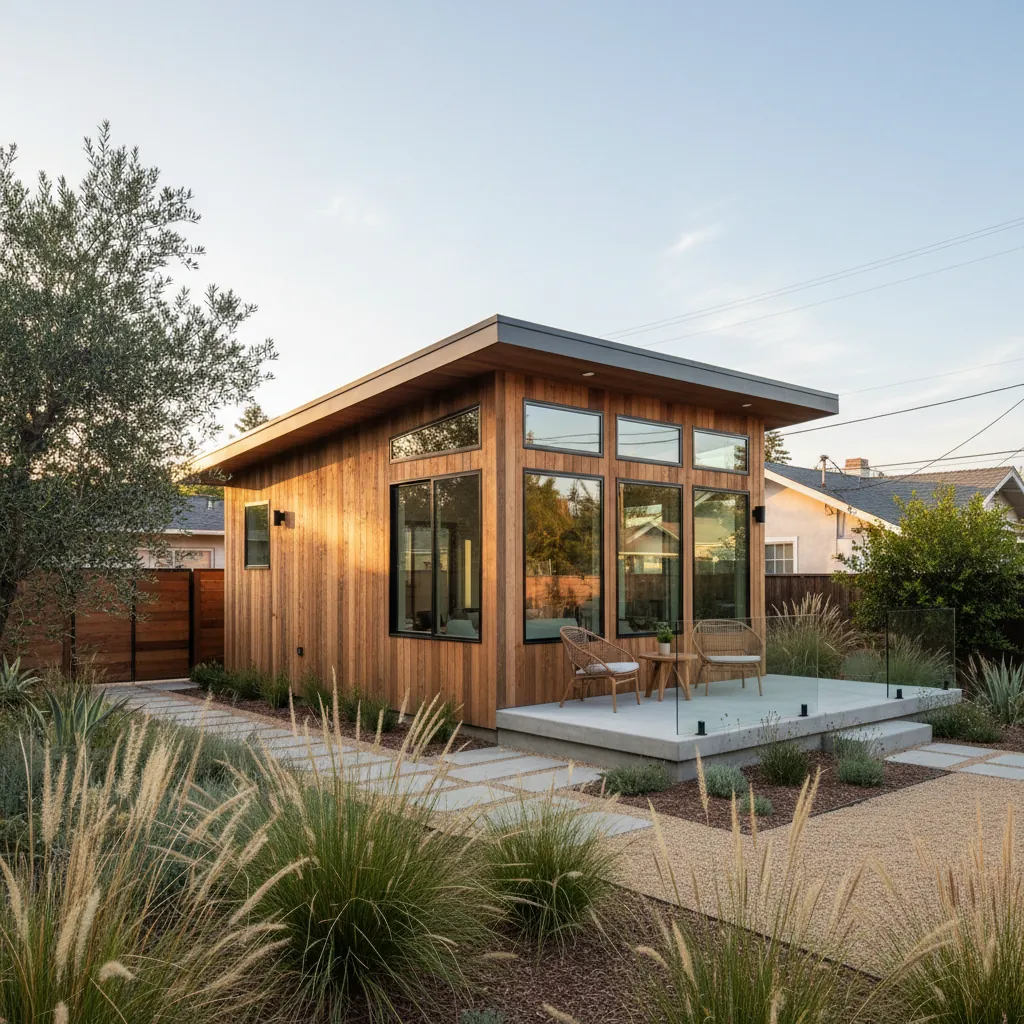
Typical Lake View Terrace costs, permit steps and timelines are below. When you are ready, describe your project and up to four local ADU builders serving Lake View Terrace will contact you. You compare and decide.
Feasibility study and site assessment to map property lines, slopes, and soil conditions
Architectural design and engineering tailored to Los Angeles VHFHSZ building codes
Submitting plans to the Los Angeles Department of Building and Safety (LADBS) for plan check and permitting
Site preparation, including grading, excavation of rocky soil, and foundation pouring
Structural framing, utility hookups (power, water, sewer), and high-efficiency HVAC installation
Interior finishes, fire-safe exterior siding, and final LADBS inspections for occupancy
Converting an existing garage is often the most cost-effective path, though older detached garages in Lake View Terrace may require structural retrofitting and foundation leveling.
Ground-up construction costs reflect local labor, foundation engineering for sloped or rocky foothill soils, and compliance with fire-safe exterior materials.
Sharing a wall with the primary home can simplify utility hookups, but requires careful structural integration and LADBS seismic compliance.
Typical market ranges for the Greater Los Angeles area, not a quote or a guarantee. The price of your job depends on its scope, so ask each pro for a written estimate before you decide. Bars share one scale, so you can compare project sizes.
Tucked along the base of the San Gabriel Mountains, Lake View Terrace properties often feature generous lot sizes that are ideal for adding an accessory dwelling unit. Whether you want to house family members or generate rental income, building here requires navigating specific hillside and wildfire safety rules.
Building an ADU in Lake View Terrace involves navigating more than just standard zoning.
The rocky alluvial-fan soils near the foothills require careful foundation engineering, and sloped lots may demand specialized grading or retaining walls. Additionally, because much of the 91342 ZIP code lies within a designated Very High Fire Hazard Severity Zone (VHFHSZ), any new structure must adhere to strict Chapter 7A fire-resistant building materials and construction methods enforced by the Los Angeles Department of Building and Safety (LADBS).
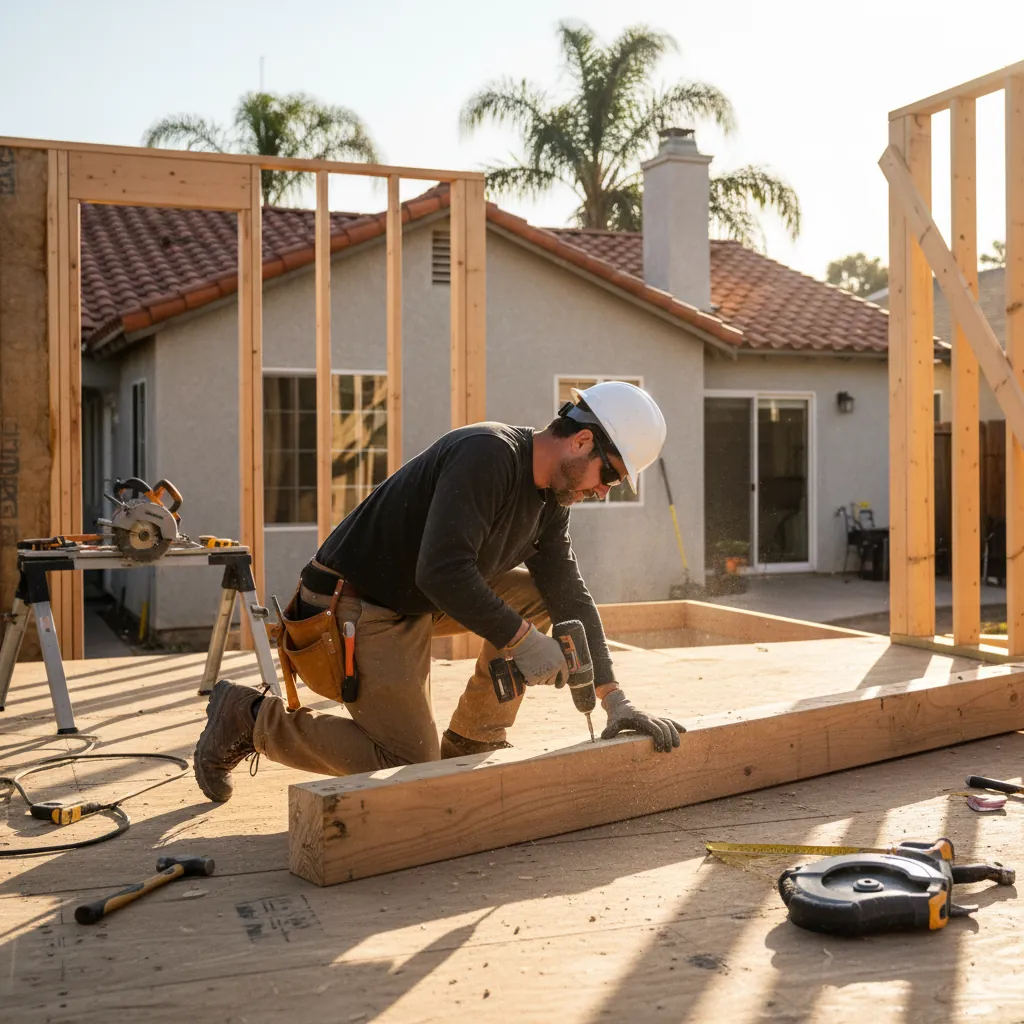
ContractorPro.Leads doesn't do the work itself. We pass your Lake View Terrace project to up to four local ADU builders who take this kind of job, and you decide whether to hire any of them.
From equestrian-friendly properties near the Hansen Dam Recreation Area to homes situated along the Foothill Blvd and Osborne St corridors, Lake View Terrace offers a distinct, semi-rural feel compared to the rest of the San Fernando Valley. Local properties often feature large backyards, but building an ADU here means planning for LADWP summer watering limits and ensuring new utility connections align with municipal guidelines. Experienced local contractors can help you evaluate your lot's topography to design an ADU that preserves your mountain views and fits the local aesthetic.
Tell us what you have in mind. We'll pass it to up to four local pros, and they'll contact you to talk it through.
On average, the permitting process with the Los Angeles Department of Building and Safety (LADBS) takes between 3 to 6 months. Using pre-approved standard plans can reduce this timeline, while complex foothill lots requiring grading approvals may take longer.
No, LADWP does not strictly require a separate water meter for ADUs; the unit can typically run off the primary residence's meter. However, you must design plumbing to comply with local water efficiency rules and consider summer watering limits for any shared landscaping.
Since much of Lake View Terrace is in a Very High Fire Hazard Severity Zone, LADBS mandates fire-resistant materials. This includes non-combustible siding, multi-paned tempered glass windows, spark arrestors on vents, and in many cases, residential fire sprinklers.
No. Under California law, only the newly constructed ADU is assessed for property taxes based on its construction value. Your existing home's assessed value will remain unaffected, preserving your base tax rate.
Homeowners may qualify for state-level ADU grants, such as those occasionally offered by CalHFA. Additionally, incorporating energy-efficient appliances, heat-pump water heaters, and solar panels can qualify you for federal tax credits and LADWP efficiency rebates.
