Typical Sylmar costs, permit steps and timelines are below. When you are ready, describe your project and up to four local ADU builders serving Sylmar will contact you. You compare and decide.
Initial site assessment to evaluate property slope, rocky soil conditions, and existing utility line proximity.
Architectural design and engineering tailored to the Los Angeles Hillside Ordinance or WUI guidelines.
Submitting and managing plan check packages through the Los Angeles Department of Building and Safety (LADBS).
Site preparation, including specialized grading for foothill runoff and engineered concrete foundation pouring.
Framing and utility installation utilizing fire-resistant exterior materials and energy-efficient systems.
Final inspection coordination with LADBS inspectors to secure your official Certificate of Occupancy.
Higher costs reflect specialized grading on foothill slopes, engineered foundations, and premium fire-resistant materials required in local hazard zones.
A cost-effective choice utilizing existing structures, though upgrading older plumbing and electrical systems to current LADBS standards can influence the final cost.
Essential for foothill lots to determine load-bearing requirements on rocky, alluvial soil and to ensure seismic structural stability.
Typical market ranges for the Greater Los Angeles area, not a quote or a guarantee. The price of your job depends on its scope, so ask each pro for a written estimate before you decide. Bars share one scale, so you can compare project sizes.
For homeowners in Sylmar, building an Accessory Dwelling Unit (ADU) offers an enduring way to accommodate multi-generational family living or secure stable rental income on your property. Whether your lot sits on the flat north Valley floor or climbs into the foothill transitions near Olive View, successful construction here requires navigating specific local geography and municipal standards. We connect you with local contractors who specialize in maximizing Sylmar properties while respecting the area's unique environmental conditions.
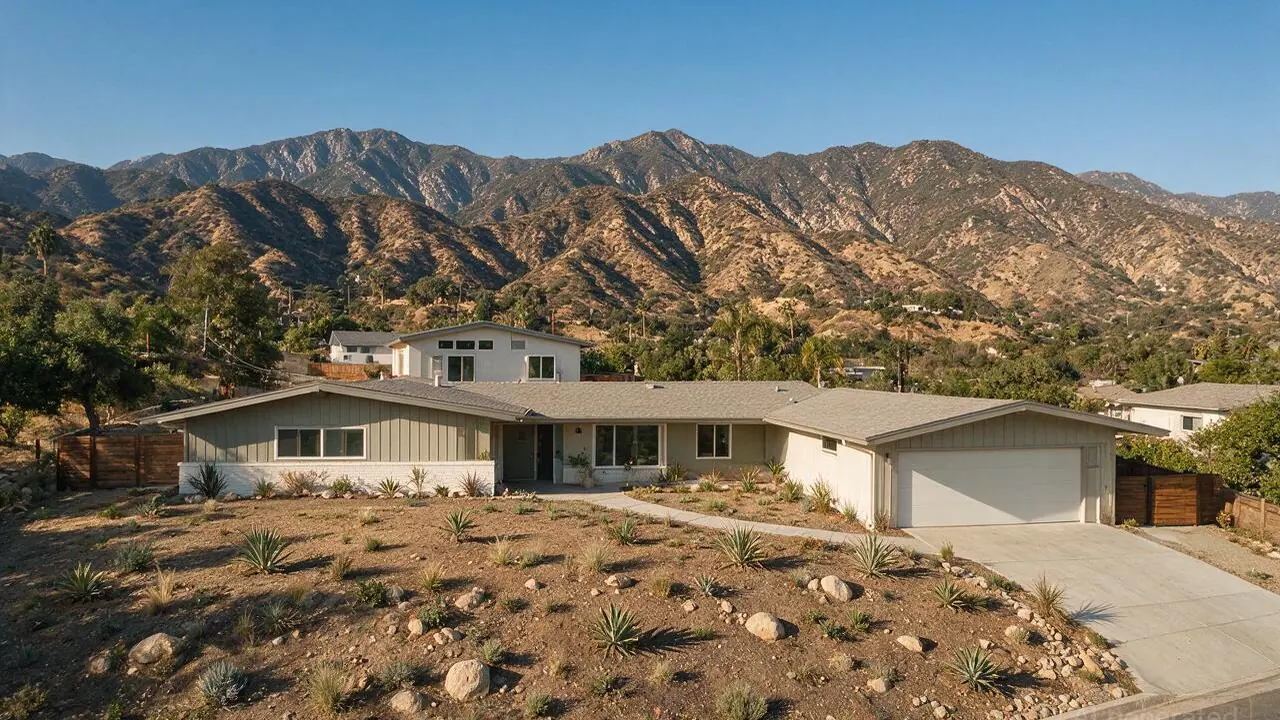
Building an ADU in Sylmar's northern reaches means addressing the rocky, alluvial soil of the San Gabriel foothills, which demands precise foundation engineering to manage slope stability and seismic factors.
Additionally, because much of the foothill zone is classified as a Very High Fire Hazard Severity Zone (WUI), your structure must be built to meet stringent wildfire safety standards. Navigating these geological and microclimate factors is essential for passing Los Angeles Dept. of Building and Safety (LADBS) inspections and ensuring long-term structural safety.
ContractorPro.Leads doesn't do the work itself. We pass your Sylmar project to up to four local ADU builders who take this kind of job, and you decide whether to hire any of them.
Sylmar’s generous lot sizes, particularly those stretching toward the foothills near the Veterans Memorial Community Regional Park or winding past Olive View-UCLA Medical Center, are uniquely suited for detached ADUs. However, the dramatic elevation rise from the valley floor up into the San Gabriel foothills means that wind exposure, brush clearance rules, and soil profiles change block by block. Local building professionals know how to align your ADU design with these specific foothill conditions while maintaining the neighborhood's relaxed, semi-rural character.
Tell us what you have in mind. We'll pass it to up to four local pros, and they'll contact you to talk it through.
A standard custom ADU plan check with the Los Angeles Department of Building and Safety (LADBS) typically takes between 3 to 6 months. While utilizing pre-approved plans can expedite the structural review, site-specific civil engineering for grading and foothill soil conditions will still require individual municipal approval.
Yes. Properties rising into the San Gabriel foothills often sit on rocky, alluvial soil and moderate slopes, which typically require engineered footings or deepened caissons rather than a standard shallow slab. Local contractors coordinate with structural engineers to ensure compliance with seismic and hillside safety codes.
Because portions of Sylmar are designated within the Very High Fire Hazard Severity Zone, ADUs must comply with Chapter 7A of the California Building Code. This mandates fire-rated roofing, ignition-resistant siding, specialized eave vents designed to resist ember intrusion, and a committed 100-foot brush clearance zone.
Yes. Sylmar homeowners can lower long-term operating costs by taking advantage of LADWP programs. This includes turf replacement rebates for installing drought-tolerant, fire-wise landscaping around the new unit, alongside rebates for qualifying high-efficiency heat pumps and energy-saving appliances.
ContractorPro.Leads doesn't check licenses or insurance, so take a few minutes before you sign. Look up the company's license at cslb.ca.gov and confirm it is active and covers this type of work. Ask for current certificates of general liability insurance and, if the company has employees, workers' compensation. Then get a written contract that says who pulls the Los Angeles Dept. of Building and Safety (LADBS) permits.
