Typical Sylmar costs, permit steps and timelines are below. When you are ready, describe your project and up to four local landscapers serving Sylmar will contact you. You compare and decide.
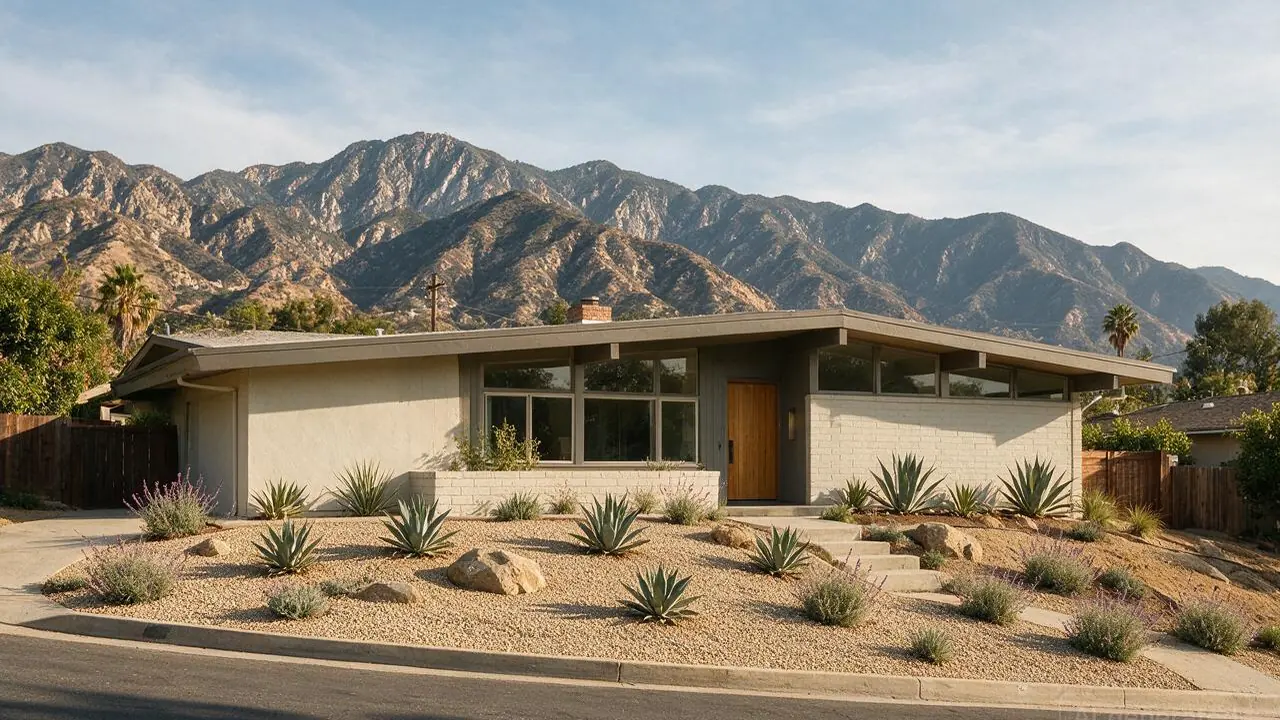
Nestled where the San Fernando Valley floor rises sharply into the rugged San Gabriel foothills, Sylmar properties require a specialized approach to outdoor design. Local landscaping contractors understand the challenges of balancing beautiful, functional outdoor living spaces with the realities of our hot, arid summers and steep terrain. We connect you with local professionals who specialize in building resilient, sustainable yards that thrive in this distinct microclimate.
Sylmar's unique geography poses distinct challenges, from rocky, alluvial foothill soils that require careful grading to strict Wildland-Urban Interface (WUI) fire safety regulations.
Properties climbing into the foothills must adhere to Los Angeles Fire Department brush clearance zones, meaning plants must be both highly drought-resistant and low-fuel. Additionally, structural retaining walls or major terracing on our sloped lots often require specialized seismic engineering and permits from the Los Angeles Department of Building and Safety (LADBS).
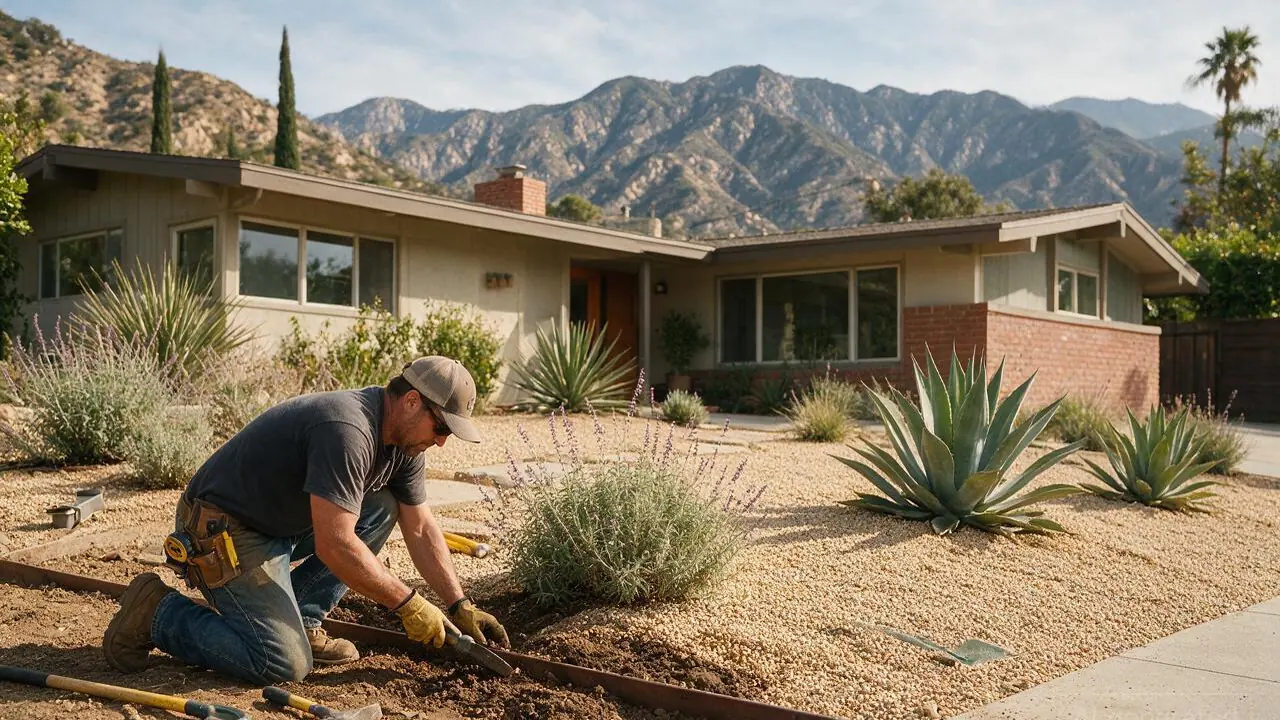
Depends heavily on yard size, soil rockiness, and whether you are utilizing LADWP rebate-compliant native plants and drip irrigation.
Slope severity, seismic engineering requirements, and LADBS permit fees significantly influence the cost of structural hardscaping in foothill areas.
Updating outdated sprinklers to multi-zone drip systems prevents runoff on Sylmar's sloped lots and optimizes water usage.
Typical market ranges for the Greater Los Angeles area, not a quote or a guarantee. The price of your job depends on its scope, so ask each pro for a written estimate before you decide. Bars share one scale, so you can compare project sizes.
Initial site assessment evaluating slope, soil composition, and solar exposure
Drafting a fire-safe landscape layout aligned with WUI zone regulations
Filing grading or retaining wall permits with LADBS if structural modifications are required
Soil preparation, including organic amendments and grading for proper drainage
Installation of high-efficiency drip irrigation and smart, weather-based controllers
Planting of native, drought-resistant flora followed by fire-retardant mulch application
ContractorPro.Leads doesn't do the work itself. We pass your Sylmar project to up to four local landscapers who take this kind of job, and you decide whether to hire any of them.
Whether your home is located on the flatter valley floor near the busy corridors of Olive View or sits tucked away in the upper elevations near the Veterans Memorial Community Regional Park, Sylmar's microclimate demands a thoughtful botanical palette. Local landscape designers utilize native oaks, deep-rooting groundcovers, and smart irrigation systems to prevent erosion on steep slopes while maximizing your outdoor enjoyment under the intense summer sun of the northern Valley.
Tell us what you have in mind. We'll pass it to up to four local pros, and they'll contact you to talk it through.
Standard planting, low-voltage lighting, and basic paving usually do not require permits. However, if your landscape design includes retaining walls over four feet tall, major grading on foothill slopes, or plumbing for outdoor kitchens, plans must be submitted to the Los Angeles Department of Building and Safety (LADBS) for approval.
Simple plan checks can sometimes be approved over-the-counter, but complex structural retaining walls on foothill slopes typically require engineered plans and can take 4 to 8 weeks to clear LADBS review.
Fire-resistant, drought-tolerant natives like Agave, California Fuchsia, Lemonade Berry, and various succulents are highly recommended. Highly flammable plants like Eucalyptus, Pine, and Juniper should be avoided, especially on properties adjacent to the San Gabriel foothills.
Yes. Sylmar residents are served by the Los Angeles Department of Water and Power (LADWP), which offers generous rebates per square foot for replacing turf with drought-tolerant landscaping, smart irrigation, and permeable hardscape.
Late fall and early winter are ideal for planting native and drought-tolerant species, as this allows roots to establish during our cooler, wetter months before the intense heat of the Valley summer arrives. Hardscaping can be completed year-round, pending seasonal rain.
