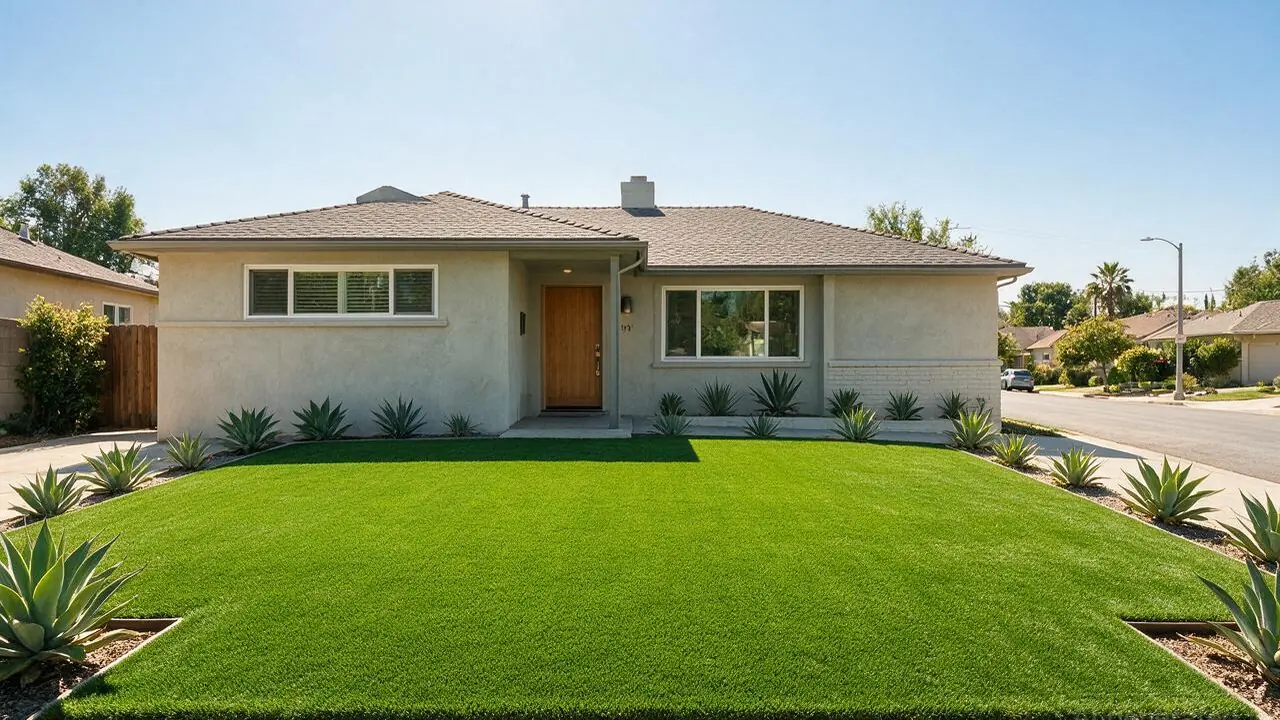
Home projects in Burbank are shaped by local conditions: flat valley floor with foothill lots to the north, clay soils on the flats, and hot, dry Valley summers. Most structural, electrical, plumbing, and mechanical work is permitted through City of Burbank Community Development (Building Division). Serving homes near Magnolia Blvd, Downtown Burbank and media studios, we connect Burbank homeowners with local pros who work in the area.
Burbank features a diverse mix of housing styles, reflecting its growth alongside the local media studios. Much of the flat valley floor contains postwar ranch houses and 1920s Craftsman bungalows, while foothill lots to the north offer mid-century modern designs on sloped terrain. The age of these properties means homeowners often face specific maintenance challenges. In older Craftsman homes, original electrical wiring and galvanized steel plumbing often require updating to meet modern safety standards. Houses on the flat valley floor sit on clay soils, which expand and contract with seasonal moisture changes, sometimes causing foundation movement. For postwar ranch homes, aging roofing materials and settling foundations are common issues. Additionally, properties near the hillsides must address drainage and retaining wall stability. Upgrading these vintage systems through general construction helps preserve the structural integrity of these classic Burbank homes while adapting them for modern living.
To handle hot, dry Valley summers, local homeowners frequently invest in hvac upgrades and insulation to keep indoor spaces comfortable while managing energy costs. Outside, the clay soils on the flats require careful planning for hardscape, concrete, and pavers to prevent cracking from ground movement. Because of Burbank Water and Power rebates and watering restrictions, many residents opt for a complete backyard remodel that incorporates artificial turf and landscaping. Adding patio covers provides essential shade for outdoor living areas. Indoors, updating older properties often involves kitchen remodeling, bathroom remodeling, and constructing adus or a room addition to maximize space. Maintaining home safety is also a priority, leading to regular air duct cleaning, chimney cleaning, and dryer vent cleaning. When summer heat wears down exterior surfaces, homeowners schedule exterior painting, interior painting, and roofing to protect their investment from the intense Southern California sun.
Because Burbank is an independent city and not part of the City of Los Angeles, homeowners do not use LA agencies. Instead, building permits must be obtained directly through the City of Burbank Community Development (Building Division). Most major home improvements, including structural changes, a room addition, or significant upgrades to electrical and plumbing systems, require formal permits to ensure safety and code compliance. While property owners can sometimes apply for these documents, a licensed contractor normally pulls the permits, navigating the local regulations and inspection schedules. This ensures that all work complies with specific local codes designed for the valley floor and foothill terrains.
Burbank shares its flat valley floor terrain and postwar housing types with nearby North Hollywood and Toluca Lake to the west. To the east, Glendale shares a similar mix of historic bungalows and active commercial districts. Many residents commute between these areas using major corridors like Magnolia Blvd, which links Burbank directly to its neighbors, providing a consistent architectural and environmental landscape across this portion of the region.
Type your ZIP code to jump to your neighborhood in the San Fernando Valley and nearby. Pick a service first to go straight to that page. If we do not cover that ZIP yet, you go to the request form with it filled in.
