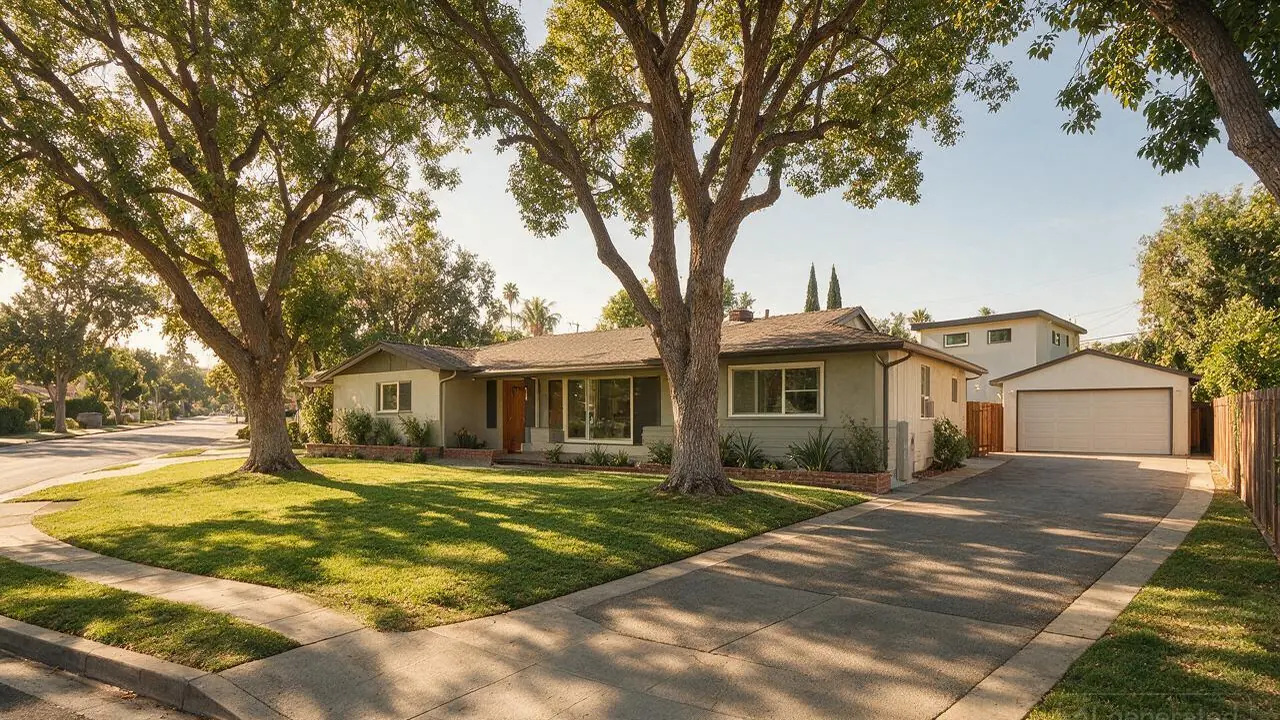
Home projects in Valley Village are shaped by local conditions: flat southeast Valley, established tree-lined residential streets, expansive clay soil, and warm, dry Valley climate. Most structural, electrical, plumbing, and mechanical work is permitted through Los Angeles Dept. of Building and Safety (LADBS). Serving homes near Magnolia Blvd and Colfax Meadows, we connect Valley Village homeowners with local pros who work in the area.
Much of the housing stock in Valley Village dates back to the mid-twentieth century, with many postwar ranch houses and traditional single-family residences lining its flat, tree-lined residential streets. While there are some older character homes, a large portion of the neighborhood features spacious properties on flat lots, especially near Colfax Meadows. The age of these properties often means homeowners must address aging infrastructure. Properties built during these eras frequently require updates to original galvanized steel plumbing and outdated electrical wiring to handle modern appliances. Additionally, the local soil consists of expansive clay soil, which can shift with moisture changes and cause settling issues in concrete slab foundations. Homeowners should regularly inspect their foundations, framing, and roofing structures. Periodic updates to insulation and exterior painting are also common necessities to maintain these classic structures and protect them from the elements.
Due to the warm, dry Valley climate, cooling and energy efficiency are top priorities for Valley Village homeowners. Many choose to upgrade their HVAC systems or install new insulation to lower utility bills. Outdoor projects are also highly popular on the flat lots here. Homeowners frequently request a complete backyard remodel, incorporating water-wise landscaping, drought-tolerant plants, artificial turf, and pavers to reduce water usage while qualifying for LADWP rebates. Because of the local expansive clay soil, installing stable hardscape features like concrete patios requires specialized preparation. To extend outdoor living space, homeowners often add patio covers or undertake a full room addition and construct ADUs to accommodate multi-generational living. Indoors, updating older spaces through kitchen remodeling and bathroom remodeling is a common investment. Regular maintenance tasks such as air duct cleaning, dryer vent cleaning, and roofing inspections help preserve these homes year-round.
Because Valley Village is a neighborhood within the City of Los Angeles, all building permits are issued by the Los Angeles Department of Building and Safety (LADBS). Homeowners must obtain permits for major structural work, including a room addition, ADUs, and significant structural alterations. Plumbing, electrical, and HVAC replacements also require permits to ensure compliance with local building codes. While property owners can technically pull permits for minor owner-builder projects, a licensed contractor normally handles this process. Working with a licensed professional ensures that the plans are correctly submitted to LADBS, inspections are scheduled properly, and the work meets safety standards.
Valley Village shares its flat topography and postwar ranch housing styles with neighboring North Hollywood and Valley Glen. To the south, across the Magnolia Blvd corridor, the neighborhood transitions into Studio City, which features more hillside properties. These flat southeast Valley neighborhoods share easy access to major transportation routes, offering a more residential alternative to busier nearby areas like Sherman Oaks.
Type your ZIP code to jump to your neighborhood in the San Fernando Valley and nearby. Pick a service first to go straight to that page. If we do not cover that ZIP yet, you go to the request form with it filled in.
