Typical North Hills costs, permit steps and timelines are below. When you are ready, describe your project and up to four local turf installers serving North Hills will contact you. You compare and decide.
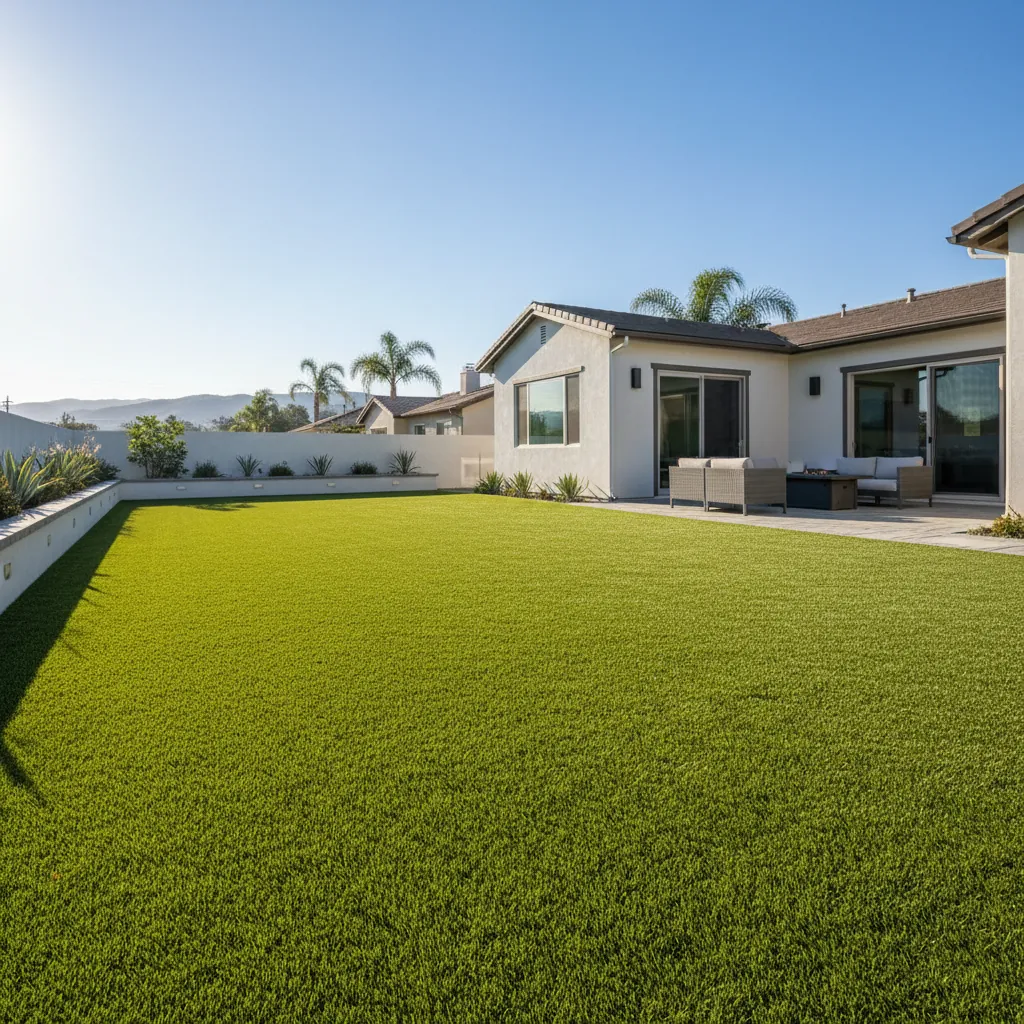
Includes standard turf options, basic site prep, and standard base compaction for flat North Hills yards.
Reflects upgraded turf with cooling technology, extra excavation to mitigate heavy clay soil, or intricate yard shapes.
Highly recommended for pet owners in hot climates to control odors and reduce surface heat on warm summer days.
Typical market ranges for the Greater Los Angeles area, not a quote or a guarantee. The price of your job depends on its scope, so ask each pro for a written estimate before you decide.
Maintaining a lush green lawn in the North Hills portion of the San Fernando Valley can feel like an uphill battle against the elements. Between strict LADWP summer watering limits and the intense Valley heat, natural sod often gives way to dry patches and soaring utility bills. We connect you with independent local contractors who specialize in installing premium synthetic turf that looks natural and stays resilient year-round.
The flat terrain of the northern Valley floor around Sepulveda Boulevard hides a complex underground challenge: alluvial soils mixed with pockets of heavy, expansive clay.
This clay expands when wet and shrinks during hot, dry summers, which can cause poorly installed turf to buckle, wrinkle, or pool water. Properly preparing the sub-base with crushed aggregate and ensuring adequate drainage is critical here to handle both summer heat expansion and seasonal heavy downpours.
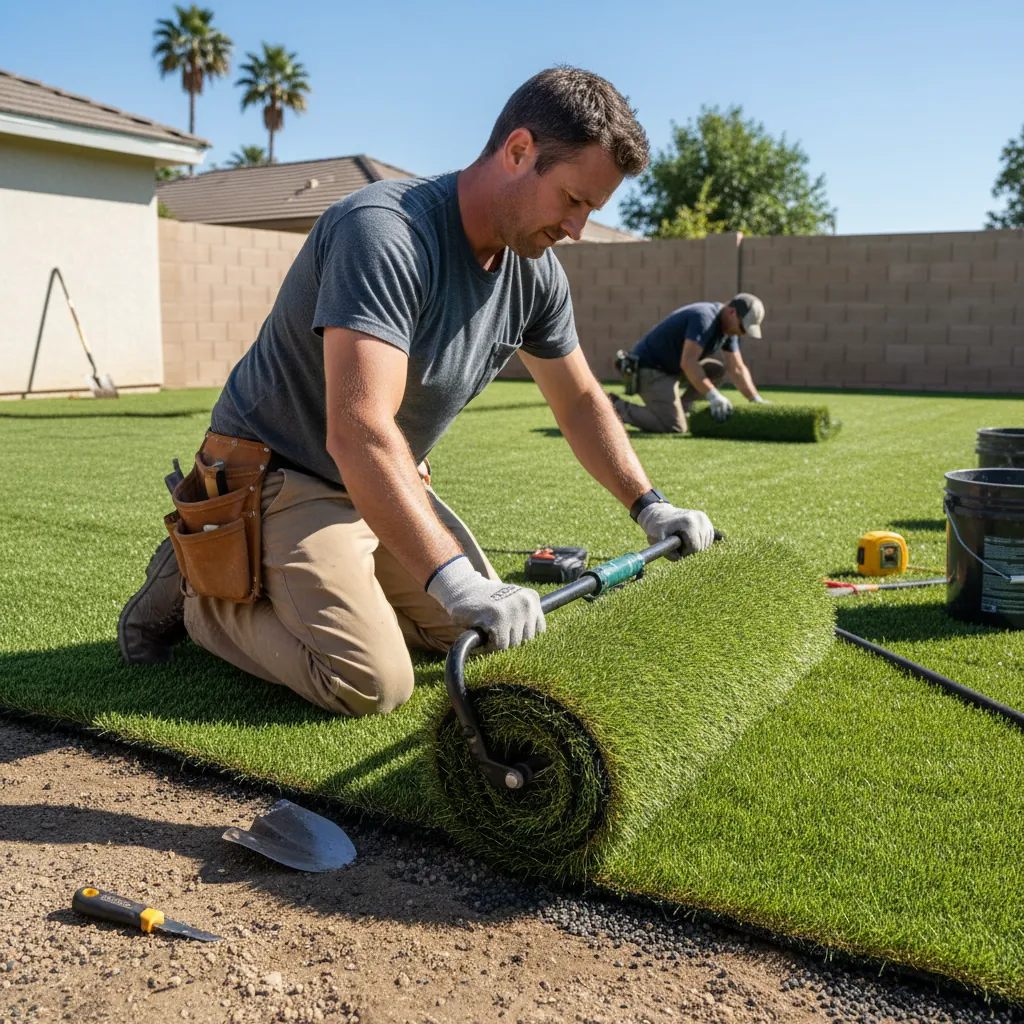
Site assessment and measurement of the lawn area, taking existing drainage patterns into account.
Excavation of existing sod and soil to a depth of 3 to 4 inches to accommodate the new base.
Capping or rerouting of existing sprinkler lines and adjusting local irrigation valves.
Installation of a heavy-duty weed barrier and a compacted aggregate sub-base for stability.
Laying, custom-cutting, and seaming the artificial turf with commercial-grade adhesive or turf nails.
Spreading and brushing in the chosen infill material to keep turf blades upright and natural-looking.
ContractorPro.Leads doesn't do the work itself. We pass your North Hills project to up to four local turf installers who take this kind of job, and you decide whether to hire any of them.
Whether you live in a classic mid-century ranch home off Devonshire Street or a newer development near Plummer Street, your yard is subjected to some of the highest summer temperatures in Los Angeles. Transitioning to synthetic grass allows you to enjoy a manicured lawn without the constant irrigation, especially for properties situated near the busy I-405 and I-5 corridors where dust and dry winds can make natural grass maintenance a daily chore.
Tell us what you have in mind. We'll pass it to up to four local pros, and they'll contact you to talk it through.
The alluvial and clay soils common near the northern Valley floor expand and contract with moisture changes. Local installers mitigate this by excavating deeper than usual and laying a robust, compacted aggregate base. This prevents the turf from shifting or buckling over time.
Generally, standard residential turf installations on flat ground do not require a building permit from LADBS. However, if your project involves significant retaining walls, major grading, or changes to drainage patterns that affect neighboring properties, a permit and inspection may be required.
Yes, LADWP offers turf replacement rebates, but you must apply and receive pre-approval before removing your lawn. The program has specific guidelines, such as incorporating climate-appropriate plants alongside the turf and ensuring the synthetic turf is permeable to rainwater.
Artificial turf does get warm in direct midday sun. To manage this, local pros recommend choosing turf with built-in cooling technology (like UV-reflective yarns) and using specialized infills like Durafill or ZeoFill, which don't retain heat as much as standard black rubber crumb.
For a standard-sized yard (around 500 to 1,000 square feet), the entire process usually takes 2 to 3 days. This includes the heavy work of excavating the clay soil, preparing the sub-base, and carefully securing and seaming the turf panels.
