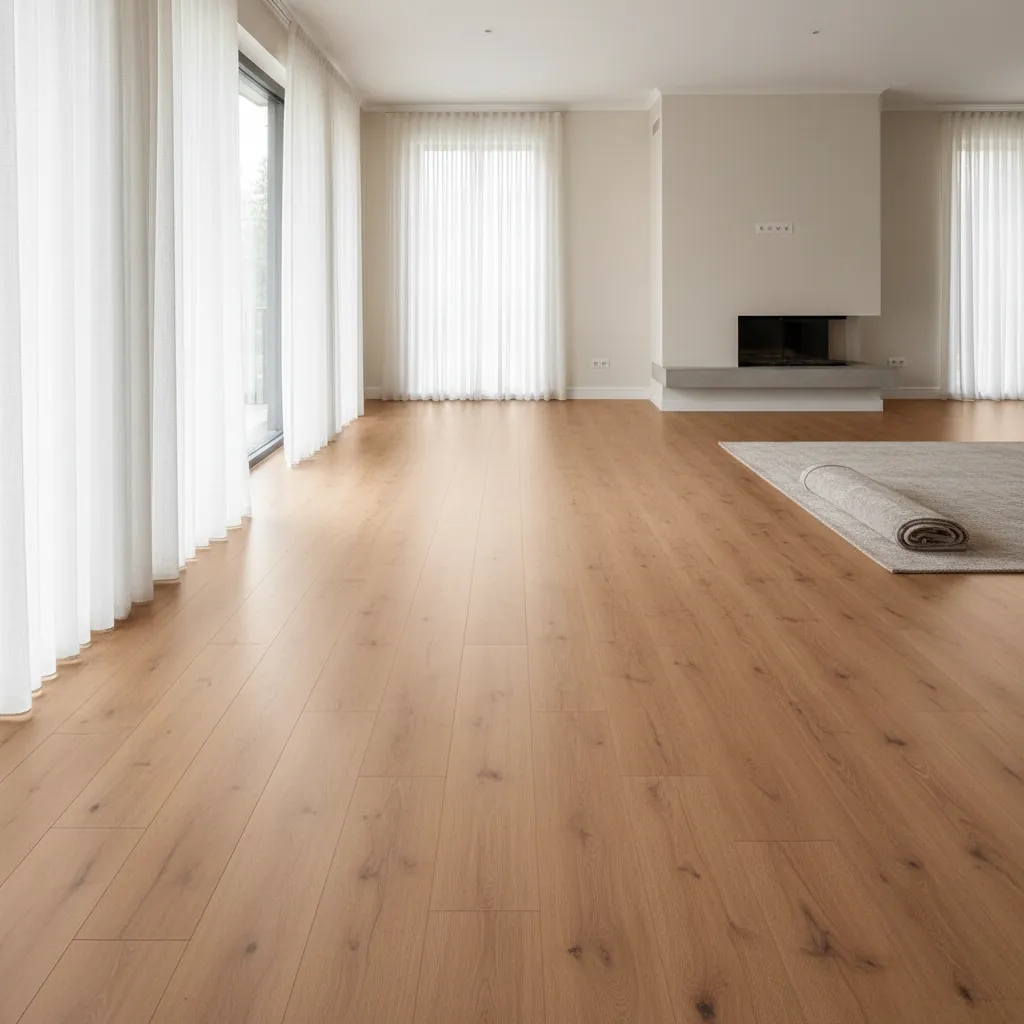
Upgrading the flooring in your North Hills home is a significant investment that enhances both comfort and property value in the heart of the San Fernando Valley. Whether you are updating a classic mid-century ranch home near Sepulveda Boulevard or modernizing a property closer to Devonshire Street, matching your material to the local climate is essential. We connect you with local flooring contractors who understand the unique structural demands of our neighborhood.
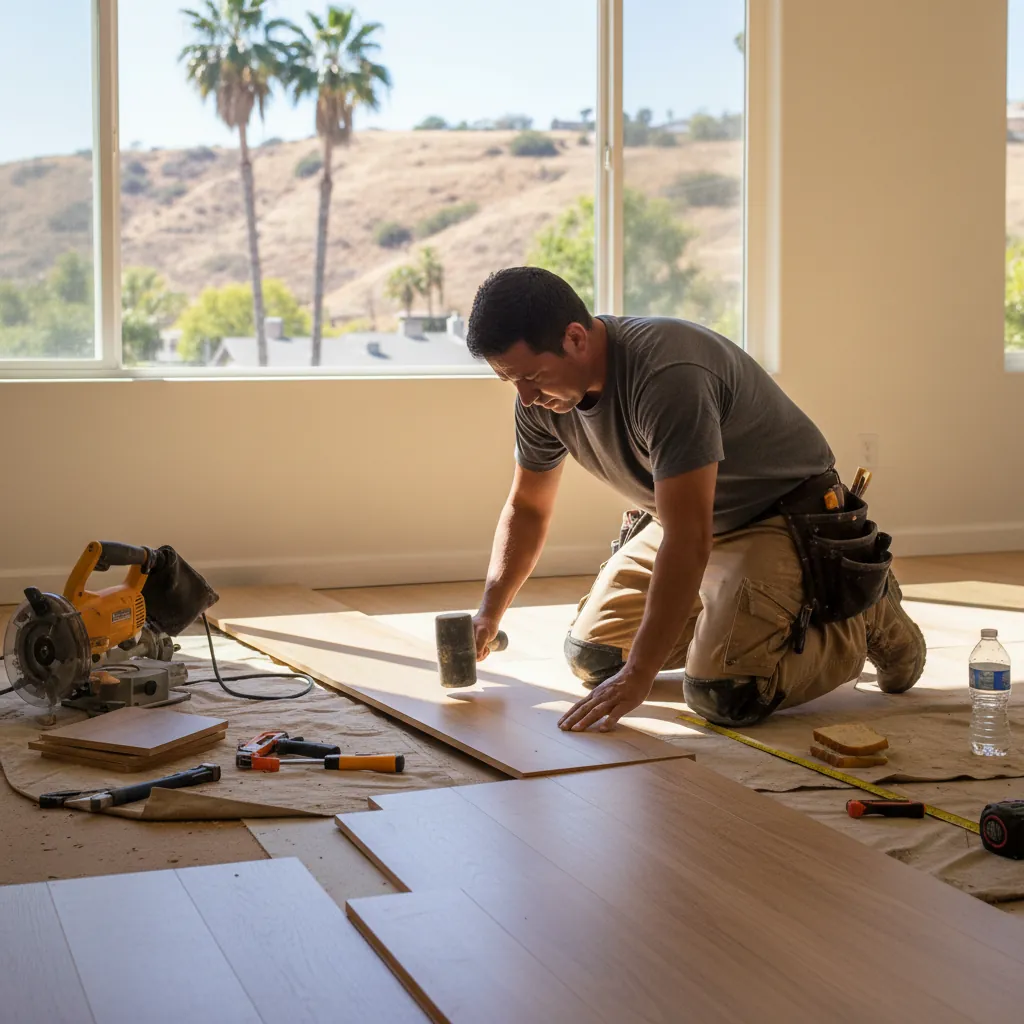
The flat northern Valley floor in North Hills features alluvial soils mixed with pockets of expansive clay, which can cause concrete slab foundations to shift and settle over time. When coupled with our extremely hot, dry summers, these foundation movements can telegraph through to your flooring, causing tiles to crack or laminate to buckle if not properly isolated. Local pros emphasize rigorous subfloor leveling and high-quality moisture barriers to protect your flooring investment from these subterranean shifts.
| Project | Typical range | What affects it locally |
|---|---|---|
| Luxury Vinyl Plank (LVP) | $7.00 - $12.00 per sq. ft. | A popular choice in North Hills for its durability and resistance to thermal expansion in high summer heat; price includes professional installation and basic subfloor prep. |
| Engineered Hardwood | $12.00 - $22.00 per sq. ft. | Provides the classic look of solid wood but with better dimensional stability over concrete slabs prone to minor foundation movement. |
| Porcelain or Ceramic Tile | $14.00 - $26.00 per sq. ft. | Excellent for keeping homes cool along the Sepulveda corridor, though shifting alluvial soils require specialized anti-fracture underlayments. |
Typical market ranges for the Greater Los Angeles area, not a quote or a guarantee. The price of your job depends on its scope, so ask each pro for a written estimate before you decide.
ContractorPro.Leads doesn't do the work itself. We match North Hills homeowners with local companies, and a company has to pass these checks before it can receive any request.
These checks show the records as they stood when we reviewed them. Before you sign anything, look up the license yourself at cslb.ca.gov and ask the company for a current insurance certificate.
Situated between the busy I-405 and I-5 corridors, North Hills properties—ranging from quiet residential streets off Plummer Street to active main thoroughfares—experience distinct interior temperature swings. The intense valley heat means many homeowners opt for materials that help keep interiors cool, like engineered hardwood, luxury vinyl plank (LVP), or porcelain tile. Local flooring specialists ensure that whichever material you choose is installed with the precise expansion gaps required to handle these seasonal temperature fluctuations.
All home services in North Hills
ZIP code we cover in North Hills: 91343 See every neighborhood we serve
Tell us what you have in mind. We'll pass it to up to four checked local pros, and they'll contact you to talk it through.
Tell us about your projectStandard cosmetic flooring replacements in single-family North Hills homes do not require a permit from LADBS. However, if you are performing structural repairs to the subfloor or installing under-floor radiant heating, a permit may be required.
Our hot, dry summers can draw moisture out of wood, causing it to shrink, while winter rains can cause expansion. Local installers prevent warping by leaving precise expansion gaps around the perimeter and acclimating the wood to your home’s climate beforehand.
North Hills is built on alluvial Valley soil with pockets of expansive clay. As the soil shifts, concrete slabs can develop minor cracks and unevenness, which must be patched and leveled so your new flooring doesn't sag, squeak, or split.
While LADWP does not offer direct rebates for flooring materials, selecting cool tile or well-insulated underlayments can significantly lower your air conditioning load during summer heatwaves, complementing your overall home efficiency.
Most projects take between 2 to 5 days. This timeline includes pulling up old materials, prepping the subfloor (which may require drying time for leveling compounds), and laying the new floors.
