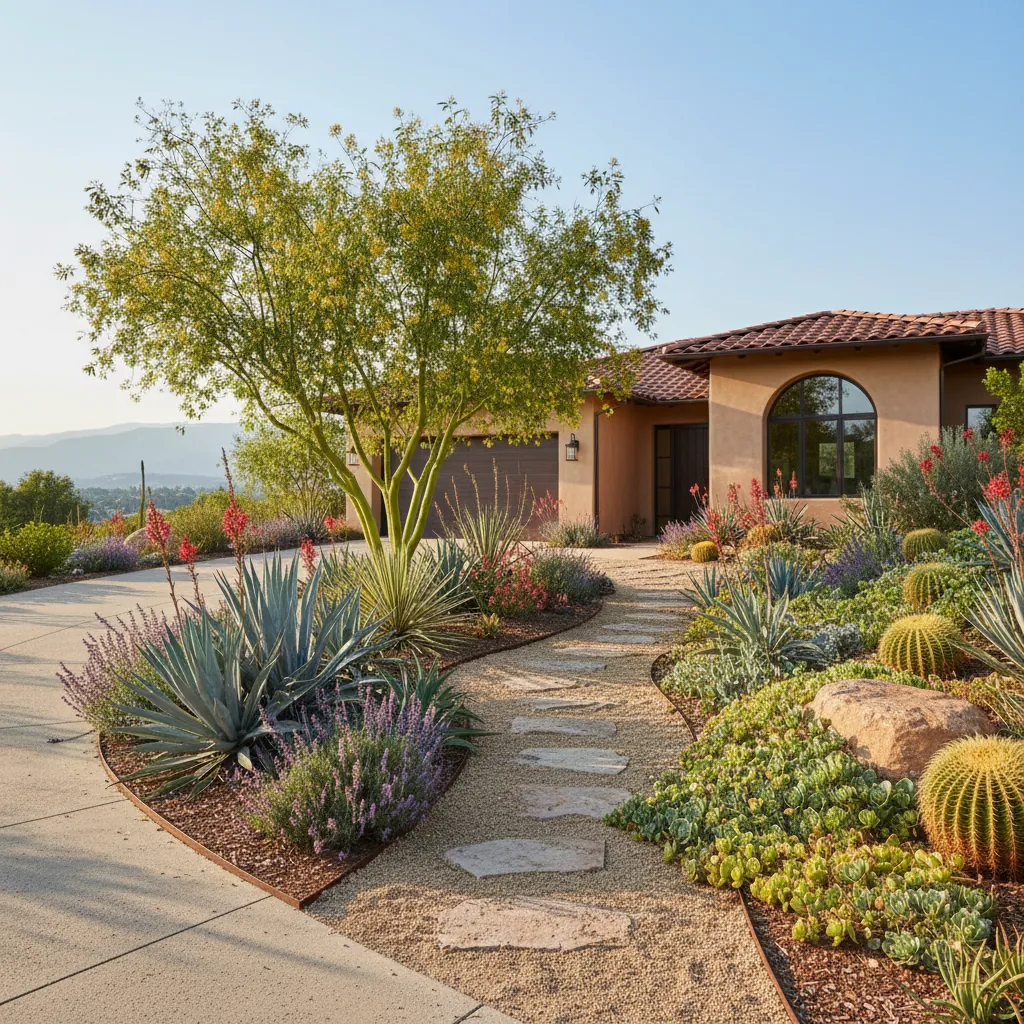
Typical North Hills costs, permit steps and timelines are below. When you are ready, describe your project and up to four local landscapers serving North Hills will contact you. You compare and decide.
Managing a vibrant outdoor space in the heart of the San Fernando Valley requires a deep understanding of our unique climate and soil conditions. We connect you with experienced, independent landscaping contractors who specialize in transforming North Hills properties into drought-resilient, beautiful retreats. Whether you want to reduce your water footprint or design a functional backyard oasis, we make finding local professionals straightforward and stress-free.
Yards in North Hills face the twin pressures of scorching San Fernando Valley summers and the strict watering restrictions set by the LADWP.
Underneath the surface, the flat northern Valley floor contains alluvial soils mixed with pockets of stubborn, expansive clay that can warp hardscaping and drown root systems if not graded correctly. Successfully landscaping in the 91343 area means selecting heat-tolerant plantings and engineering drainage that respects our specific soil dynamics and local water-use guidelines.
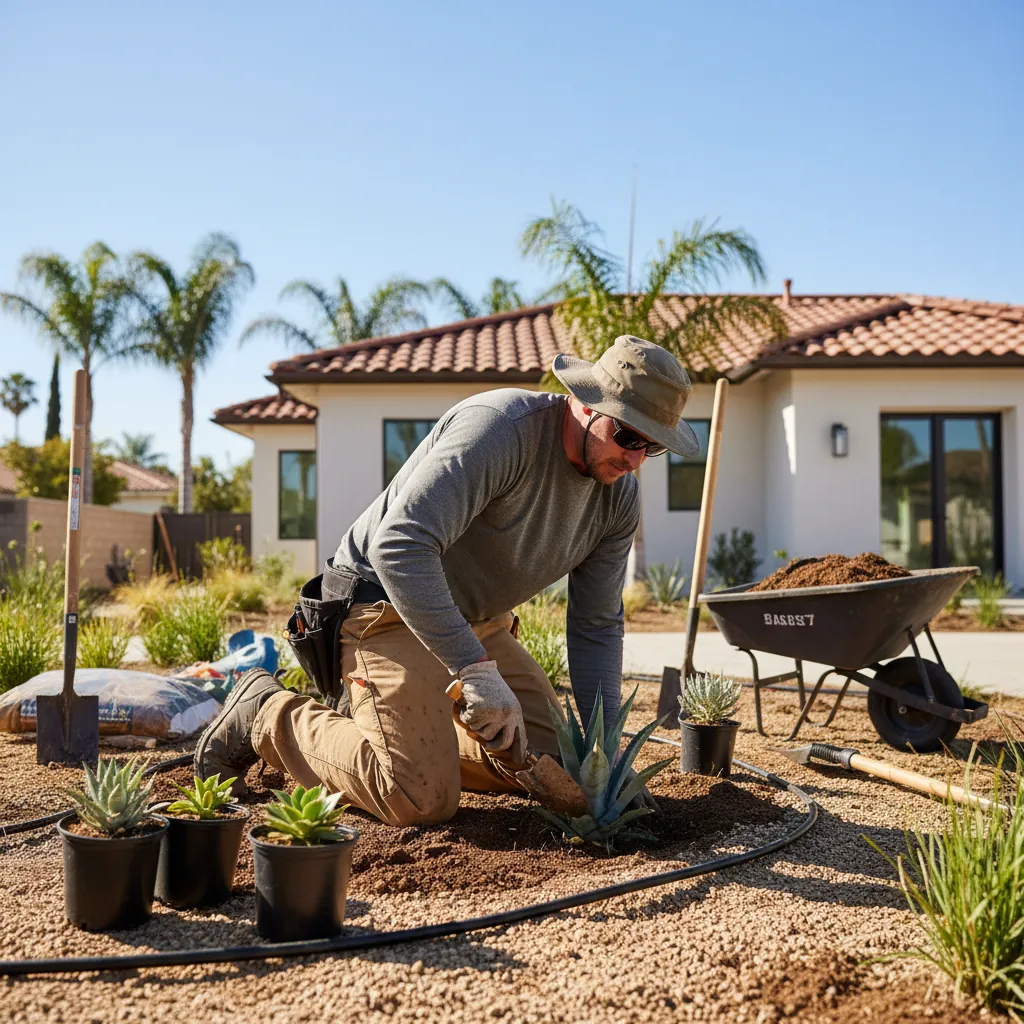
Often offset by LADWP turf rebates; price depends on square footage and plant maturity selected.
Critical for flat North Hills lots with clay pockets to prevent pooling and ensure plant health.
Configured to comply with City of Los Angeles summer watering restrictions and maximize efficiency.
Varies based on hardscaping elements, mature trees, and outdoor living features selected.
Typical market ranges for the Greater Los Angeles area, not a quote or a guarantee. The price of your job depends on its scope, so ask each pro for a written estimate before you decide. Bars share one scale, so you can compare project sizes.
Comprehensive site analysis to test for expansive clay pockets and evaluate sun exposure patterns
Custom landscape design tailored to local microclimates and LADWP water efficiency standards
Soil grading and drainage planning to protect home foundation slabs on flat terrain
Installation of smart drip irrigation systems and soil-moisture sensors
Planting native, drought-hardy flora and applying a protective organic mulch layer
ContractorPro.Leads doesn't do the work itself. We pass your North Hills project to up to four local landscapers who take this kind of job, and you decide whether to hire any of them.
From mid-century ranch homes near Plummer Street to busier residential properties lining Devonshire Street and Sepulveda Boulevard, the flat properties of North Hills offer generous lot sizes perfect for creative landscaping. Our close proximity to the sun-drenched I-405 and I-5 corridors means yards get intense exposure, demanding careful canopy planning to provide natural shade and lower household cooling costs. Local landscaping professionals know exactly how to balance this valley floor climate with beautiful, heat-hardy designs.
Tell us what you have in mind. We'll pass it to up to four local pros, and they'll contact you to talk it through.
For typical softscaping, plantings, and low-flow irrigation, permits are generally not required. However, the Los Angeles Department of Building and Safety (LADBS) requires permits for retaining walls over 4 feet, major grading on our flat valley lots, or new accessory backyard structures.
LADWP currently offers rebates per square foot for replacing grass with drought-tolerant landscaping. Local pros can help you design a space that meets their exact requirements—such as incorporating organic mulch, permeable pathways, and native plants—to help secure your rebate.
California natives and Mediterranean-climate plants do exceptionally well here. Toyon, California Lilac, Cleveland Sage, and Agave thrive in our hot San Fernando Valley sun and easily tolerate dry summers once established.
Contractors typically aerate the soil and till in generous amounts of organic compost to break up the tight clay particles. This improves water penetration and aeration, ensuring that your new plantings do not drown during heavy winter rains.
Late fall and early winter are ideal for planting. Installing new landscapes during these cooler months allows root systems to establish before the intense summer heat of the valley floor arrives, significantly reducing early-stage watering needs.
