Your request goes to up to four local pros serving Hancock Park. Before any of them can receive it, we check their license where the work requires one, their business address.
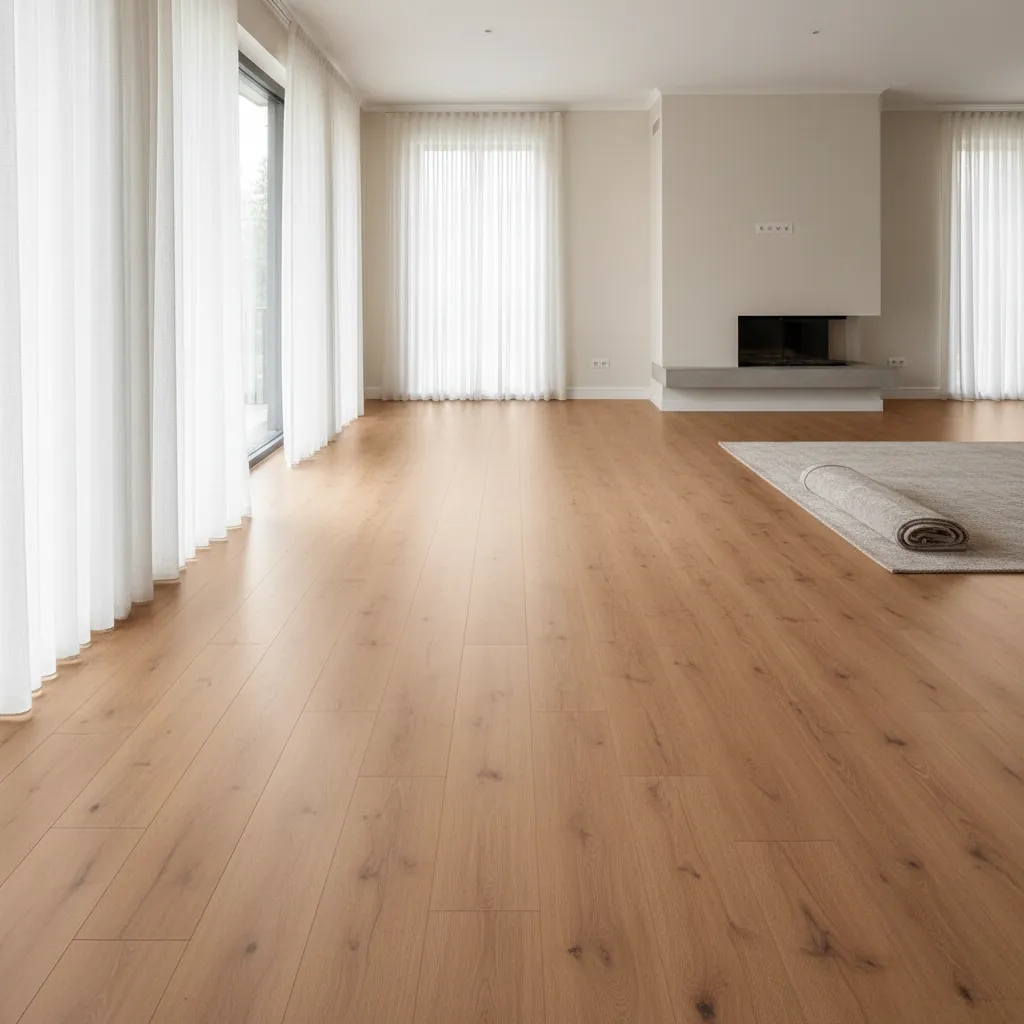
Preserving the timeless character of Hancock Park’s historic residences requires flooring professionals who understand classical architecture. Whether you are restoring original 1920s oak planks or installing modern engineered hardwood, we connect you with experienced local contractors who respect your home’s heritage. From grand estates near the Wilshire Country Club to charming residences near Larchmont Village, find dedicated specialists for your next project.
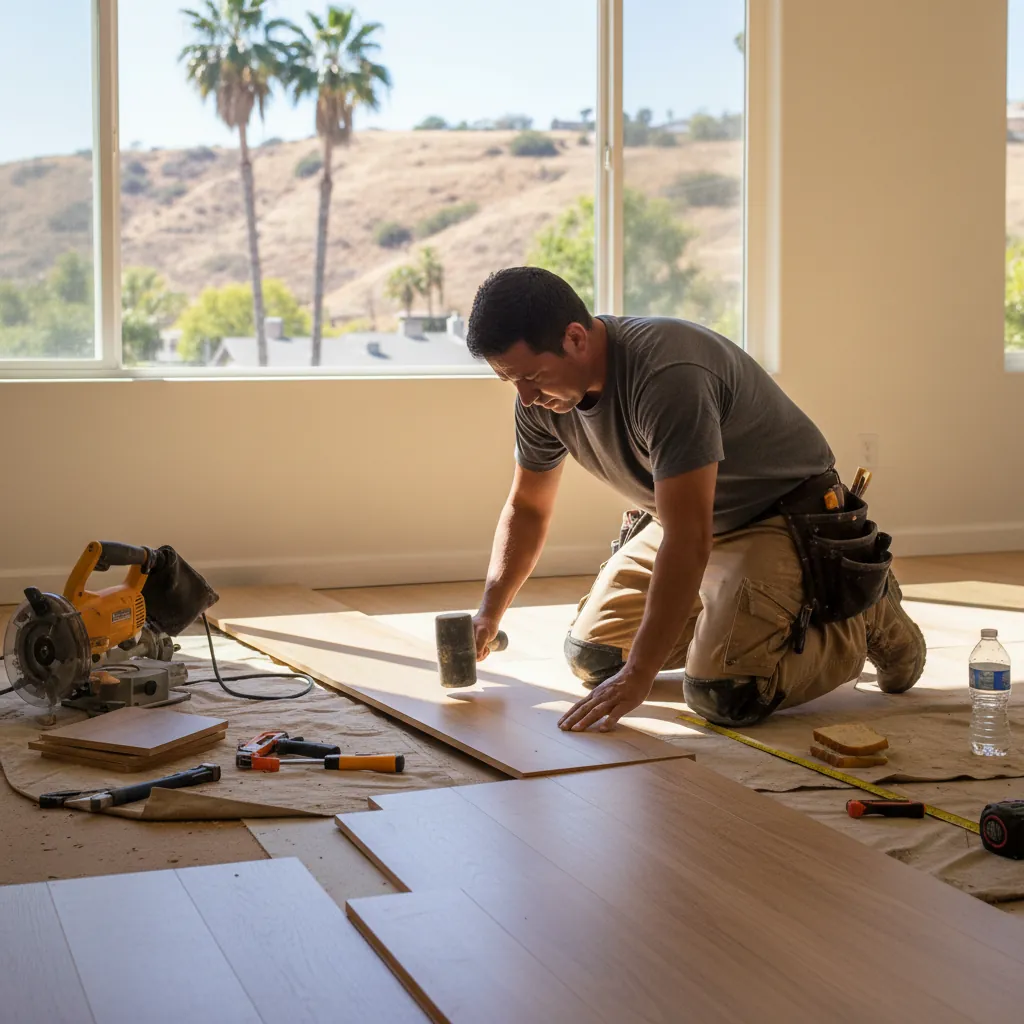
Hancock Park’s flat basin soils and original 1920s raised foundations present unique challenges for wood flooring. Soil shifts and seasonal moisture rising from crawlspaces can cause subfloor movement, leading to warping or cupping in historic hardwood if not properly mitigated. Local flooring professionals must carefully assess subfloor stability and moisture levels to ensure new installations or restorations endure the mild Mid-City climate.
| Project | Typical range | What affects it locally |
|---|---|---|
| Solid Hardwood Restoration (Refinishing) | $6 - $12 per sq. ft. | Driven by the condition of historic 1920s wood and the complexity of matching original oil-based or water-based finishes. |
| New Hardwood Installation (Materials + Labor) | $14 - $28 per sq. ft. | Varies by wood species (e.g., white oak, walnut) and the extensive subfloor leveling often required on older raised foundations. |
| Engineered Wood Installation | $10 - $20 per sq. ft. | A popular choice for its dimensional stability over crawlspaces, with costs depending on wear layer thickness and plank width. |
| Subfloor Repair & Leveling | $3 - $8 per sq. ft. | Essential in Hancock Park basin homes to correct sagging or uneven joists before laying new flooring. |
Typical market ranges for the Greater Los Angeles area, not a quote or a guarantee. The price of your job depends on its scope, so ask each pro for a written estimate before you decide.
ContractorPro.Leads doesn't do the work itself. We match Hancock Park homeowners with local companies, and a company has to pass these checks before it can receive any request.
These checks show the records as they stood when we reviewed them. Before you sign anything, look up the license yourself at cslb.ca.gov and ask the company for a current insurance certificate.
Strolling down Rossmore Avenue or past the manicured fairways of the Wilshire Country Club reveals some of Los Angeles’ most treasured period-revival architecture. These homes demand an eye for detail, matching original grain patterns and historic inlay borders. Whether you are updating a classic Spanish Colonial or refreshing a Tudor estate near Larchmont Village, matching the neighborhood’s elegant aesthetic requires precision craftsmanship.
All home services in Hancock Park
ZIP code we cover in Hancock Park: 90004 See every neighborhood we serve
Tell us what you have in mind. We'll pass it to up to four checked local pros, and they'll contact you to talk it through.
Tell us about your projectSimple aesthetic flooring replacements do not typically require a permit. However, if your project involves structural repairs to the joists or subfloor of your Hancock Park home, your contractor must file for a permit with LADBS.
The flat basin soils can retain moisture, which often migrates into the crawlspaces of original 1920s raised foundations. Without adequate subfloor moisture barriers, this humidity can cause wood floors to cup, crown, or buckle.
Yes, but they require extreme care. Original top-nail floors are often only 5/16-inch thick, meaning they can only endure a few light sandings. A specialist experienced in historic Hancock Park homes should evaluate the remaining wear layer first.
Both perform beautifully if installed correctly. Engineered hardwood offers superior dimensional stability against the fluctuating humidity from crawlspaces, while solid hardwood allows for multiple sandings to preserve your home’s long-term historic value.
Because of our proximity to coastal breezes and mild Mid-City climate, wood should acclimate in the home for 5 to 7 days with the HVAC system running at normal living conditions before installation begins.
